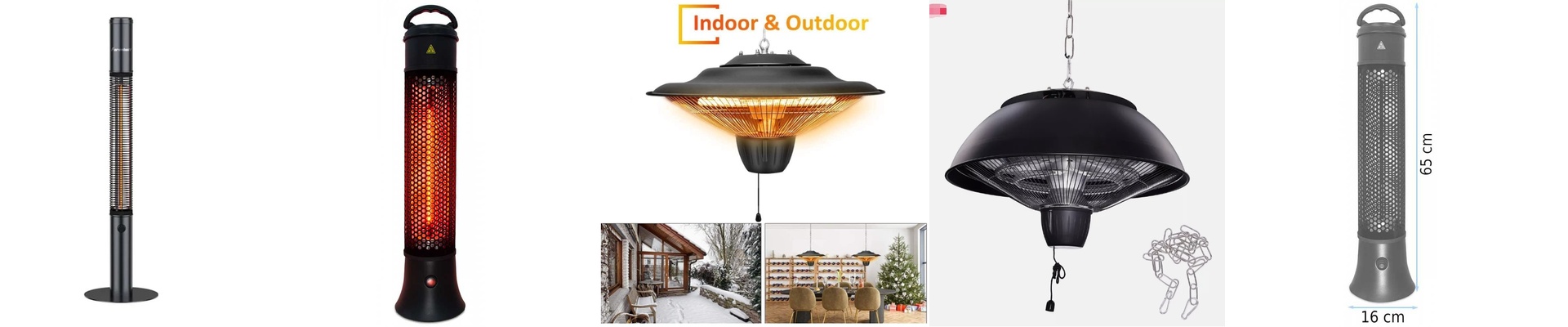
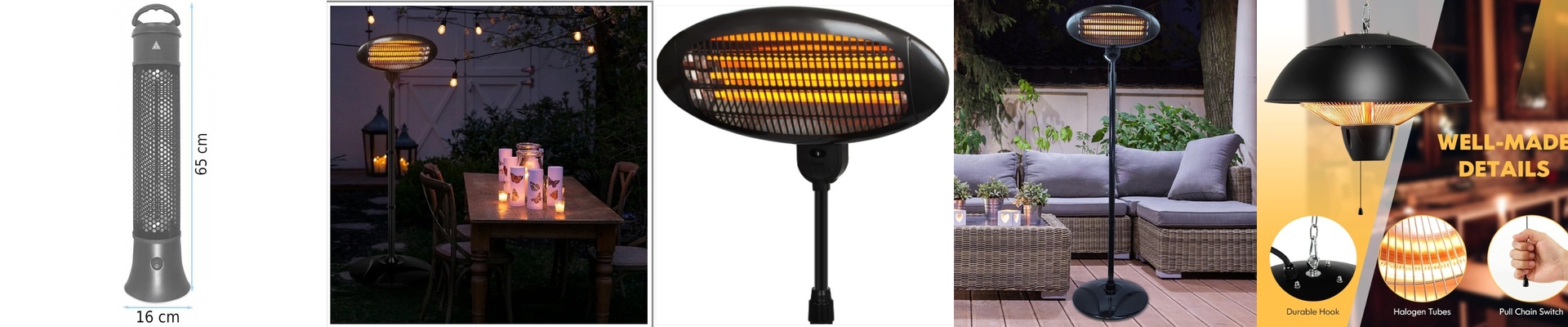
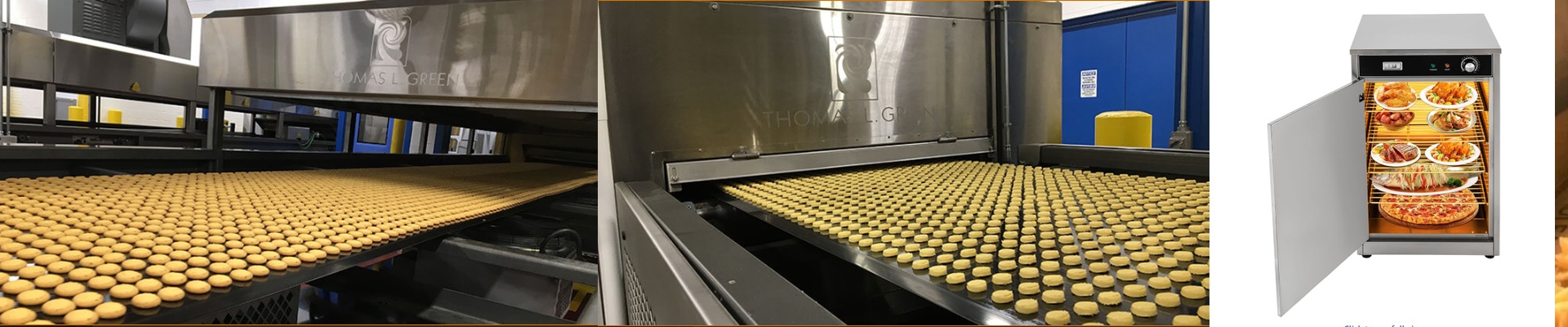
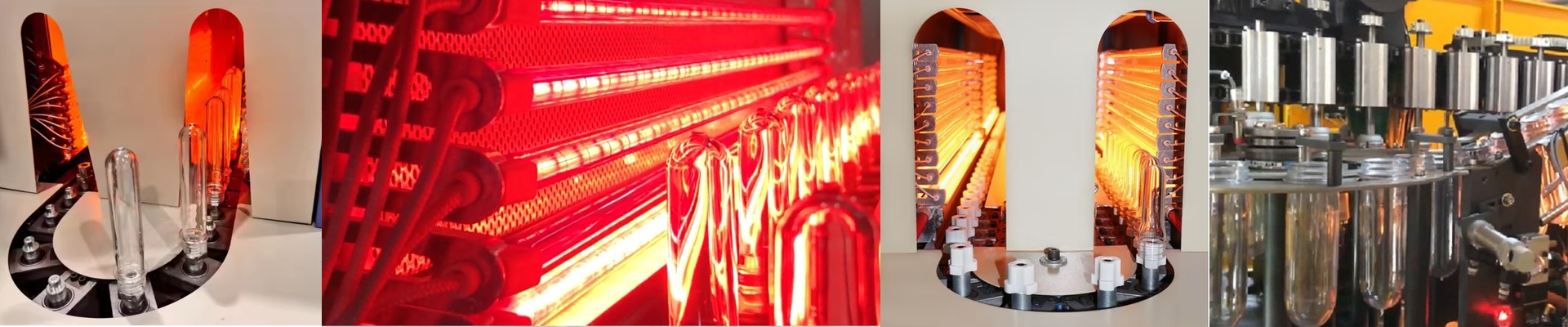
How to actually pick a replacement lamp for your food warmer
When it comes to replacing the lamps in those imported hot dog warmers, you usually end up with two bad options. You either pay a ridiculous markup for the “official” brand-name tubes, or you buy the dirt-cheap generics that pop the second you plug them in. The trick to finding something that actually works—and lasts—isn’t just about finding a tube that fits the length. You have to look at the physics of the thing. Watch your voltage and wattage Here is the thing: most of these rapid-heating warmers use shortwave quartz lamps. If you accidentally swap a 230V tube for a 110V one without messing with the transformer, you’re going to blow the filament instantly. And don’t just chase higher wattage because it sounds “better.” Sure, more wattage means faster heat, but it also puts a lot more stress on your socket. If your wiring isn’t up for the task, you might end up melting the housing. Not a great look. Why quartz and halogen matter We use high-purity quartz glass because it can handle the shock of being turned on and off all day. Then there’s the halogen gas. It basically pushes the evaporated tungsten back onto the filament so the tube doesn’t turn black and lose its punch. If you go with a non-halogen quartz tube, you’ll notice the heat dropping off after a few hundred hours. It’s just not worth the “savings.” The fit has to be perfect Check your connectors. Whether it’s an R7s or a push-in clip, it needs to be a dead match. If the fit is loose, you get arcing. That little spark burns the contacts and kills the lamp. Also, get a ruler. Even a 2mm difference can keep the tube from seating right, which means your food gets hot in some spots and stays cold in others. The trade-off Those high-intensity emitters hit the target fast. It’s great for the food, but it sends a lot of heat toward the machine’s chassis. If you decide to go with a higher-wattage replacement to speed things up, do yourself a favor and clean your reflectors first. Dirty reflectors trap heat, and that’s how you end up with warped plastic trim.