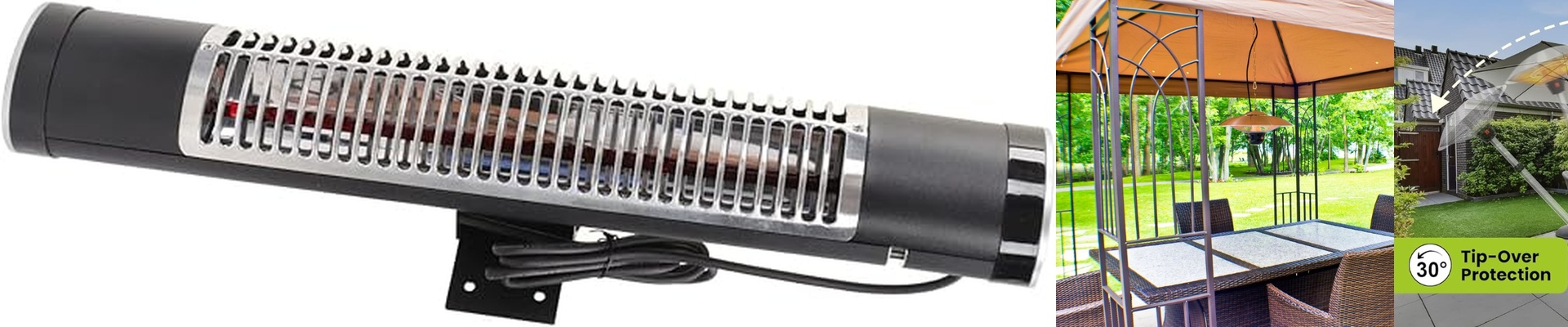
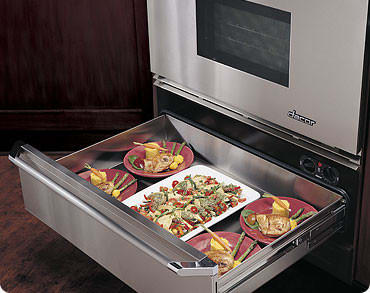
When the rush hits, your deck oven can’t afford slow recovery or uneven heat. Stone hearths and deck surfaces have to snap back to temperature after every bake, and they need to hold steady so every crust sets clean. That’s where a sterilizing IR emitter earns its keep.
What matters, technically
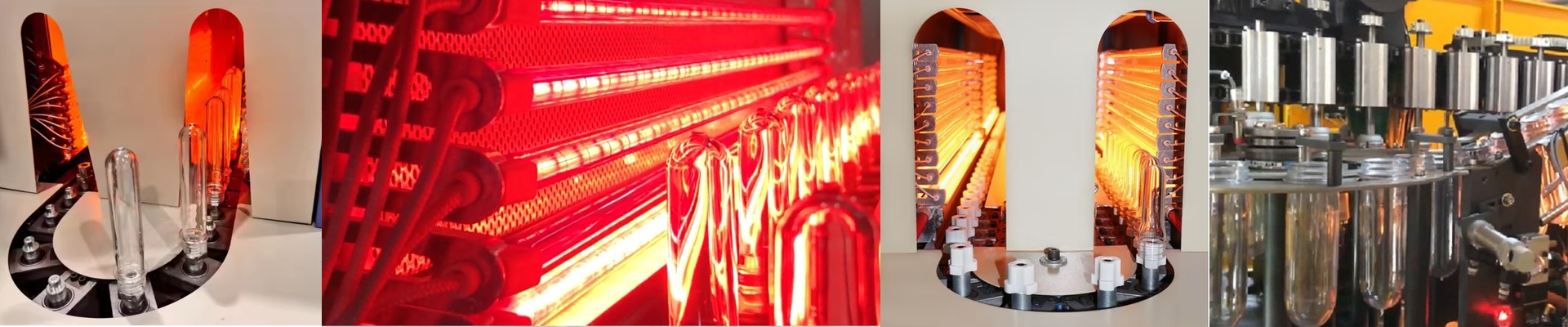
Infrared heat is direct radiation, not just hot air. The emitter hits full output almost instantly, so the deck gets back to setpoint faster between pizzas and bread loads. Precise control comes from a tight thermostat response and stable radiant output, so the stone surface doesn’t overshoot and then chase temperature. The payoff is uniform heat across the deck face—no hot and cold spots that force you to rotate trays or babysit the bake.
Why it works in a deck oven
Deck ovens live and die on repeatability. When the deck holds steady, crusts set clean, caramelization lands where you expect, and hot spots don’t punish you during peak service. Faster recovery shortens the gap between bakes, so you move more trays without cranking the gas or pushing the oven into overshoot. You’re not wasting energy heating air that bleeds away—you’re heating the mass that actually bakes the food. Fewer temperature swings also mean fewer scrapped pans and less guesswork at the pass.
Things to know
Installation is straightforward, but match the emitter to your deck oven’s voltage, mounting clearances, and terminal block. Confirm the required distance from the emitter to the deck surface. Too close and you risk localized overheating. Too far and you lose output. Plan for a clean power supply and a dedicated circuit—voltage dips will shorten element life. In very dry environments, keep the terminals clean and protected to maintain long-term reliability.