Getting Your Rotary Oven Temps Right
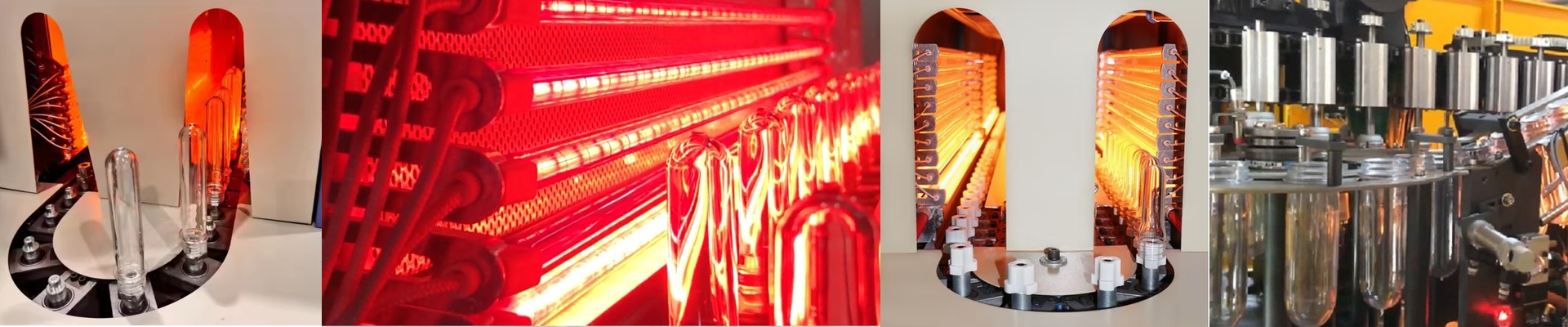
Ever deal with those annoying cold spots in a rotary oven? Or worse, that sudden spike in heat that ruins a whole batch of product? It’s frustrating. When we build our circular heating bulbs, we’re basically fighting a battle against physics. The goal is simple: keep the temperature steady. No swings, no surprises. We do that by obsessing over the wattage density and how fast the quartz envelope reacts to heat.
The Balance of Power
It’s a bit of a tightrope walk. You want high wattage because it gets the oven up to temp fast. But if you cram too much power into a tiny space, you’ll burn out the filament way too quickly. Nobody wants to be replacing bulbs every other week. We tune our bulbs to hit that sweet spot. They match the standards of the big international brands, meaning the heat is spread evenly across the whole circle. As your product rotates, it hits a consistent wall of heat rather than jumping from “too cold” to “too hot.”
The Little Things That Matter
We use high-purity quartz glass. Why? Because it lets the infrared heat through without blocking it. Then there’s the connection. Whether you’re using an R7s or a custom spring-loaded contact, it has to be rock solid. Rotary ovens vibrate. A lot. If the connection is loose, you get electrical arcs, voltage drops, and patchy heating. We keep the tolerances tight so the bulb actually stays put.
A Quick Heads-Up
Here’s the thing: a great bulb can only do so much if the rest of the setup is lagging. These high-precision bulbs put a lot of pressure on your PID controllers. If your sensors are in the wrong spot or your wiring is too thin, you’re still going to see those temperature oscillations. To really feel the difference, make sure your control loop is tuned to the actual mass of your oven. And for heaven’s sake, check your venting. If the housing can’t breathe, it’ll overheat, and that defeats the whole purpose.