Keeping Your Steam Ovens Steady with IR Emitters
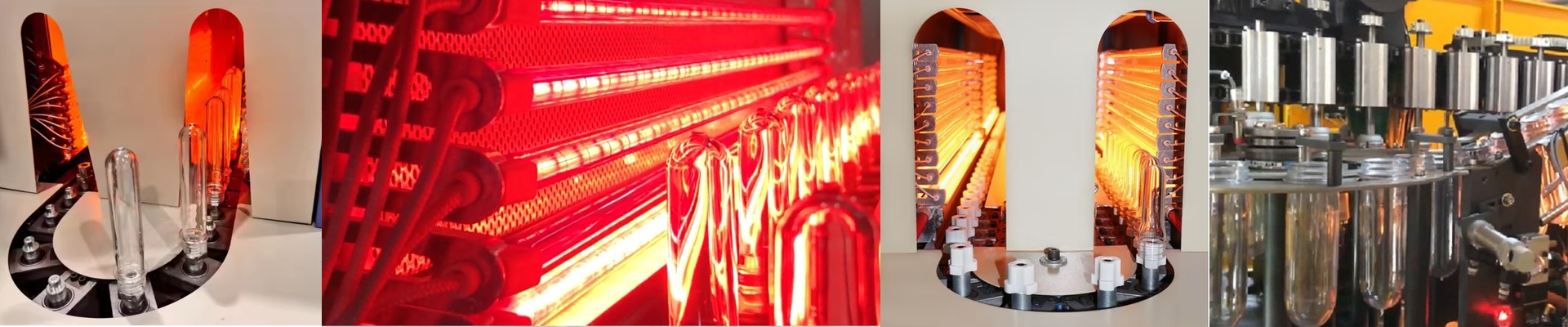
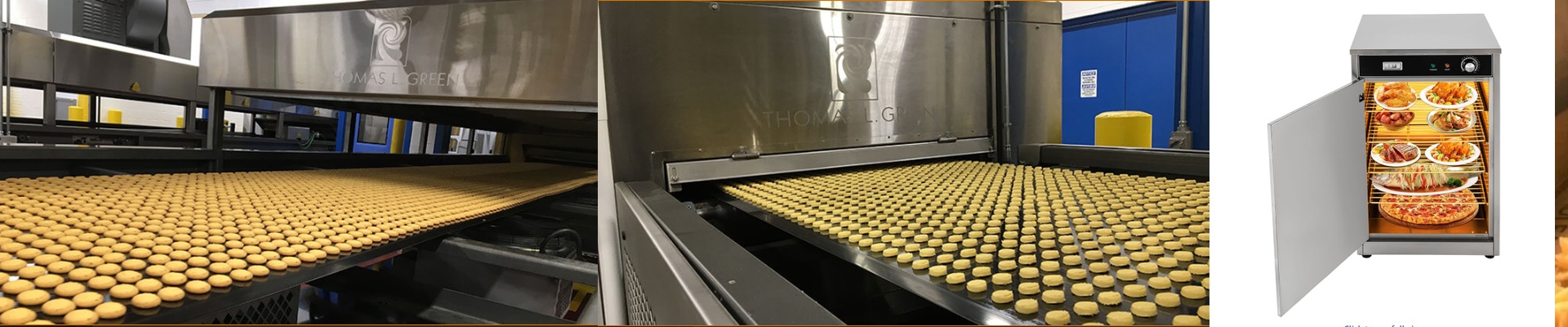
Let’s be honest: steam bakery ovens are brutal. Between the thick humidity and the constant temperature jumps, it’s a nightmare for most heating elements. They just can’t keep up. That’s where a 1000W infrared (IR) emitter comes in. Instead of fighting the steam, it just pushes direct radiant heat straight to the food. Why 1000W? It’s all about speed. We went with 1000W because you can’t afford to wait around for the oven to “warm up.” Standard convection heating tries to warm the air first. But IR? It hits the surface of the bread immediately. This is the secret to avoiding that dreaded soggy crust when the steam is cranking. You get a crisp, consistent sear right away. It’s fast. Really fast. Built for the Steam You can’t just use any glass here. We use high-purity quartz because it handles thermal shock. In plain English: when a blast of steam hits a red-hot lamp, the quartz doesn’t crack. Inside, we use a halogen-filled tungsten filament. This stops the material from evaporating too quickly, so your lamps don’t burn out every few weeks. One quick tip: check your wiring. If your sockets are loose or eaten away by corrosion from the moisture, you’ll get voltage drops. That means some parts of your rack will be scorching while others are barely warm. Getting it Right These emitters are easy to swap into most industrial setups. They don’t take up much space, but they pack a punch. But here’s the thing: IR heat is directional. It’s like a flashlight. If you point them the wrong way, you’ll end up with “hot spots” on your loaves. You want to align the lamps so their heat patterns overlap. And a word of caution: quartz is tough, but it’s not invincible. If you let grease or sugar build up on the glass, it bakes on. That creates a hotspot that will eventually pop the tube. Keep the glass clean, and your emitters will last a whole lot longer.