Finding the Right Replacement Lamps for Your Deck Oven
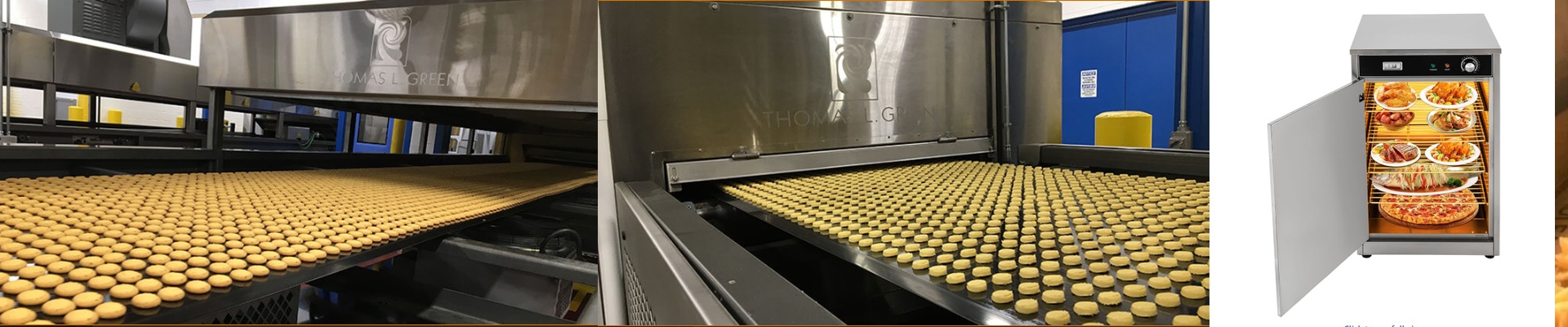
Let’s be honest: OEM lamps for deck ovens are getting ridiculously expensive. When you’re running a kitchen, those costs add up fast. The good news is you don’t have to stick with the brand-name bulbs. You can find high-performance alternatives that do the job just as well without draining your bank account. But you can’t just grab any bulb off the shelf. Here is what you actually need to look for. The Power Stuff First things first: your wattage and voltage have to be a perfect match. If you plug a 230V lamp into a 400V circuit, it’s going to pop almost instantly. Not a great way to start your morning. On the flip side, if the voltage is too low, your heat will be weak and your bakes will come out uneven. Now, high-wattage tubes are great for getting that perfect, quick sear on a crust, but they push your contactors harder. Just keep an eye on your current draw before you make the switch. Quartz and Halogen (The “Science” Part) You want high-purity quartz glass. Why? Because it can handle the shock of heating up and cooling down rapidly without cracking. Inside, the halogen gas does the heavy lifting. It stops the tungsten filament from evaporating and gunking up the glass. This keeps the tube clear so the infrared heat actually hits your dough. One thing to watch out for: coatings. Some tubes have a special layer that changes how the heat penetrates. If you swap a coated tube for a clear one, don’t be surprised if your bake times shift. You’ll probably need to tweak your timer. The Fit Most of these ovens use R7s or SK15 spring-loaded sockets. This is where it gets picky. If the lamp is off by even 2mm, it won’t sit right. A loose connection is a nightmare. It creates an arc—basically a tiny lightning bolt—that can melt your socket and kill the lamp. Grab a ruler and measure the distance between the center of the electrodes. Double-check it. Then check it again. The Real Trade-off Here is the catch. The cheaper bulbs usually don’t last as long. An OEM bulb might go for 10,000 hours, while a budget version might tap out at 6,000. You’ll save money upfront, but you’ll be climbing into that oven to swap bulbs more often. It’s all about how you balance the cost of the part against the headache of the downtime.