Stop Fighting Your SIPA Rotary Machine’s Heat
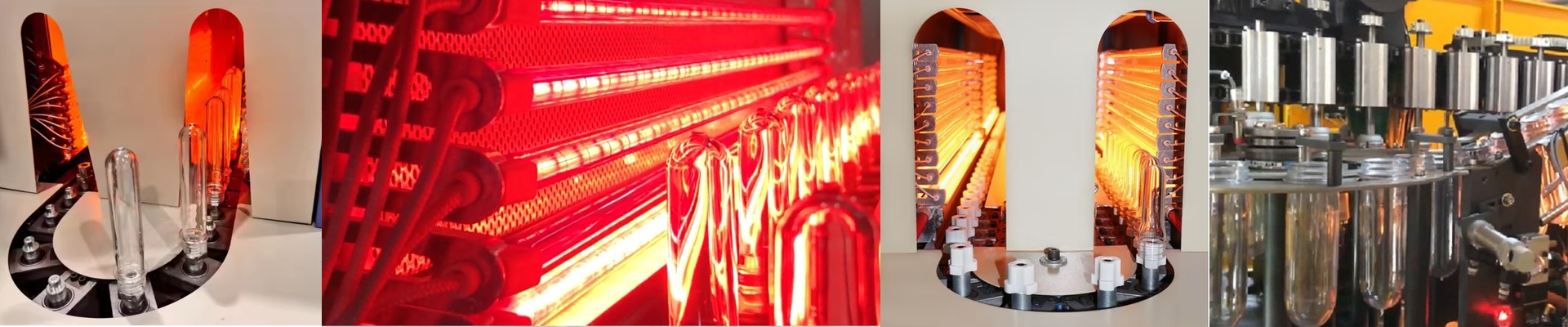
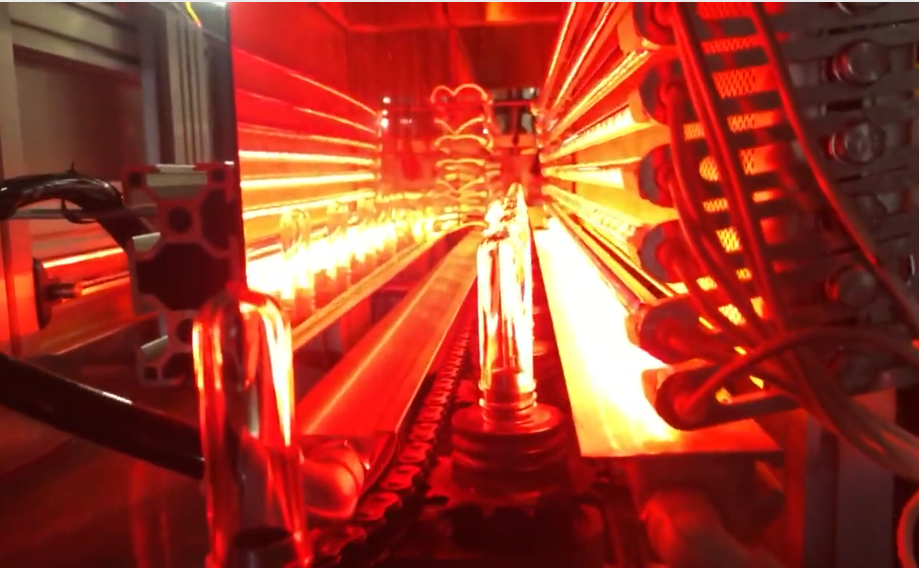
If your PET preforms aren’t heating evenly, your wall thickness is going to be all over the place. It’s that simple. The biggest headache usually comes from mixing and matching different brands of IR lamps or using tubes where the wattage is drifting. You end up with cold spots. Then you get uneven stretching, a pile of rejected bottles, and a lot of wasted time. The trick is power matching. On a SIPA rotary system, everything has to line up. If your machine is set for a specific voltage and wattage, but you throw in a lamp that’s off by even 5%, the infrared wavelength shifts. The intensity changes. We build our replacements to mirror the original OEM footprint and electrical load exactly. Why? Because it stops your PID controller from fighting a losing battle against inconsistent heat. It just works. The nitty-gritty on the build We use heavy-wall quartz glass because these things take a beating from rapid thermal cycling. You’ll see R7s or SK15 connectors on these. They aren’t just there for the fit—they’re built to handle high current without melting your contact points into a mess. We also make sure the filament is centered perfectly. If it’s off, the radiation pattern misses the preform, and you’re back to square one with cold spots. Real talk from the shop floor These are true drop-in replacements. You pull the burnt-out tube, slide these in, wire them up, and you’re back in business. But here is a heads-up: high-wattage shortwave lamps get incredibly hot. If you’re cranking the power to max out your cycle speed, you’ve got to keep your oven ventilation clear. If debris blocks the airflow, the housing overheats and your filaments will burn out way faster than they should. And do yourself a favor:**keep your reflectors polished.**A dirty reflector can waste 20% of your heat. That forces the lamp to run hotter than it needs to, which just kills the lifespan of the part.