Getting a Perfect Bake: The Secret to No More Cold Spots in Rotary Pizza Ovens
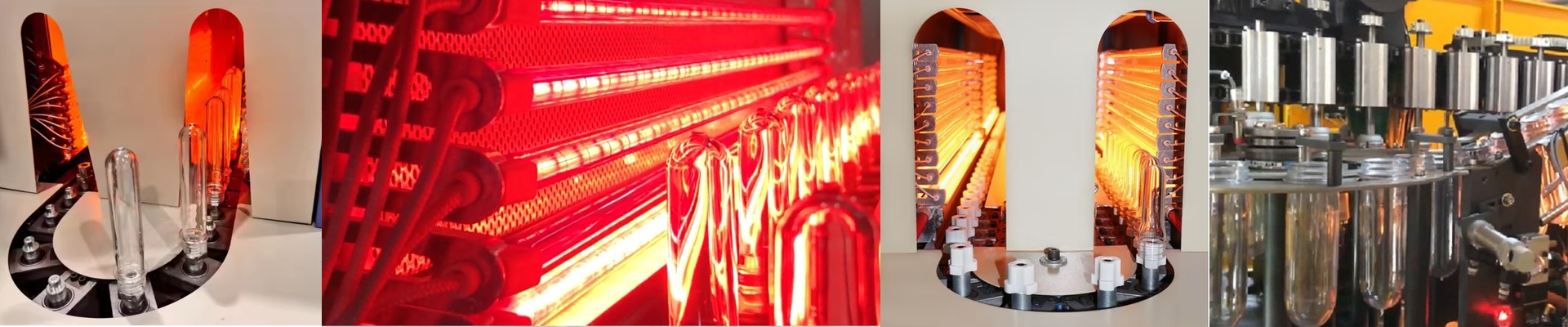
Anyone who’s run a pizza line knows the nightmare of the “cold spot.” You pull a pie out, and one side is gorgeous and charred while the other is… well, kind of sad. In a rotary oven, the pizza is always moving, which makes standard convection heat a bit of a gamble. That’s why we use short-wave infrared (IR) lamps. Instead of wasting time heating up the air and hoping it reaches the dough, these lamps beam energy straight into the toppings and the crust. It’s direct. It’s fast. Making the heat hit every angle To get that perfectly even brown across the whole pie, we don’t just throw one heater in there. We set up a grid of IR lamps—either in a radial pattern or overhead. As the oven floor spins, your pizza basically swims through these high-intensity heat zones. Because the radiation hits the surface so quickly, it doesn’t matter where the pizza is sitting on the stone. You get the same crisp regardless of the position. The gear that makes it happen We usually stick with tungsten filaments inside quartz-glass envelopes. Why quartz? Because it can handle the “thermal shock.” You can crank the heat up and down rapidly and the glass won’t just crack under the pressure. But here’s a pro tip: the coating actually changes the result. Clear quartz is raw and intense. It’s powerful. But if you find your crust is burning to a crisp before the cheese even starts to bubble, we swap in a coated element. This shifts the heat spectrum to give you a more balanced melt. Also, don’t cheap out on the sockets. If you use low-grade connectors, they’ll melt, you’ll get a short, and your day is ruined. The trade-offs you should know about The best part about high-wattage IR lamps is that they’re instant. You can skip those grueling, hour-long pre-heating cycles and get moving. But there’s a catch. All that intense heat puts a lot of stress on the oven chassis. If your insulation isn’t top-notch, the machine takes a beating. Plus, you’ve got to make sure your ventilation can keep up. If you don’t move that excess heat away, your control electronics are going to fry. It’s all about finding that sweet spot between raw power and smart airflow.