Getting Cabinet Sterilization to Heat Up—Fast
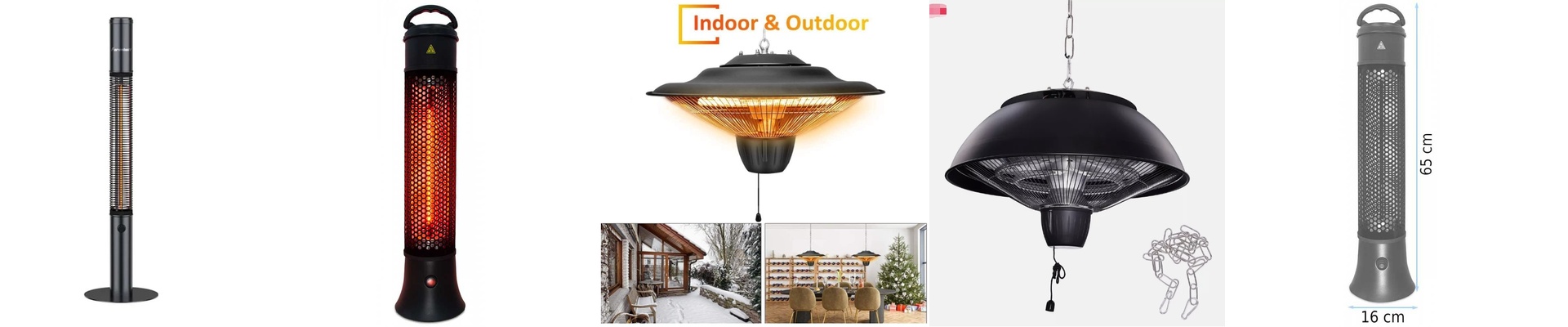
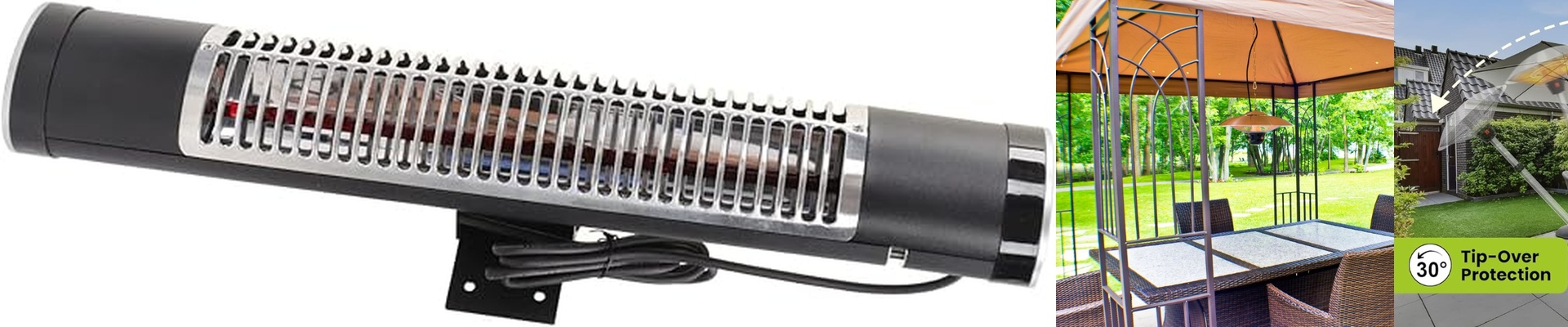
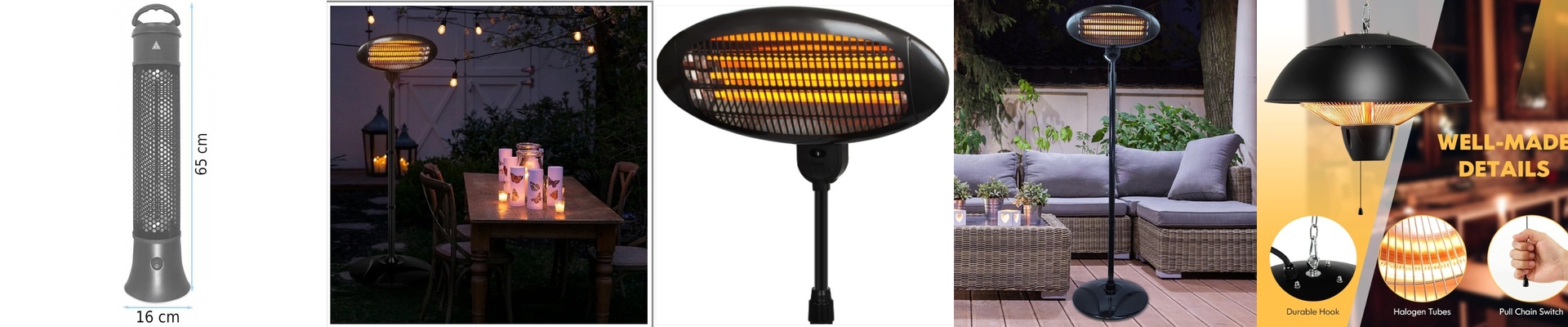
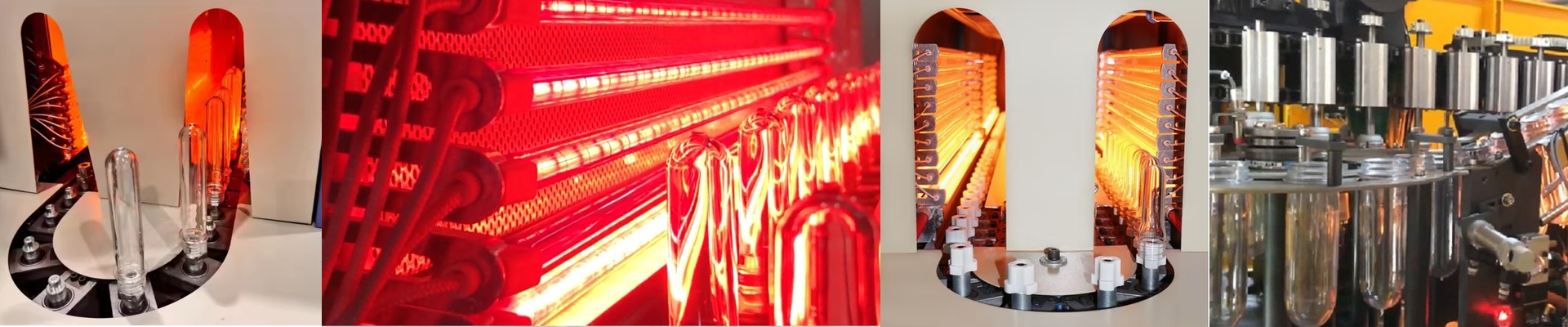
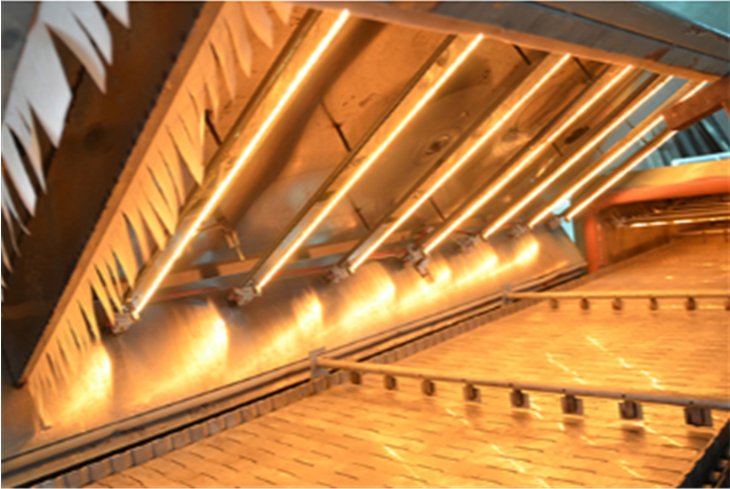
When you’re sterilizing a cabinet, you can’t afford to sit around waiting for things to warm up. You need to go from room temperature to “scorching” in a matter of seconds. That’s why we lean on Nichrome-based infrared (IR) heaters. Think of it like this: standard resistive coils are slow. They waste a ton of time heating up their own housing before the heat even reaches your gear. IR lamps are different. They shoot short-wave radiation straight at the target. It’s instant.
Why Nichrome actually works
We use Nichrome wire because it doesn’t freak out when it gets hot; the electrical resistance stays stable. The moment you flip the switch, the filament glows. This means you’re hitting sterilization temps in seconds, not minutes. You get this intense blast of heat concentrated right where it needs to be, which kills pathogens way faster because you’ve cut out all that lagging “warm-up” time you get with convection.
The hardware side of things
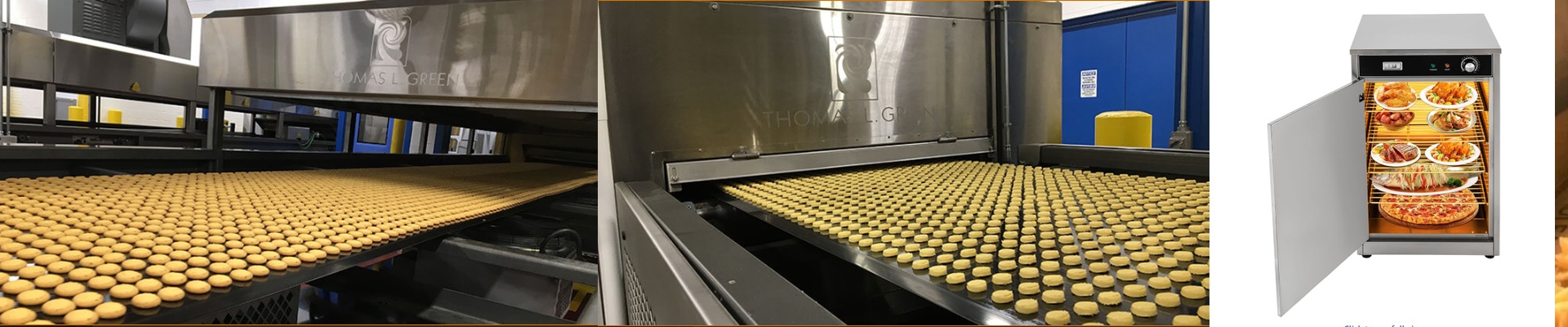
To keep the whole thing from exploding or cracking, these heaters live inside a high-purity quartz envelope. Quartz is great because it can handle the shock of going from cold to hot over and over again. Sometimes we use a coated version of that quartz. It tweaks the way the heat is emitted so it actually sinks into the surfaces of whatever you’re sterilizing, rather than just bouncing off the surface like a mirror. We keep the design slim so it actually fits in the ceiling of a tight cabinet. But a word of warning: this much heat in a small space is intense. You’ve got to be smart about your wiring and insulation. If your cabinet frame isn’t rated for those peak temperatures, you’re going to end up with a warped chassis.
A few things to watch out for
Switching to rapid-start IR heaters is a pretty easy swap, but you can’t just “set it and forget it.” These things are powerful. If you just leave them running, you’ll fry your load. You need a PID controller or a timed relay to keep things under control. Plus, don’t go overboard with the wattage. If you put a massive heater in a tiny cabinet, you’ll either blow the lamps or melt every plastic part in sight. Just balance the power against the actual size of your cabinet, and you’ll be in the clear.