Fast-Response Radiant Heaters for Pizza Ovens: Why Second-Level Control Actually Matters
In a pizza oven, seconds are everything. You open the door, heat pours out, and the temperature dives. With a regular heater, you wait minutes just to get back to where you started. That lag ruins crusts. So we built a radiant heater that recovers in seconds. When the door closes, the oven surface snaps right back to your setpoint. No drama. Just consistent heat, every time.
Here’s what makes it work: power, voltage, and fit
We packed serious heat into a small footprint. The unit runs on 400V, which delivers the current you need without overloading the wiring. That keeps conductors and connections tidy inside the oven chassis. Wattage is tuned to hit your target surface temperature under steady use—and still have extra punch for a rapid restart. The tube length is chosen to cover the full baking width, so you get even irradiance across the deck. No hot zones. No cold spots.
The heart of it: halogen, quartz, and a simple connection
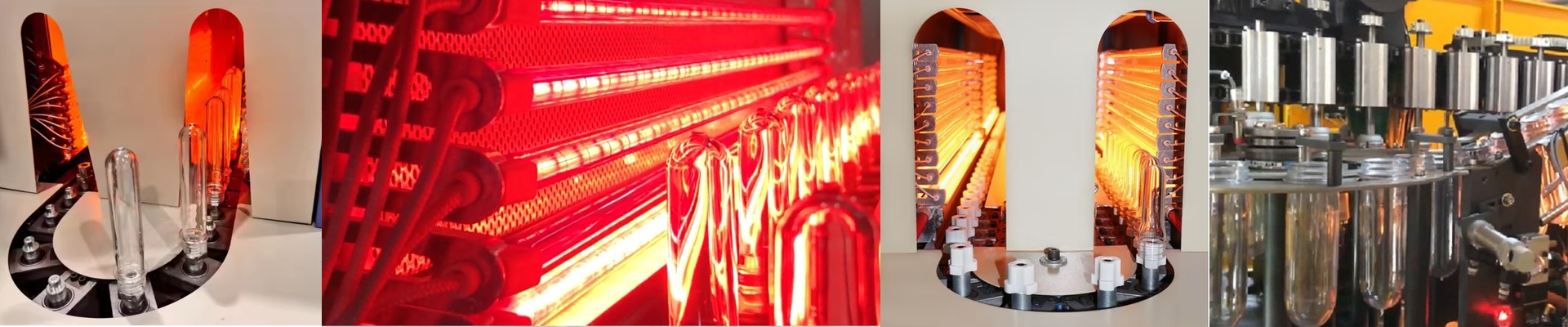
Inside is a halogen-filled quartz tube. The halogen gas slows filament evaporation, so output stays stable and the life stays long—even when the filament runs hot. Quartz handles the shock of constant on/off cycles and stays highly transparent to infrared, so the heat transfers efficiently. And the R7s bi-pin connector? It’s direct, solid, and quick. It locks the tube in place, carries the current safely, and makes replacement a simple drop-in. No fiddling. No guesswork.
The payoff: control that saves energy and protects quality
Fast response means the oven doesn’t have to overshoot to recover. Less overshoot, less wasted energy. The control loop keeps the temperature tight, so you bake the same profile, batch after batch. But here’s the catch: high power density needs proper cooling and airflow around the heater and its mounting area. If your machine’s cooling is too small, ambient heat builds up and shortens component life. Match the cooling to the heater, and you get consistent bake quality, lower standby losses, and fewer temperature swings that lead to rework.