
Stop Letting Your Finishing Oven Slow Down Your Line
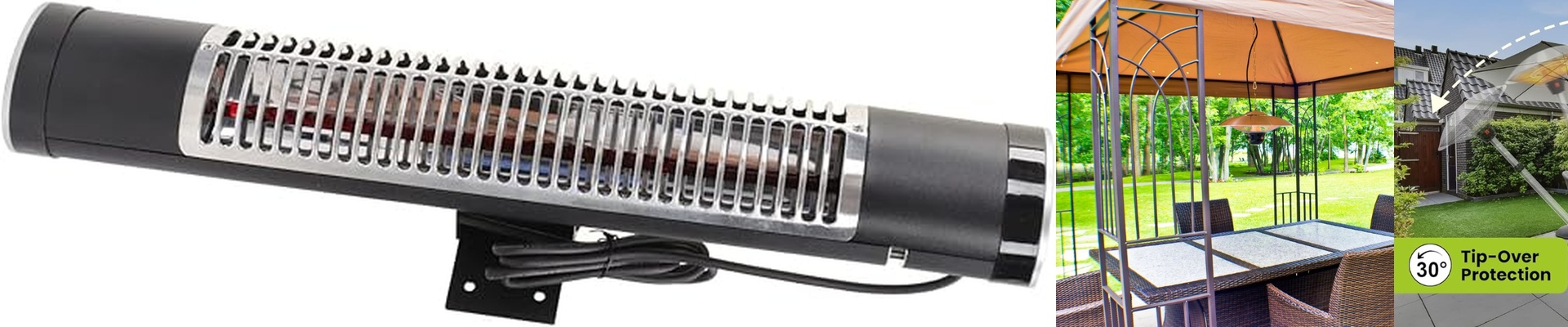
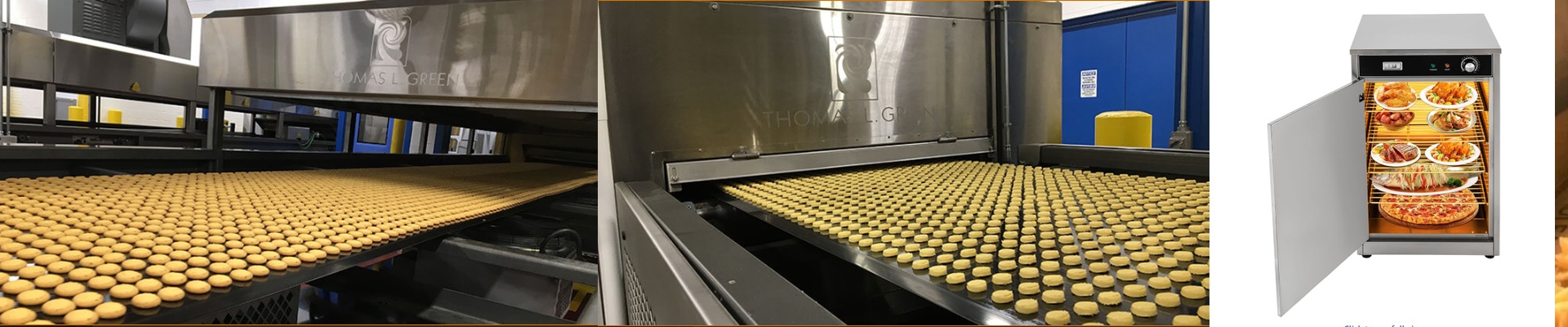
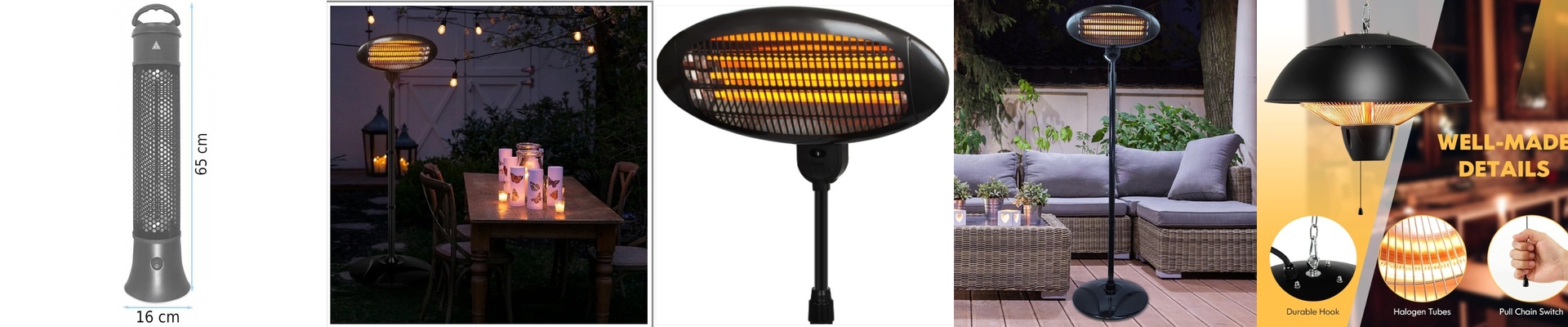
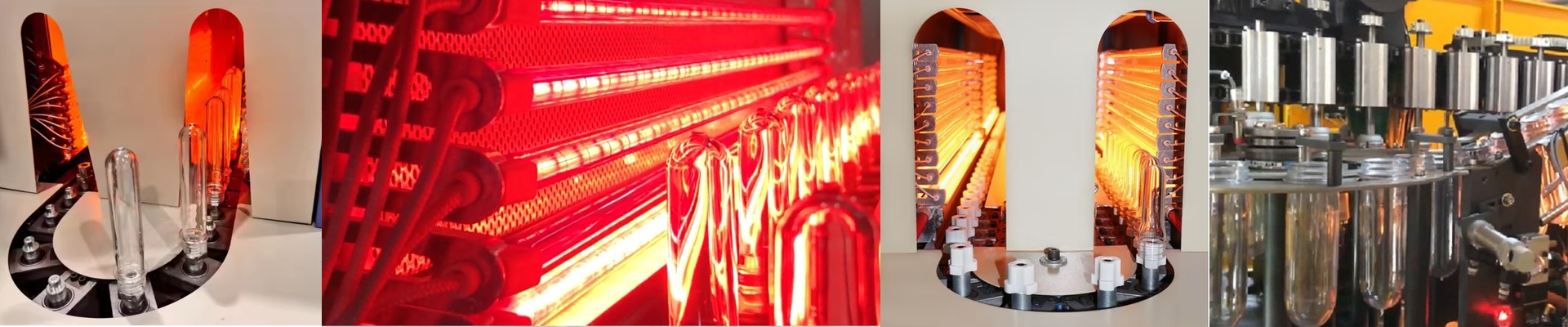
Ever feel like your bread line is running perfectly until it hits the browning stage? It’s a common headache. You want to crank up the conveyor speed, but you can’t because the heat just isn’t penetrating fast enough. You’re stuck at a certain parts-per-minute, and that’s where your profit hits a ceiling. We fix this by swapping out old-school convection for ceramic infrared heaters. The secret is in how the heat moves. Most ovens just heat up the air and hope for the best. That takes forever. Infrared is different. It sends short-to-medium wave radiation straight into the dough. It hits the surface instantly, triggering that golden-brown Maillard reaction in a fraction of the time. The best part? You can speed up the belt without worrying about a raw, doughy center. Safety isn’t optional. When you’re dealing with food, you can’t have random flakes of insulation or weird chemical smells drifting into your product. It’s a nightmare for audits. That’s why we use high-purity alumina ceramics. These things are tough. They handle the constant heating and cooling cycles without cracking or shedding. Everything is chemically inert, so nothing leaks into your food stream. You get the speed, and your safety inspector stays happy. A quick word of caution on the engineering. Here’s the thing: when you pack more heat into a smaller space, your power grid feels it. If you go for a massive, high-wattage array to squeeze out every last second of throughput, your wiring and contactors have to be up to the task. Don’t try to “overdrive” the elements just to shave a few seconds off the clock. That’s a fast track to burnout. We always suggest a balanced load. It’s the only way to keep a 24/7 production line running without surprise breakdowns. Getting it running. Installation is pretty painless. These are designed to be drop-in replacements for the heating elements you already have. Just wire them into your existing PID controllers and you’re good to go. Since the ceramic protects the internal wiring, they can take a beating far better than those exposed coils that seem to snap the moment you look at them. If one finally gives out? Just swap the module and get the line moving again. Simple.