Stop Throwing Away Burnt Bread: A Better Way to Handle Oven Heat
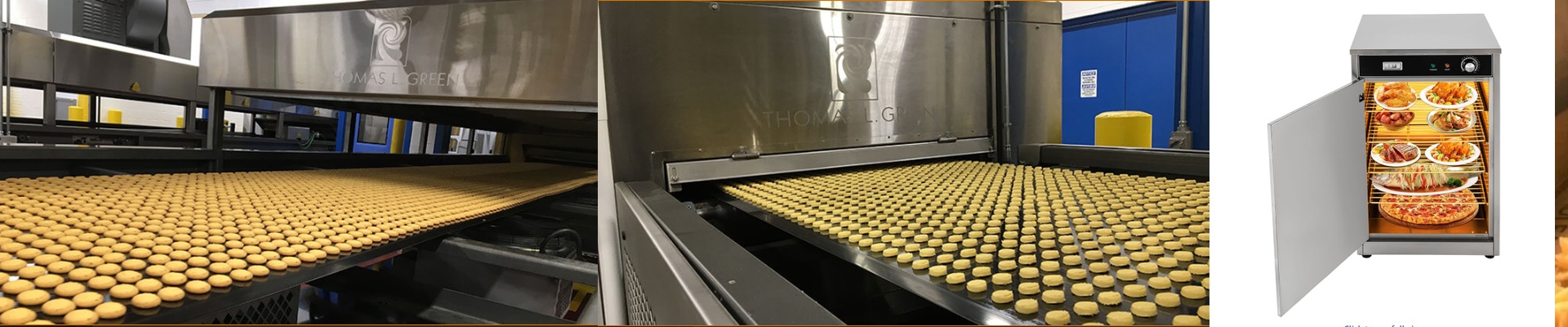
There is nothing more frustrating than pulling a tray out of an industrial oven only to find the edges are charred black while the middle is still doughy. It’s a waste of product, a waste of time, and a total headache. Usually, this happens because your heat is uneven. We fix that by swapping out those old-school convection fans or resistive coils for precision infrared (IR) bulbs.
Why IR Actually Works
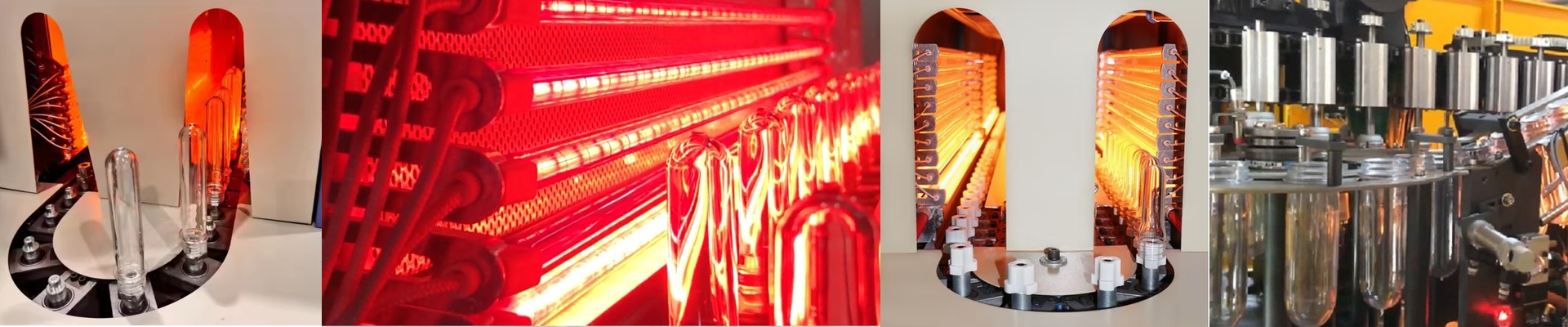
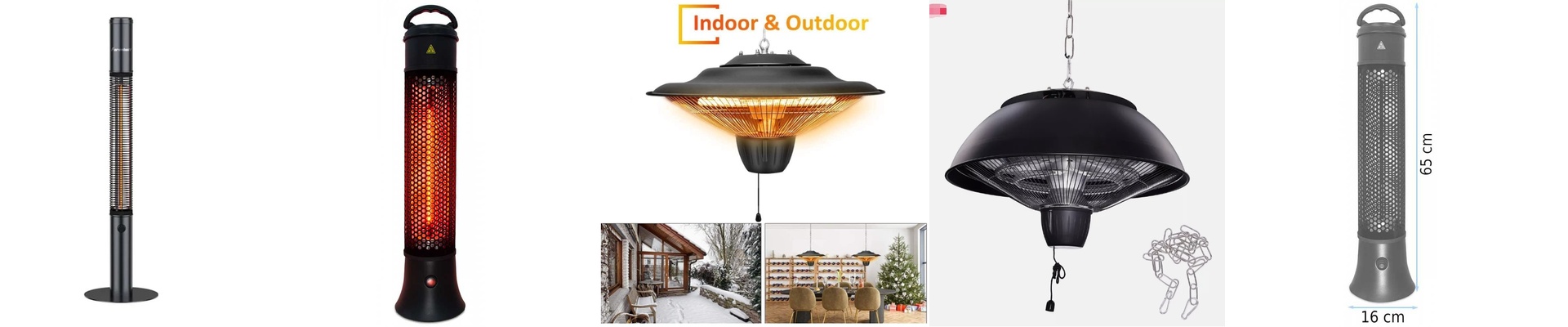
Think about how a convection oven works—it’s basically just blowing hot air around. The problem is that air is lazy. It creates cold spots and takes forever to get up to temp. IR bulbs are different. They don’t bother with the air. Instead, they send energy straight into the dough using electromagnetic waves. We use specific short-wave and medium-wave quartz emitters so the heat hits the product immediately, rather than just warming up the oven walls. It’s fast. Really fast. And it means you don’t have to deal with those annoying “dead zones” in your oven.
Getting the Balance Right
You can’t just toss in the biggest bulb you can find and hope for the best. If you put too much power in a small space, you’ll torch the crust before the inside even has a chance to cook. It’s all about the math—specifically, how much heat is hitting every square inch of that rack. We use arrays of quartz halogen tubes with a very specific wattage-to-length ratio to keep things even. Also, the material matters. We use high-purity silica for the quartz envelope. It’s tough enough to handle being turned on and off rapidly without cracking, and it lets the infrared light pass through without getting blocked.
The Practical Stuff (And the Gotchas)
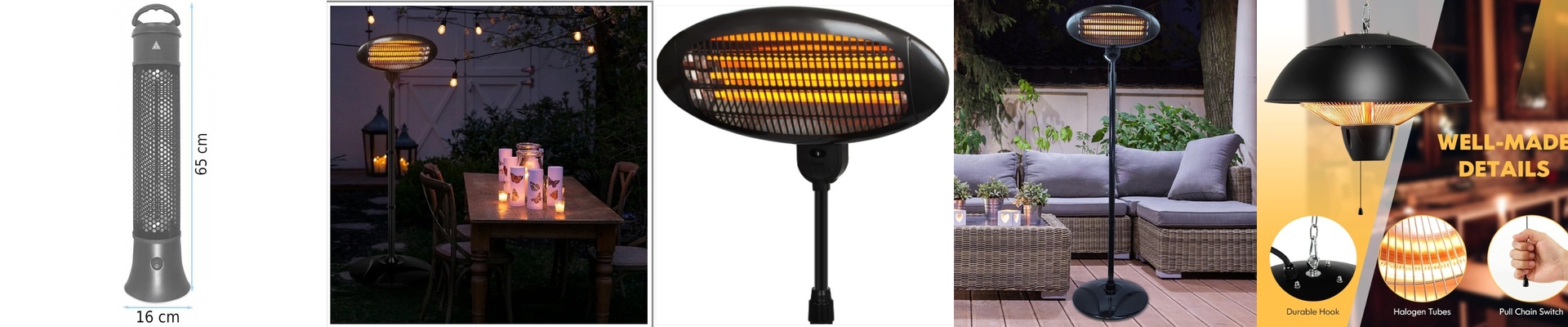
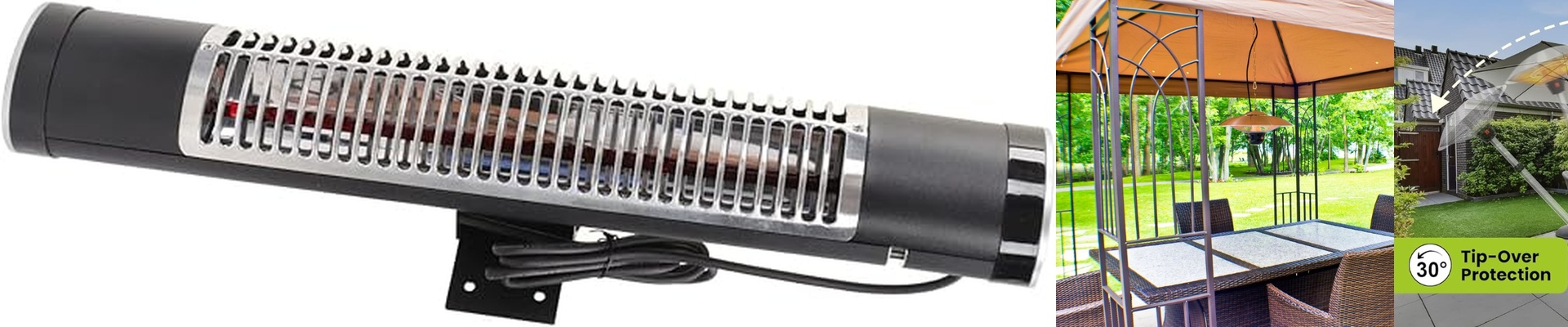
Setting this up requires a bit of a shift in how you think about controls. Traditional heating elements are slow; they have a lot of “thermal inertia,” meaning they stay hot long after you turn them off. IR bulbs are the opposite. They react almost instantly. Because of that, you’ll need a precise PID controller and your sensors have to be in exactly the right spot, or you’ll overshoot your target temperature. One more thing: these arrays gethot. I mean really hot. If you don’t use the right housing and wiring for your mounting brackets, you’re going to melt your connectors. But once you’ve got the spacing and the cooling sorted, you get a perfectly flat heat profile across the entire surface. No more burnt edges. Just consistent, perfect bakes.