
Getting Your Bakery Oven Temperatures Actually Right
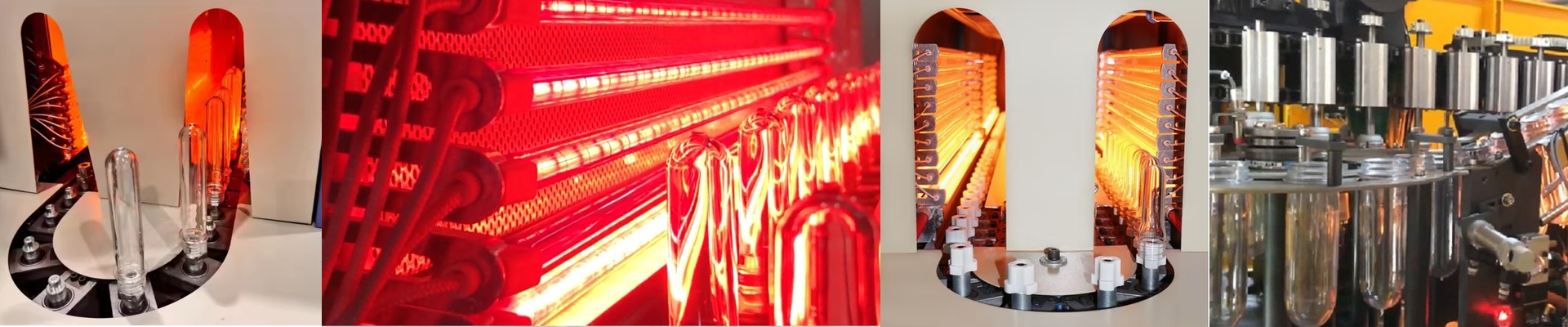
Ever pulled a tray out of the oven only to find the edges are burnt but the middle is still doughy? It’s frustrating. In a professional bakery, that’s not just a mistake—it’s wasted money. To fix this, we use nichrome wire tucked inside high-purity ceramic tubes. It sounds technical, but it basically means your oven heats up fast and, more importantly, stays steady.
Why Nichrome and Ceramic?
Here is the thing about heating elements: they want to burn out. We use Nichrome (Nickel-Chromium) because it grows its own protective skin. This “oxide layer” keeps the wire from snapping or melting when you’re cycling the heat all day long. Then we slide that wire into a ceramic sleeve. Why? Because ceramic doesn’t warp when things get hot. Plus, bakeries are messy. You’ve got flour dust and grease flying everywhere. The ceramic acts like a shield, keeping the gunk off the wire so your oven doesn’t quit on you mid-shift.
Stop the “Temperature Swing”
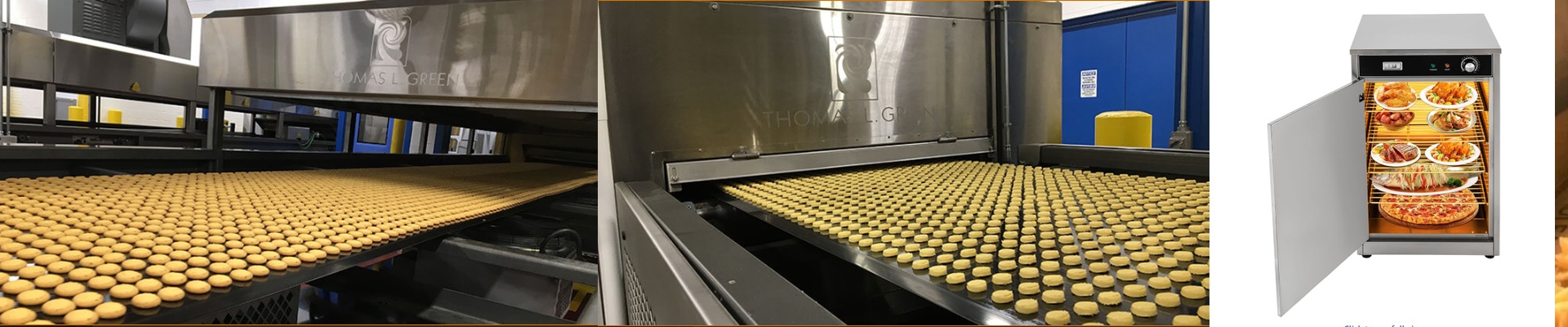
The real nightmare in industrial baking is “overshoot”—when your oven blasts past the Temperature you actually wanted. We’ve spent a lot of time tuning these elements to play nice with high-end PID controllers. When we test them, the numbers are rock solid. You set a temperature, the oven hits it, and it stays there. It gives you a really tight window. That’s how you get that perfect, golden-brown crust on every single loaf, tray after tray.
A Quick Heads-Up on Heat
There is a trade-off here. These high-density heaters put out a massive amount of heat, but they hold onto it. They don’t just “turn off” and cool down instantly. If your recipe needs the temperature to drop quickly, you can’t rely on the elements alone. You’ll need to make sure your fans or ventilation are up to the task to help pull that leftover heat out of the ceramic.
Getting Them Installed
The good news is these are mostly drop-in replacements. They fit right into most industrial oven racks without a fuss. Just a couple of tips: make sure your power source is stable. Voltage spikes are the enemy—they wear down the nichrome wire faster than necessary. And give the elements some breathing room. If they’re too crowded, you’ll get hot spots that will scorch your bread.