Getting Your Sidel Blower Lamps Right (Without the Headache)
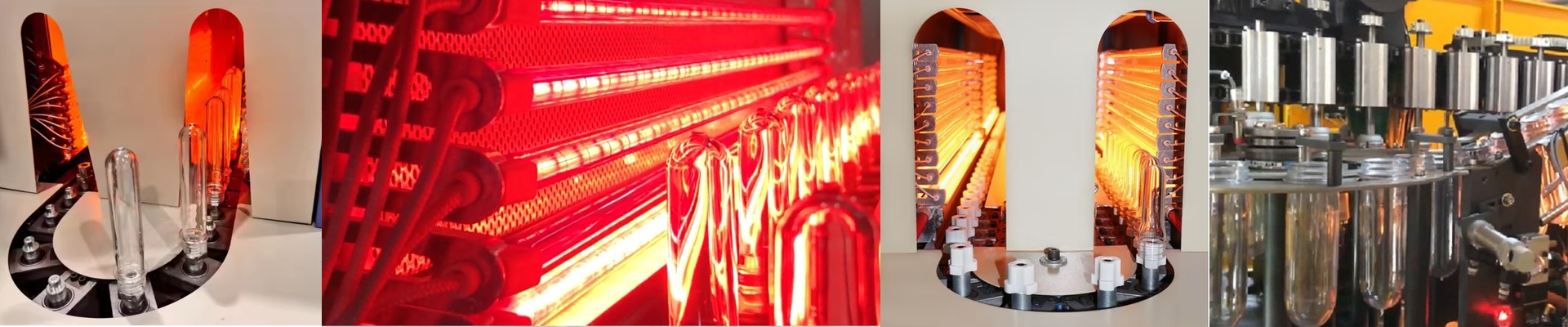
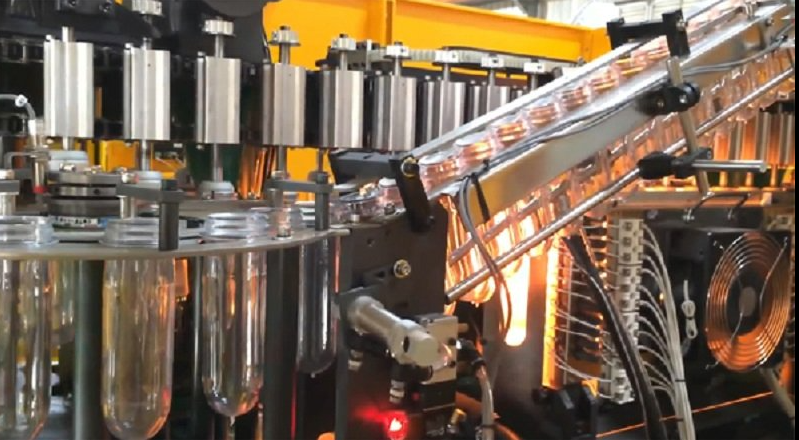
If you’ve ever tried to swap out lamps across different Sidel generations—going from the old-school SBO lines to the newer Matrix series—you know it’s not as simple as just checking the wattage. We’ve all been there. You buy a lamp that should work, but it doesn’t quite fit, or worse, it messes with your heat. That’s why we built our replacements to be true drop-ins. No machine mods, no “making it work,” just plug and play. It’s all about where the heat goes. When Sidel moved from SBO to Matrix, the oven footprints and airflow changed. If the tungsten filament inside the lamp is off by even a couple of millimeters, you’re going to see hot spots on your preforms. Not a good look. We obsess over the physical tolerances of the quartz envelope. Why? Because we want the infrared radiation hitting the PET wall at the exact right angle. Every single time. No rewiring required. Nobody wants to spend their shift rewiring an oven. Whether you’re running R7s or specific plug-in bases, our connectors just fit. We also use high-purity quartz. These blowers put a lot of voltage stress on the hardware, and cheap glass just burns out. Ours are built to handle the heavy lifting without pitting or overheating at the contact points. A quick word of advice on performance. High-density infrared lamps are great because they heat up fast, which keeps your production line moving. But there’s a catch. That extra power puts more strain on your cooling fans. If you’re pushing these lamps to the limit in a Matrix machine, double-check that your ventilation is actually clear. And here is a pro tip:**keep your reflectors polished.**Dust buildup will kill your efficiency way faster than the lamp will actually wear out. Give them a clean, and you’ll get every bit of power out of that quartz tube.