Stop the Heat Rollercoaster on Your SIPA SFR 16
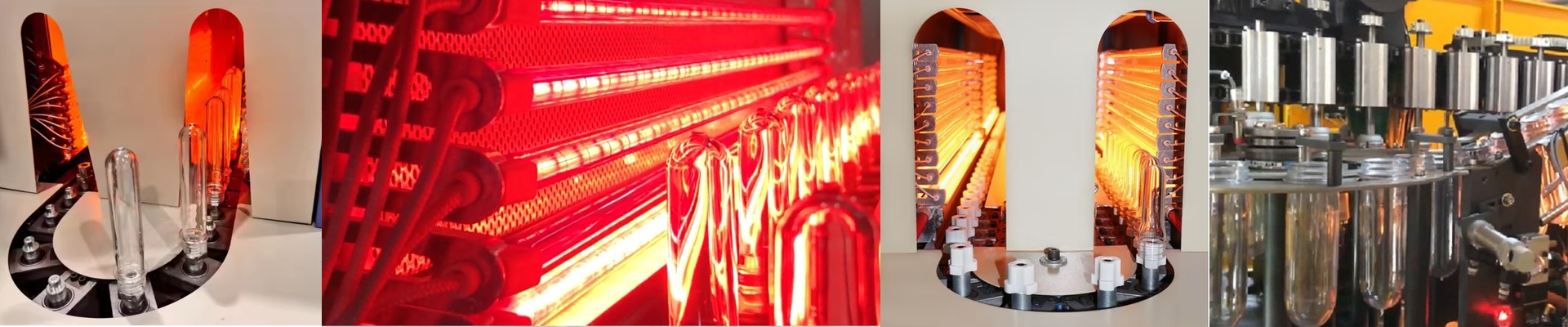
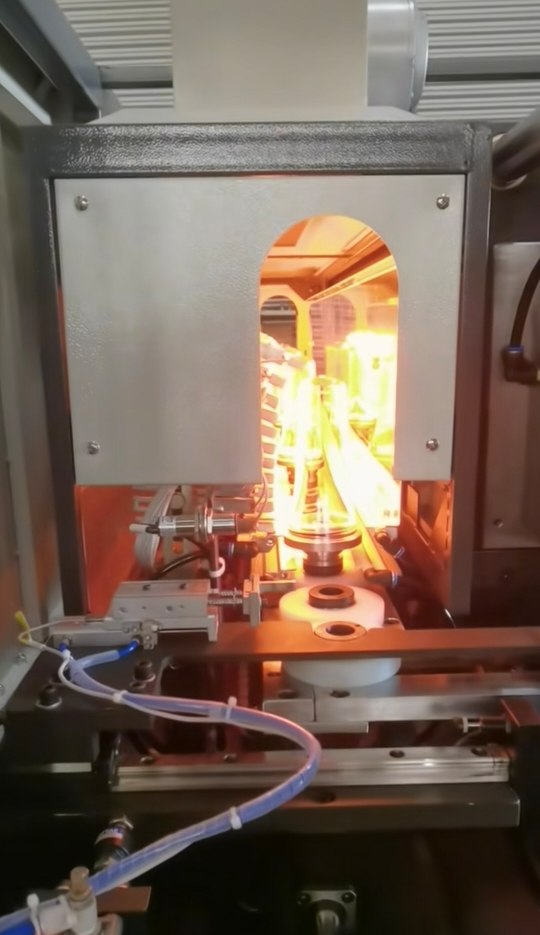
Ever pull a batch of PET preforms and see those annoying streaks of pearlescence or weirdly thin walls? It’s frustrating. Usually, it comes down to one thing: your heat isn’t hitting the plastic evenly. Most of the time, this happens because someone tossed in replacement lamps that almost match the originals, but not quite. A slight difference in wattage or spectral output might seem small on a spec sheet, but on the shop floor, it’s a headache. That’s why we build our IR lamps to be a dead-on match for the SFR 16. No guessing. Just a direct drop-in that keeps your power steady. The danger of “close enough” Here is the thing about oven banks: they hate inconsistency. If you mix and match lamps with different voltage tolerances, you end up with hot and cold spots. Even a 5% mismatch can wreck your heating profile. When that happens, the natural instinct is to just crank up the overall temperature to make up for the weak lamps. But that’s a gamble. You’re basically risking burning your preforms just to get the cold spots up to temp. It’s a losing game. Built for the grind We use high-purity quartz glass because these things take a beating. They heat up and cool down fast, and that thermal shock can snap cheaper glass. We also use a halogen gas fill to keep the filament from giving up the ghost too early. As for the fit? We stick to the standard R7s/Sk15 interface. It clicks in firmly. That matters. A loose connection isn’t just a nuisance—it causes arcing, which fries your sockets. A quick reality check These lamps are powerful. They’ll get your ramp-up times down and your cycles moving faster, which is great for your bottom line. But there’s a catch. High-wattage tubes put a lot of stress on your ventilation. If your cooling fans are choked with dust or starting to fail, that trapped heat will eat your lamps alive. Keep your airflow clean. Pop the lamps in, calibrate your PID controllers, and you can finally stop worrying about thermal variance.