
Making Your Aoki and PET Blowing Lamps Just… Work
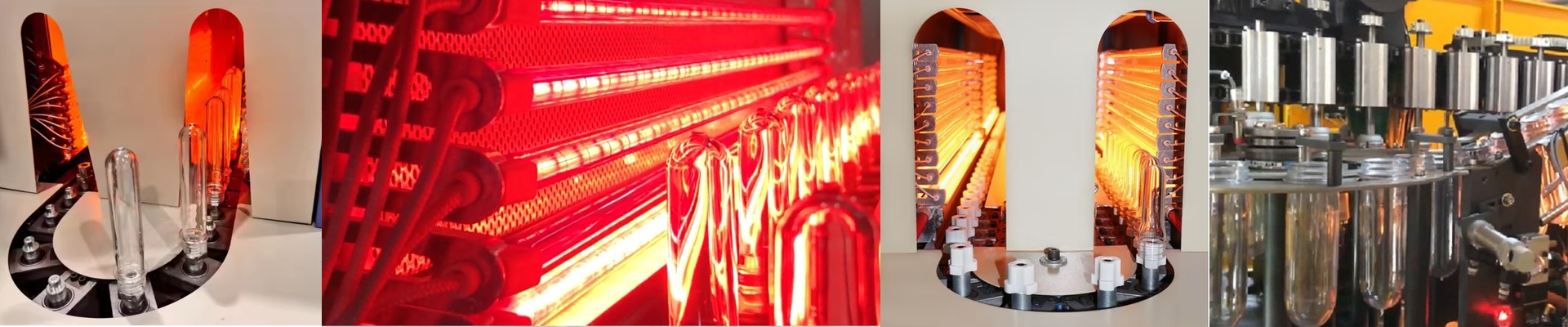
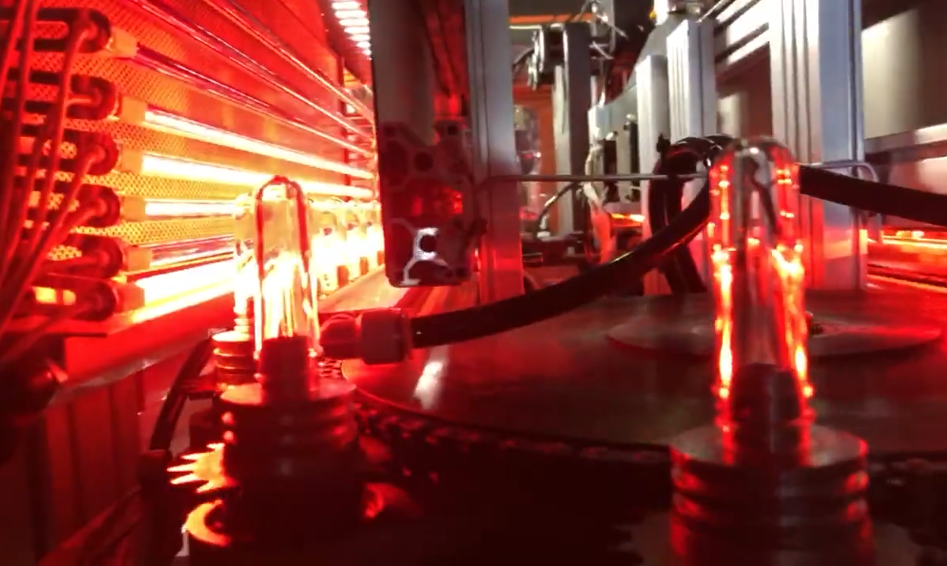
If you’re running a PET blowing machine—Aoki or otherwise—you know the drill. Everything hinges on those shortwave infrared lamps. They do the heavy lifting of softening the preforms, and when they’re off, your whole line slows down. We wanted to make replacement lamps that actually fit. Not “mostly fit,” but truly drop-in ready for about 95% of the machines out there. To do that, we stopped overcomplicating things and focused on what actually matters: the power, the size, and the heat. The headache of power and fit Getting the wattage and voltage right isn’t just a technicality; it’s the difference between a perfect bottle and a disaster. If you toss in a lamp with the wrong wattage, you’re gambling. You might fry your transformer, or worse, you’ll under-heat the preform. That leads to those annoying uneven walls in your bottles that make quality control a nightmare. We keep a huge stock of different lengths and voltages on hand. Why? Because nobody wants to spend their afternoon rewiring a control cabinet just to get a light to turn on. You should be able to swap them and get back to work. Better glass, less fuss We use high-purity quartz because these lamps go through a lot. They heat up and cool down fast, and cheap glass just can’t handle that kind of thermal shock. Plus, we use a halogen cycle. It stops the tungsten from clouding the glass, so the light stays clear and consistent for thousands of hours. And about the connectors—we stick to R7s or SK15. They’re the industry standards. No proprietary clips, no weird locks, and no fighting with the hardware during your downtime. You just plug them in. The real-world stuff These lamps are built for speed. They pump out the concentrated energy you need to keep your cycle times fast. But here’s the thing: that much power creates a lot of ambient heat. It’s intense. You’ve got to make sure your cooling fans and vents are doing their job, or you’ll end up melting your sockets. We also obsess over the end-caps. We keep the tolerances tight so the lamp sits perfectly in the reflector. When it’s seated right, every bit of that infrared energy hits the PET preform exactly where it needs to. Simple as that.