Getting the Heat Right in High-Speed PET Blowing
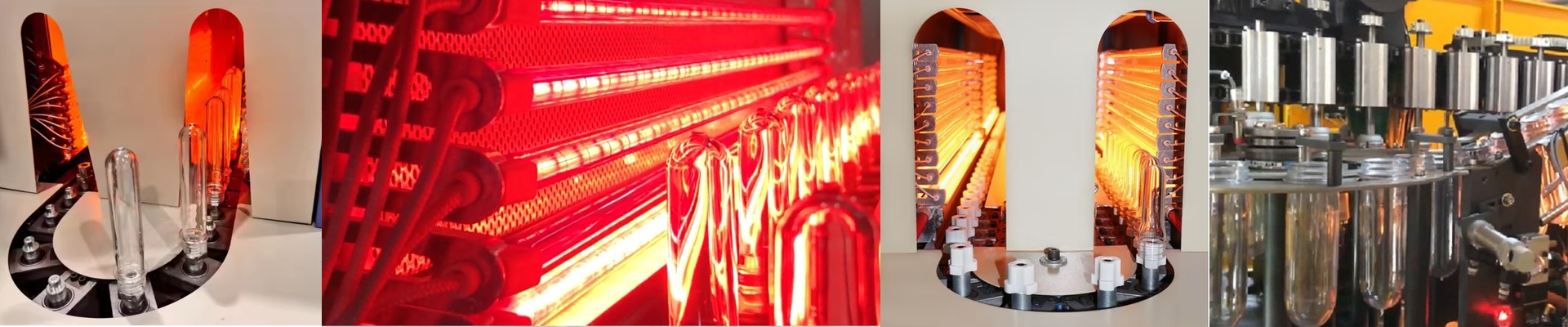
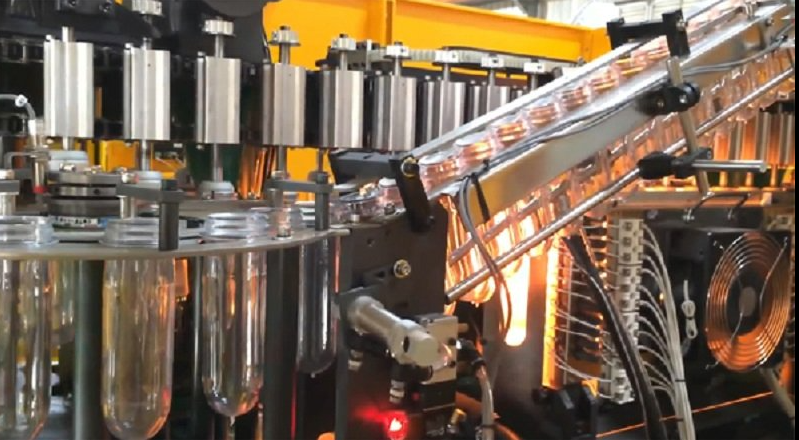
If you’re running Krones Contiform S or Husky HyPET systems, you already know the headache: the oven is almost always the bottleneck. The struggle is real. You need to get heat deep into the thickest part of the preform wall, but if you push too hard, you end up scorching the surface. It’s a delicate balance. That’s exactly why we built our replacement lamps the way we did. Stop burning the surface. Most standard lamps just dump energy onto the outside of the plastic. That’s how you get that annoying “pearlescence” or, worse, burnt PET. We took a different approach. By tweaking the tungsten filament density and using a cleaner quartz envelope, we shifted the infrared spectrum. Basically, we made the heat “reach” further. Instead of just cooking the skin, the radiation actually sinks into the material. You end up with a temperature that’s consistent from the inside out. The nitty-gritty on the hardware These are simple drop-in replacements. No fuss. We use heavy-duty quartz glass because cheap glass bows when things get hot. We also obsess over the tolerances for R7s and Sk15 connectors. Why? Because a loose fit leads to arcing, and arcing kills your sockets. It’s a small detail that saves a lot of downtime. We’ve got different wattage and voltage options depending on your oven zone. But here’s a tip: if you’re running high voltage to crank up your throughput, keep an eye on your reflection chambers. If those reflectors get dirty or dull, all that penetration power we built into the lamp just goes to waste. Keep them polished. A few things to keep in mind More power means you can hit those higher cycle speeds. That’s the goal. But there’s a trade-off. When you pump in more wattage, your cooling blowers have to work overtime to keep the preform neck from overheating. If you’re switching to higher-output lamps, do yourself a favor and double-check your airflow settings. It takes five minutes, but it’ll keep your scrap rate from spiking.