Getting Your Sidel Matrix Heating Just Right
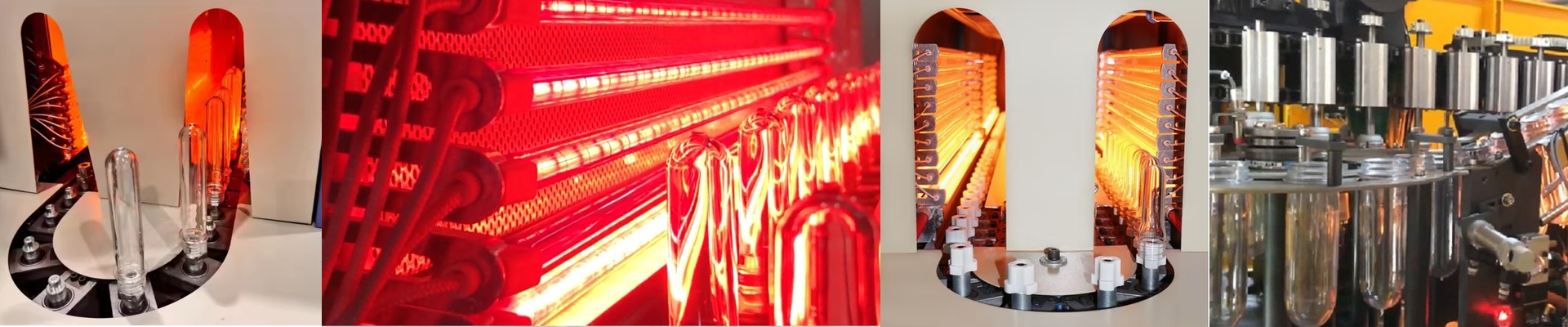
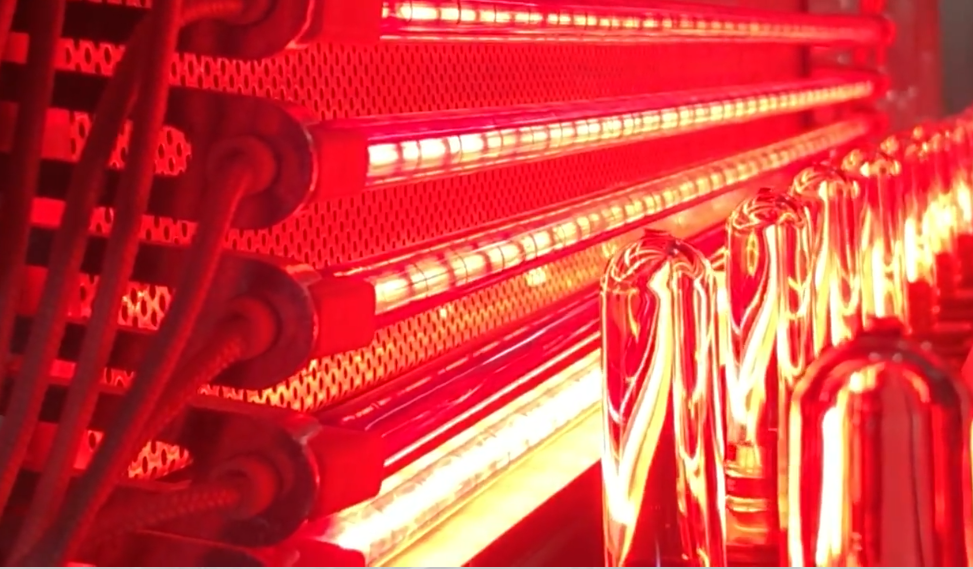
Here is the problem when you swap out lamps in a Sidel Matrix blower: the temperature curve loves to shift. If your new lamp doesn’t hit the same spectral output or wattage density as the original, your preheating goes sideways. You end up with weird wall thickness in your PET bottles and a scrap pile that keeps growing. It’s frustrating, and it costs money. Matching the specs (for real) We don’t just look at voltage and wattage and call it a day. That’s the easy part. We obsess over the heat flux per millimeter. By mirroring the exact physical size and electrical load of the original, our lamps pull the same current from your power supplies. You won’t have to worry about frying your circuitry or leaving your preforms half-cold. It just works. The secret is in the glass We use high-purity quartz because these things take a beating with rapid thermal cycling. We also make sure the filament is positioned perfectly so the heat spreads evenly across the whole tube. But here is the thing: wattage isn’t everything. If the coating or the gas fill is off, the PET won’t absorb the heat the same way. That’s why we spec our lamps to hit the exact same infrared wavelength peaks as the OEM parts. It’s about making sure the plastic “feels” the heat exactly how it’s supposed to. Getting them running These are true drop-in replacements. You just use your existing connectors and keep the lamp cage exactly as it is. No hacking, no modifying. One quick tip, though. If you’re running these at full blast, your oven’s cooling fans are going to work harder. If your vents are dusty or the fans are acting up, that intense heat can wear out your lamp holders faster than usual. Do yourself a favor: check your airflow before you crank up the power.