
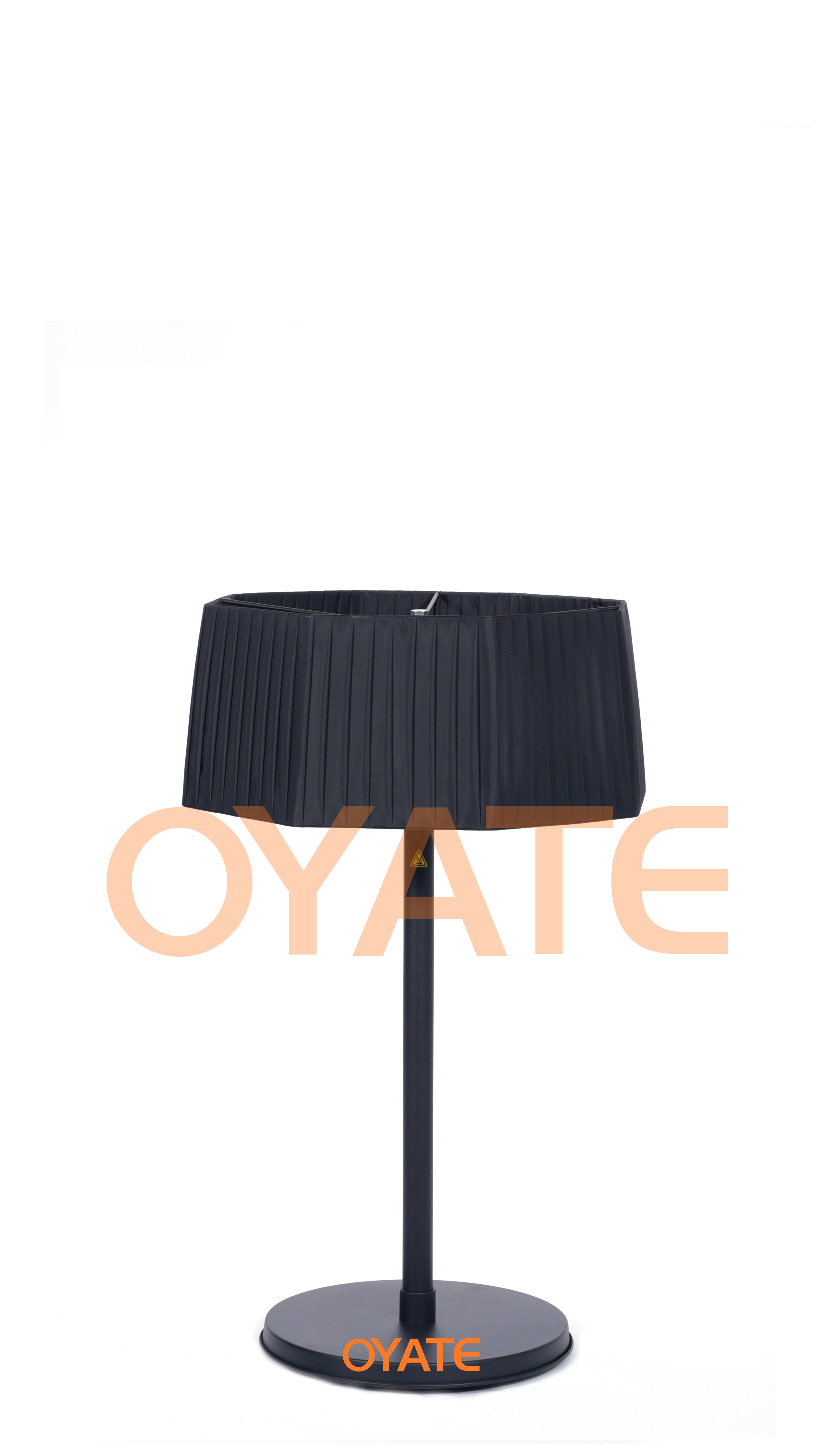
Why we put our bathroom lamps through a “humidity hell”
Bathrooms are honestly a nightmare for electronics. You’ve got steam everywhere, random water splashes, and temperatures that swing from freezing to sauna-level in about five minutes. Now, we build our infrared lamps to an IP44 standard. But let’s be real: a rating on a spec sheet doesn’t actually stop a product from breaking in someone’s home. Here’s the thing about moisture. Water vapor is sneaky. It finds the tiniest gaps in a housing and crawls inside. Once it hits the electrical terminals or the quartz glass, things go south fast. You get oxidation, short circuits, and a lamp that just stops working. That’s why we don’t just “hope” they work. We take every batch and shove them into damp heat chambers. We blast them with high humidity and heat for hundreds of hours. We’re basically trying to break them on purpose. If there’s a hidden flaw, we want it to show up on our floor, not in your bathroom. To get that IP44 rating, we use specific gaskets and sealed cable entries to keep out dust and splashes. But heat is a sneaky enemy. If a gasket warps or shrinks after a few weeks of use, that waterproof seal is gone. We spend a lot of time checking for “creepage”—making sure moisture can’t create a little electric bridge between live parts. But there’s a catch. You can’t just seal a unit airtight. If you do, the lamp can’t breathe, and it’ll overheat itself. It’s a balancing act. That’s why we’re so picky about the installation clearances we recommend. Your lamp needs a little breathing room to stay cool. We don’t guess when it comes to how long these things last. We bake them, wire them up, and run them until they either hit the mark or burn out. It’s the only way to be sure that when you step out of a hot shower, your lamp actually turns on.