How to Get Your Pizza Done in 90 Seconds (Without Burning It)
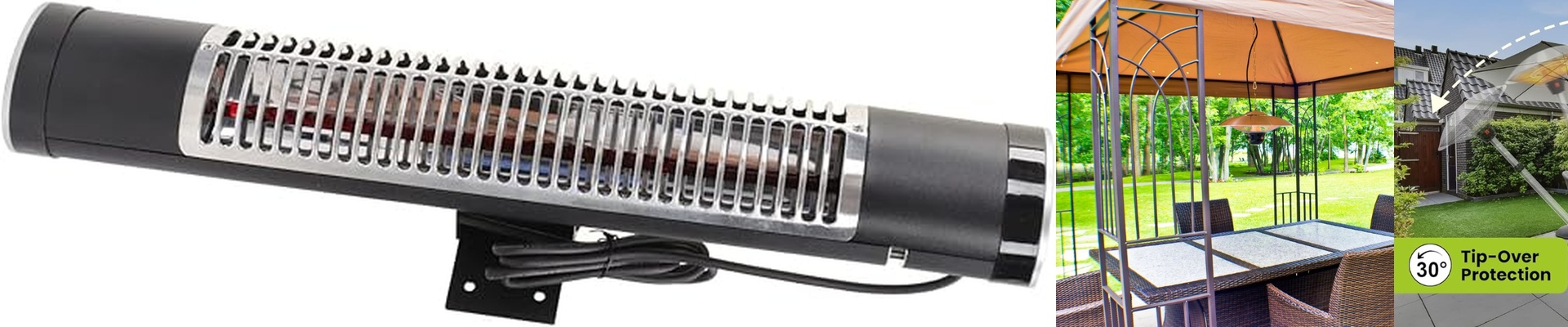
If you want to drop your cook time from five minutes down to just 90 seconds, you can’t just “turn up the heat” in a normal oven. You have to stop relying on hot air and start using direct radiant energy. That’s where infrared (IR) heat bridges come in. Instead of waiting for the air inside the oven to get hot and soak into the pizza, these bridges hit the dough and toppings directly. It’s practically instant.
Why it works
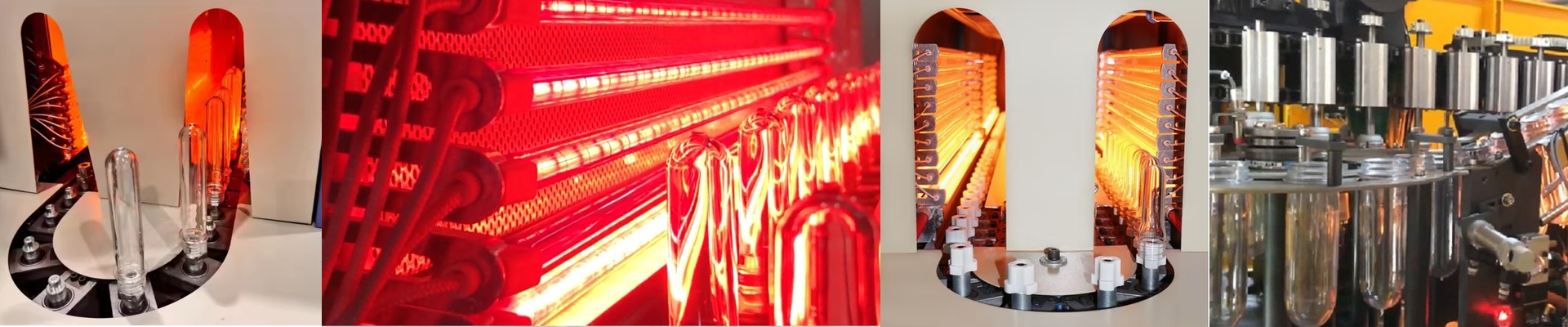
Most heaters just warm up the air, which takes forever. But these IR emitters shoot energy straight into the food. There’s no “warm-up” lag. The second you turn them on, the surface temperature spikes. Your crust sets faster, and the cheese melts in a blink. To make this happen, we use quartz-halogen tech. The quartz keeps things stable at crazy high temperatures, and the halogen gas stops the filaments from popping when you’re pushing them hard. We even tweak the coatings on the tubes. Why? Because you want the heat to actually sink into the dough, not just torch the pepperoni and leave the crust raw.
The “Catch”
Now, here is the thing: this stuff pulls a lot of power. When you’re aiming for that 90-second window, you’re pushing a massive amount of wattage through every inch of the heater. You can’t just plug this into a standard outlet and hope for the best. Your electrical panels need to be beefy enough to handle that surge, or you’re going to have a bad day.
The Trade-off
Speed is great, but it makes your margin for error tiny. When you’re cooking this fast, the gap between “perfectly golden” and “charred hockey puck” is maybe a few seconds. You lose that forgiving “slow soak” of a traditional oven. Because of that, you need sensors that react instantly and controllers that don’t wander. If your conveyor belt stutters or slows down for even a moment, you’re going to burn the product. You’re basically trading a bit of safety for raw, unmatched speed. For most high-volume shops, it’s a trade they’re more than happy to make.