Keeping Locker Rooms Warm Without the Headache
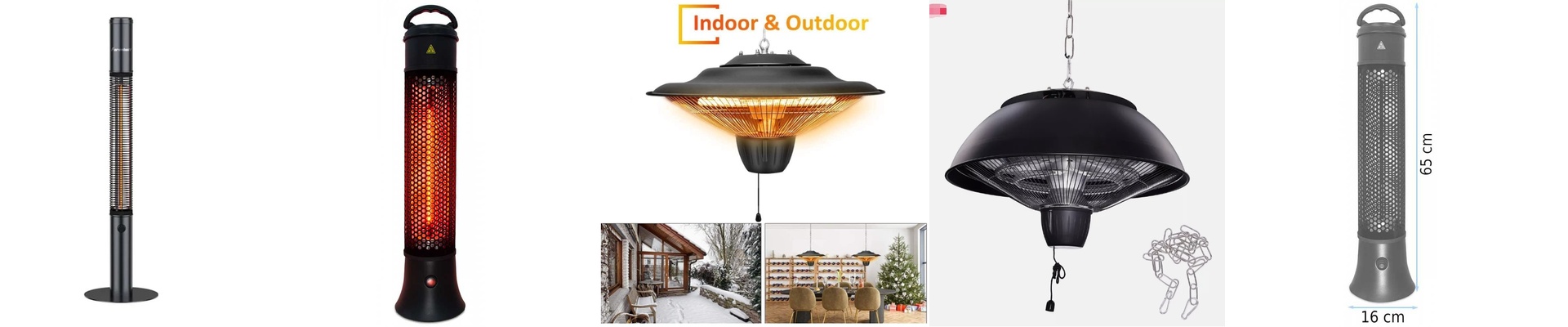
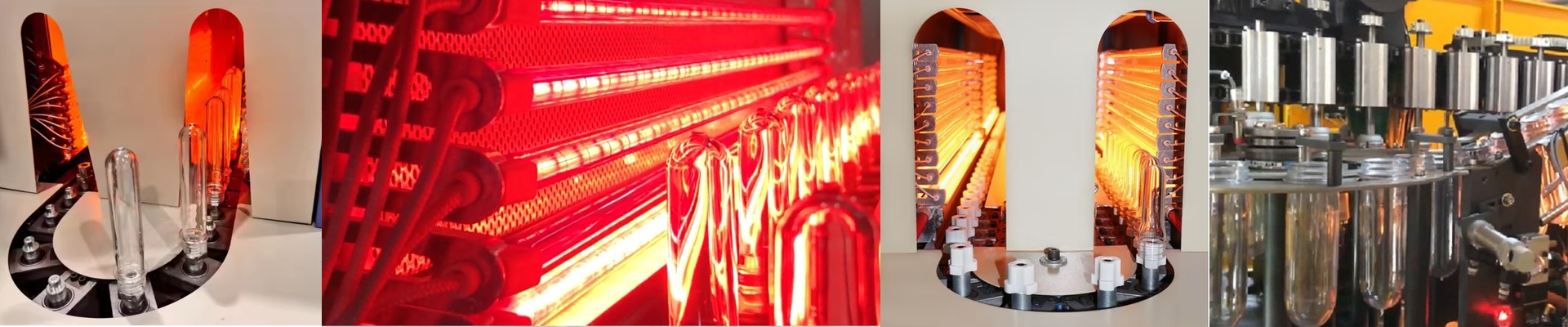
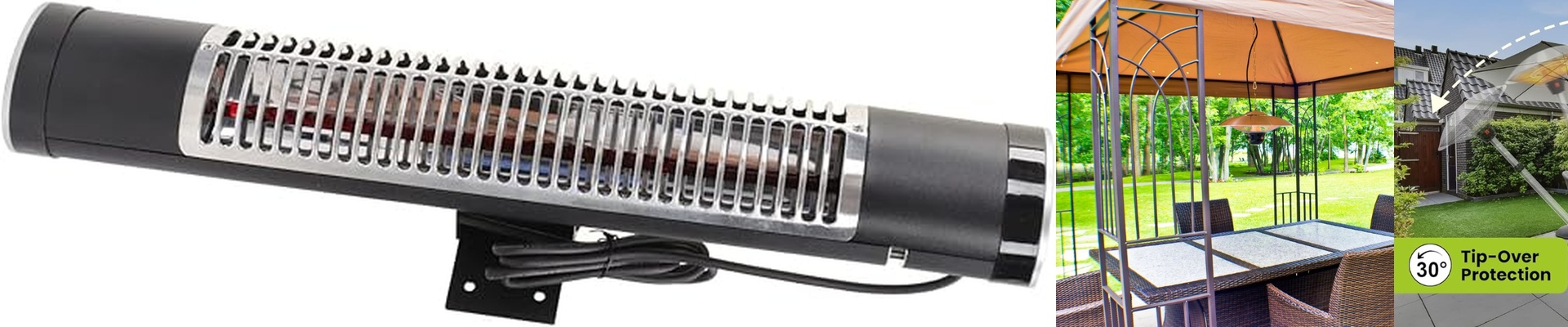
If you’ve ever stepped into a drafty locker room or a shower area in the middle of January, you know the feeling. It’s freezing. Trying to warm up a space like that with a standard heater is like trying to fill a bucket with a hole in the bottom—the heat just floats away. That’s why we use shortwave infrared. Instead of trying to warm up the air, it beams heat directly onto your skin and clothes. It’s instant. You feel it the second you step under it. The battle against moisture Wet zones are brutal on electronics. You’ve got steam, splashes, and high humidity hitting everything at once. To handle that, we build these to an IP65 standard. In plain English? The “6” means dust can’t get in, and the “5” means you can hit it with water jets from any angle and it won’t flinch. We seal the heating element behind tempered glass and use heavy-duty gaskets that don’t crack or shrink when they get hot and cold over and over. It’s a critical detail. If a seal fails, moisture creeps into the electrical terminals, and the whole thing just burns out. How it actually works Forget about fans and air circulation. We use quartz tubes that send out electromagnetic radiation. It moves at the speed of light. When that energy hits something solid—like you—it turns into heat. It feels like standing in the sun on a spring day, even if the room around you is still chilly. A few things to watch out for If you’re wiring these into an industrial grid, just keep an eye on your load. These arrays pull a lot of current. If you pack a bunch of them into one small area, make sure your breakers can handle the peak draw. Nobody likes a nuisance trip in the middle of a shift. There’s also a little catch with the IP65 sealing. Since the unit is airtight to keep the water out, the internal electronics can’t “breathe” as easily. They run hotter than an open-frame heater would. To fix that, we added aluminum heat sinks. They pull the heat away from the wiring so the unit doesn’t accidentally trip its own thermal cut-off when it’s working hardest during a cold snap.