Getting Your Outdoor Heating Right: The No-Nonsense Guide
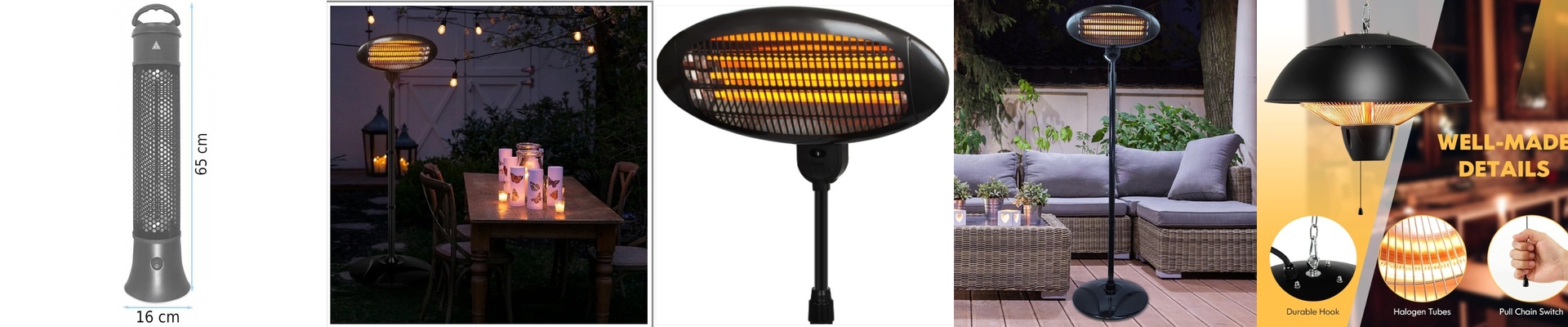
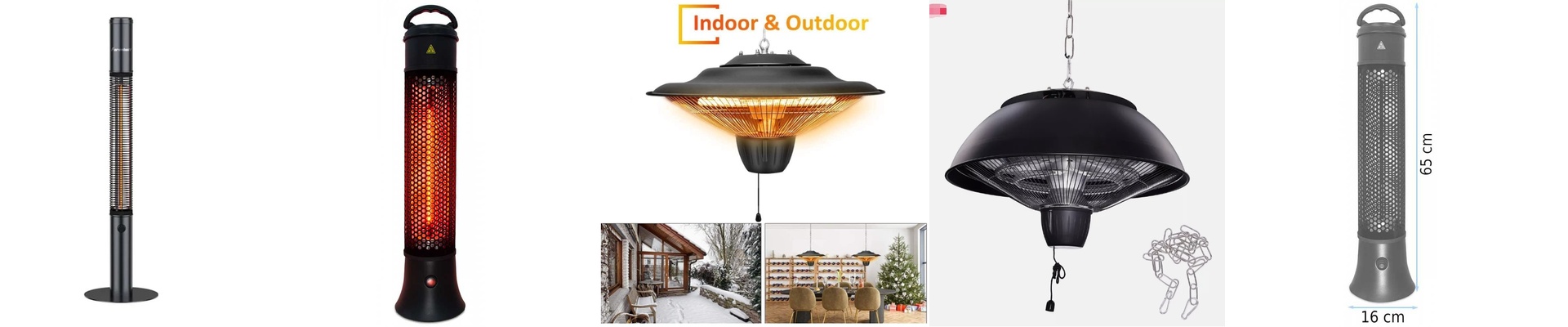
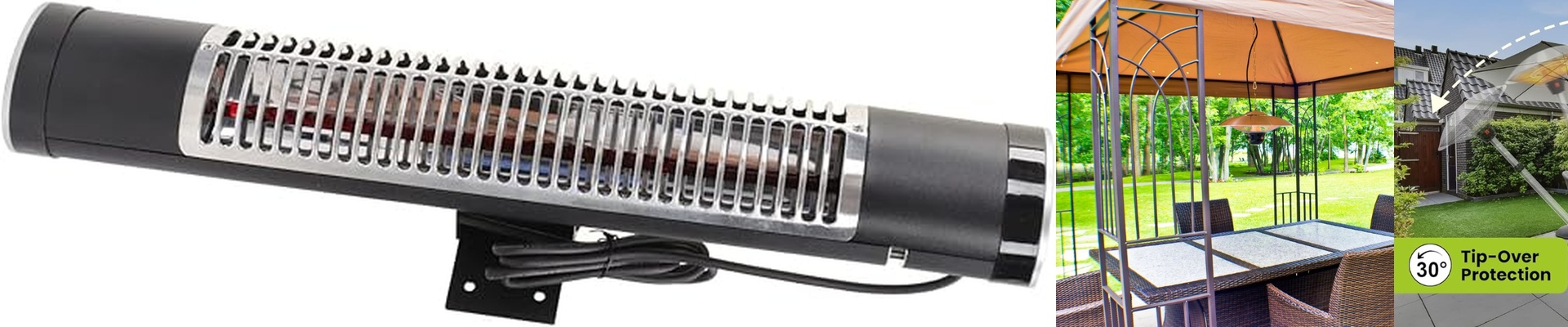
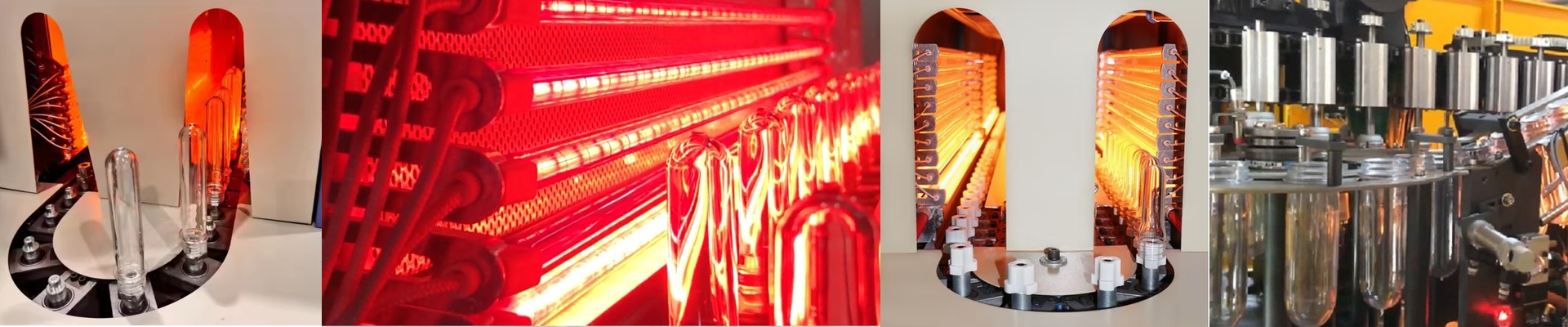
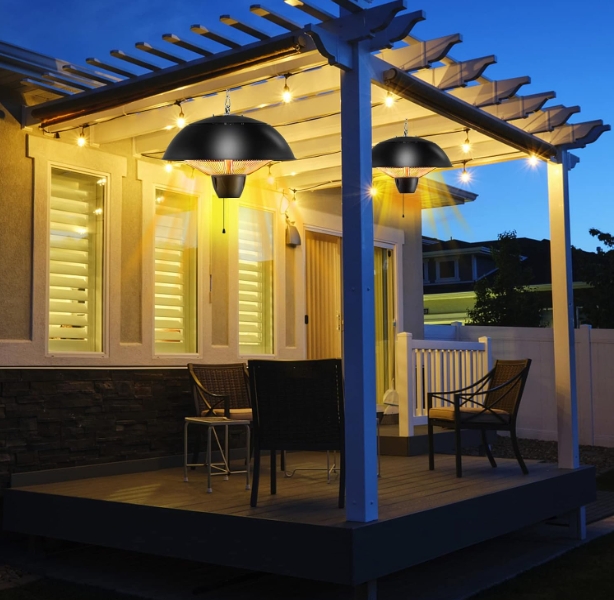
If you’ve ever tried to heat an outdoor lounge or a changing area on a freezing day, you know the struggle. You turn on a heater, wait ten minutes, and you’re still shivering because the wind just blows the warm air away. That’s why we don’t mess around with convection. It’s just too slow. Instead, we use short-wave infrared. Think of it like the sun. It doesn’t warm up the air around you; it hits your skin directly. You get that instant, “luxury hotel” kind of warmth the second you step under the lamp. No waiting. No shivering. The magic behind the heat Here is how it actually works: we heat a tungsten filament to an insane temperature. This creates radiation that moves at the speed of light. Unlike those long-wave heaters that need a big shiny reflector to push the heat toward you, these units just radiate it. The moment a guest walks in, they feel it. It’s immediate. Dealing with the elements Let’s be real—the outdoors are brutal on electronics. Rain, salt, wind… it’s a recipe for a short circuit. To stop that from happening, we wrap everything in IP-rated housings (usually IP55 or IP65). We use silicone gaskets to seal the electrical bits and tempered glass to keep the quartz tubes safe from the weather. But there’s a catch. If you seal it too tight, the electronics inside will basically cook themselves. To fix that, we use aluminum heat sinks. They pull the excess heat away from the wiring so the unit doesn’t melt from the inside out. A few things to watch out for during install Before you start drilling holes, keep two things in mind. First, these lamps are power-hungry. If you’re installing a row of 2000W heaters, make sure your breaker panel can handle the surge. You don’t want the power cutting out the moment everyone tries to get warm. Second, placement is everything. Short-wave heat is intense. If you mount the lamps too low, your guests are going to feel like they’re standing too close to a campfire—it’s uncomfortable. But if you put them too high, you lose that instant “wow” factor. It’s all about finding that sweet spot.