
Keeping Bathrooms Warm Without Blinding Your Guests
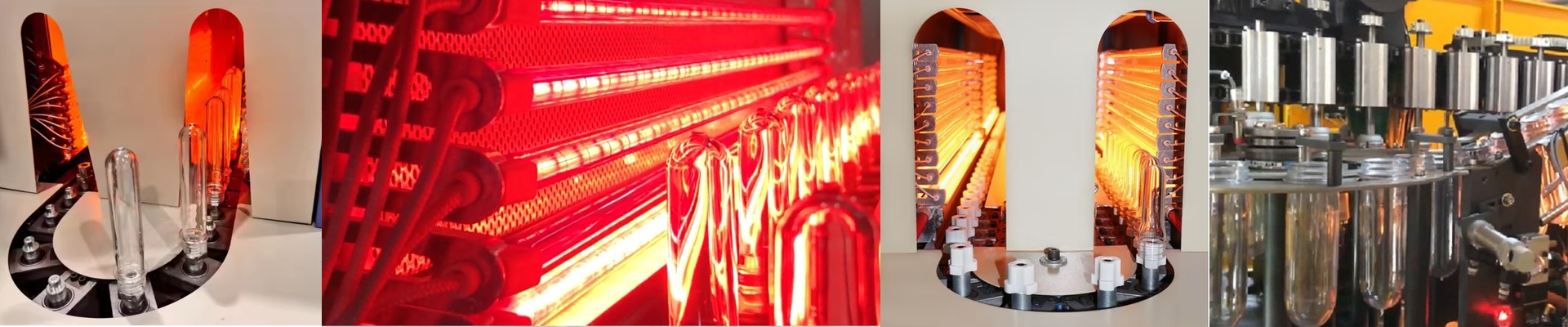
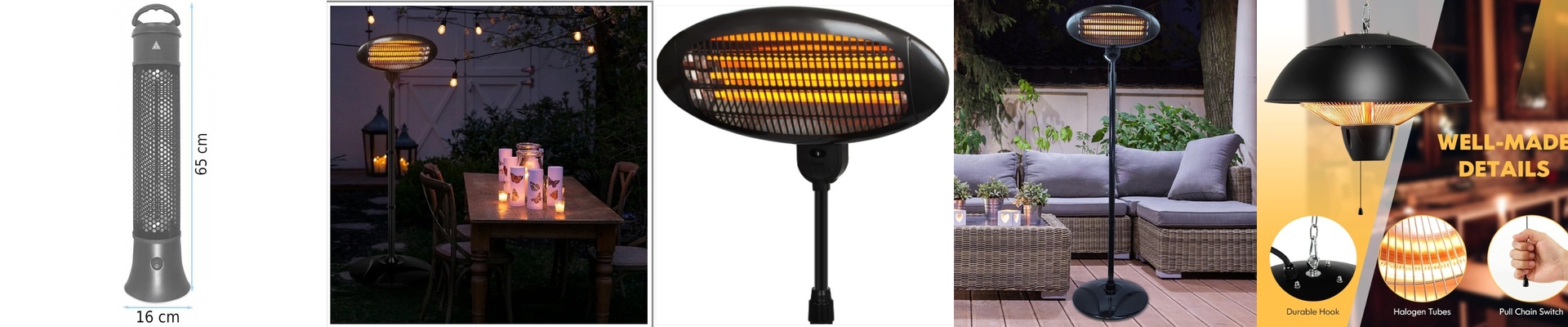
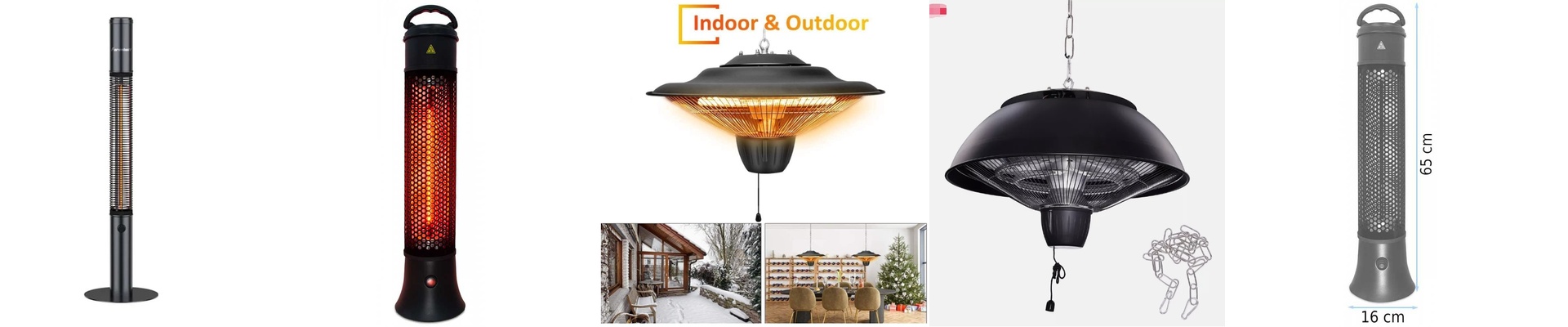
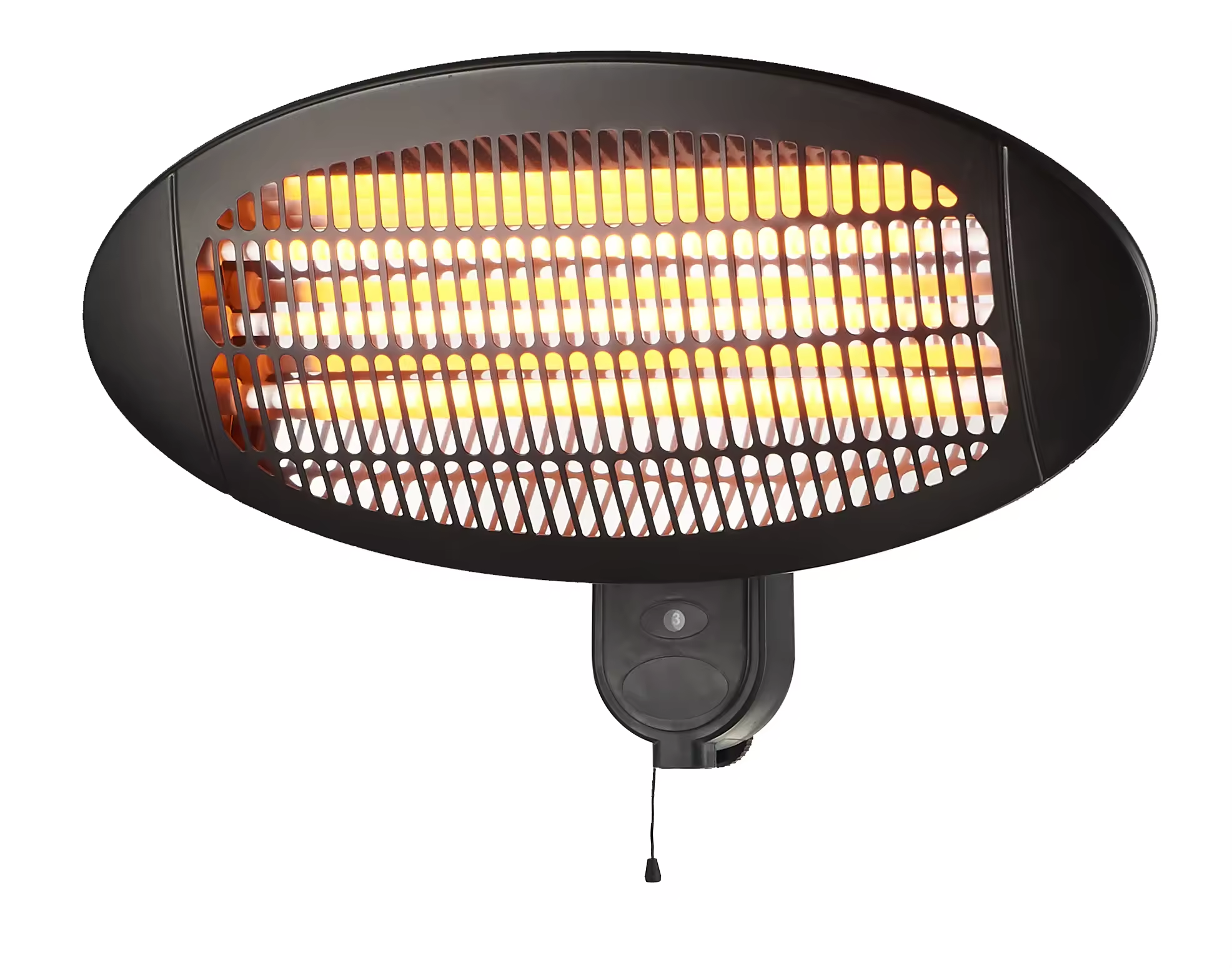
Building a bathroom heater isn’t as simple as just sticking a heating element in a box. You’ve got a few hurdles to jump—mostly figuring out how to keep water out of the electronics while making sure the light doesn’t mess with people’s eyes. Especially when it comes to babies, whose eyes are way more sensitive than ours. That’s why we go with an IP55-rated shell. It basically means dust and water sprays can’t get inside to fry the circuitry. The “Blinding Light” Problem Ever looked at a standard infrared lamp and had to squint? Those things put out a ton of high-intensity light that can cause serious eye strain or glare. Nobody wants a bathroom that feels like an interrogation room. To fix this, we tweaked the spectrum. We use special quartz coatings and filters to kill off that harsh UV range and the blinding visible light. You still get all that cozy heat hitting your skin, but you don’t have to wear sunglasses to take a shower. The Heat Trap Here is the tricky part: waterproofing usually means trapping heat. When you seal something up to an IP55 standard, you lose a lot of airflow. If you aren’t careful, the inside of the unit just cooks itself. We solved this by using high-temperature silicone sheathing on all the internal wiring. It can handle the heat spike inside the chassis without melting. One quick tip:**watch your mounting spot.**If you cram these into a tiny ceiling void with no breathing room, the thermal cutoff is going to trip and shut the whole thing down. Give it some space. Getting it Installed We wanted these to be a simple drop-in replacement for the fixtures you already have. We kept the wiring layout dead simple, so you aren’t fighting with waterproof gaskets for an hour just to get the power on. Now, there is a small trade-off. Because of that eye-protection coating, you lose a tiny bit of that raw, industrial-strength heat. But honestly? In a home or a nursery, that’s a trade I’ll make every single time. Safety first.