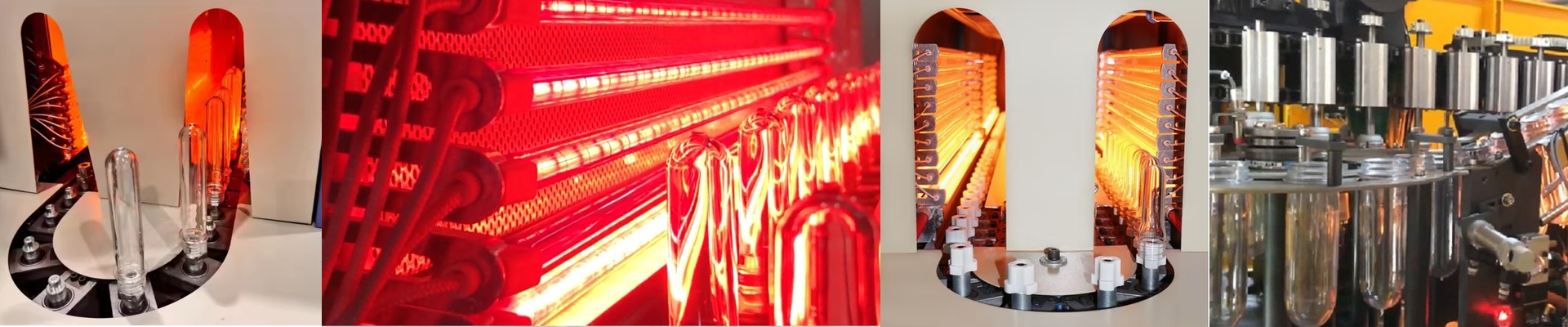
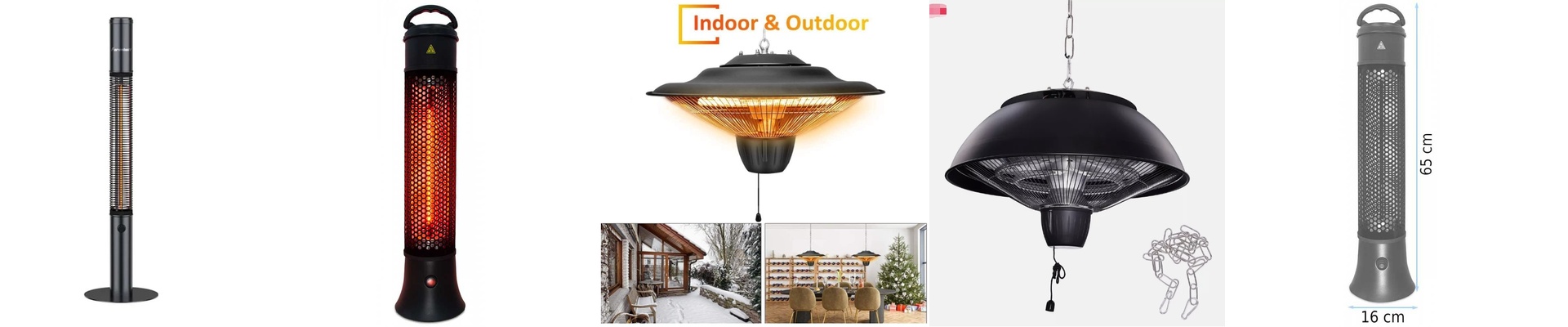
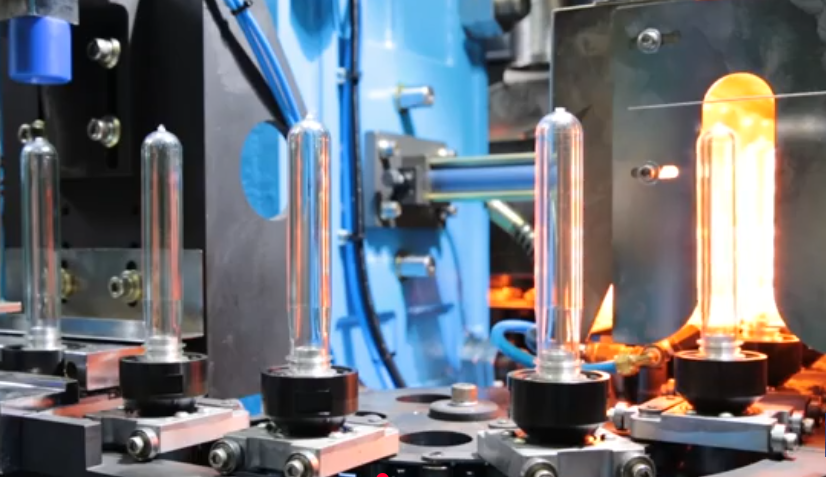
On the line, a PC baby bottle preform that runs too cool leaves stress lines. Too hot, and the material degrades. Either way, you’re burning material, losing cycles, and staring at a scrap pile that shows up in every shift report. Don’t let the name fool you—the heating lamp bulb in the tunnel isn’t a minor component. It’s the control point of the stretch blow molding process.
What matters, technically
We build the heating lamp bulb as a short-wave infrared emitter matched to polycarbonate absorption, using a quartz envelope and a halogen filament for fast response. Typical ratings run 200–300 W, 100–240 V, with an R7s base and a compact length that fits standard blow molder reflectors. The geometry is set to give you a tight hot zone—so the preform neck stays protected while the body hits stretch temperature quickly. In practice, that means a repeatable heating curve, not a guess.
Why it holds up on real machines
On blow molding machines—Sidel, Krones, SIPA, Husky, SACMI, Nissei ASB—the heating tunnel needs stable, uniform heat to keep the preform in a narrow temperature window before stretching. Our lamp bulb matches OEM heating profiles, so you can keep the same cycle settings without chasing hot and cold spots. Operators see fewer rejects from uneven wall thickness, and you get more consistent bottles per hour. Energy use drops because the emitter heats on demand and holds temperature without overshoot.
The details that keep you out of trouble
Installation is straightforward, but reflector cleanliness and alignment matter. A misaligned reflector scatters heat and drifts the heating window. And the lamp bulb is sensitive to thermal shock—let the heating tunnel come up gradually from a cold start to protect the quartz. If your machine uses a different connector or mounting, confirm the dimensions and wiring before ordering so the swap is a direct fit.