Why Fast Heat-Up Isn’t Optional—It’s Survival
Picture a dinner rush. Tickets are flying, the line is out the door, and your oven has to be ready—now. In a commercial kitchen, the heating element isn’t just a piece of hardware. It’s the engine behind every plate that leaves the pass. We built our ceramic infrared element around one idea:second-level response. Because when service hits, you can’t wait around. You need heat that jumps to your setpoint and stays steady, even when you’re cranking out back-to-back orders.
Power, Voltage, and Size: The Real-World Numbers
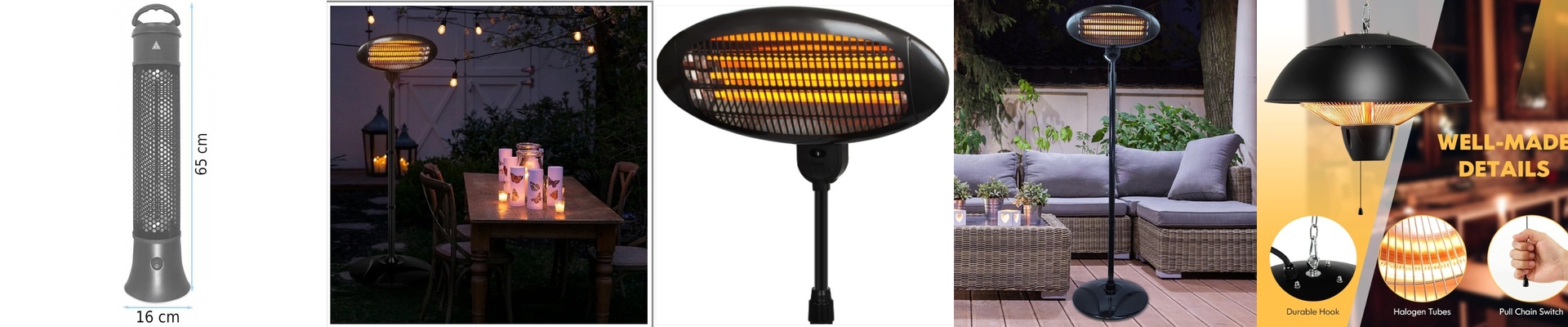
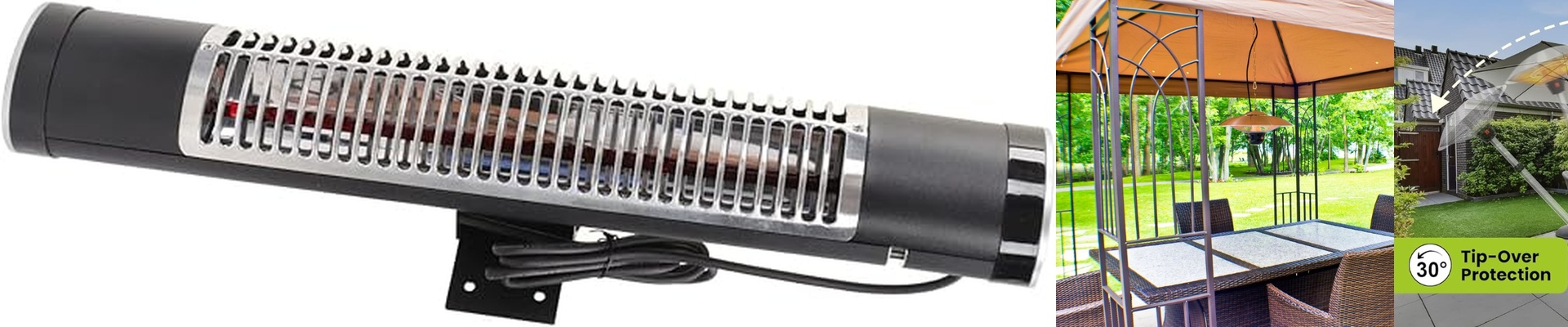
Here’s what matters on the line: predictable heat, every time. Our element runs on a high-voltage supply—typically 400V—so it can dump energy fast without overloading the circuit. The wattage is matched to the oven cavity, often around 2500W for commercial units, giving you the heat density needed to crisp, brown, and cook evenly. And the tube length? Around 300mm, sized to fit standard oven footprints. That compact shape gives you more radiant coverage inside the chamber, so you can improve airflow and heat transfer without redesigning the whole oven.
The Materials That Make It Tough
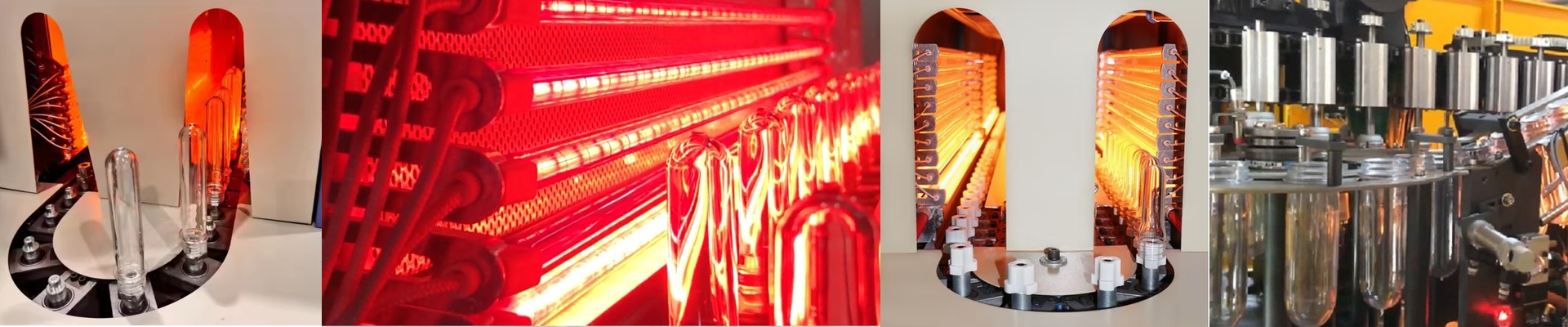
We use a halogen-filled quartz tube because speed matters—and because the kitchen is brutal. The halogen cycle helps keep the filament stable at high temperatures, so performance doesn’t fade as quickly over time. And the quartz body handles thermal shock, so the element can go from cold to full-on without cracking. Then there’s the connector: R7s. It’s simple, practical, and designed for high current. You wire it up, mount it, and it sits flush. No wrestling with custom terminals. No headaches when it’s time to swap it out.
What It Feels Like on the Line
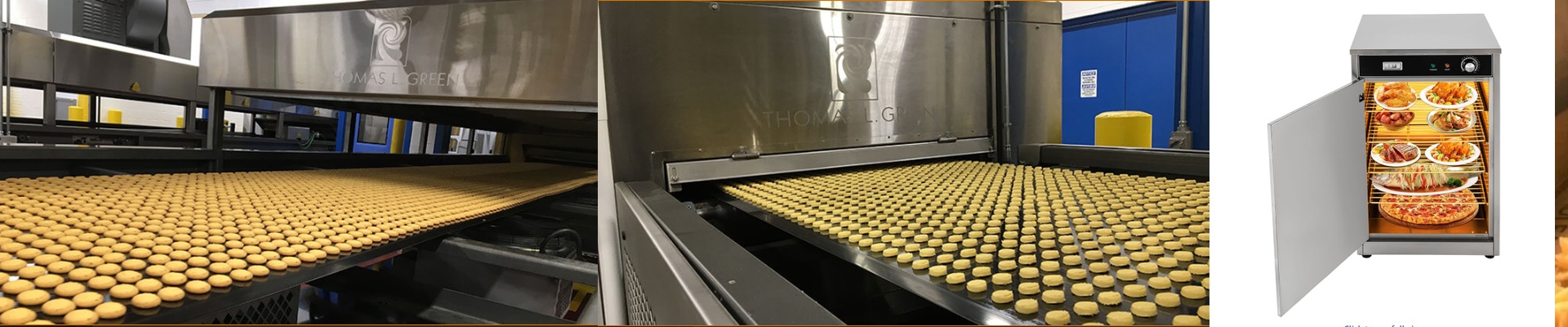
In service, this setup means your oven recovers faster, holds temperature more tightly, and keeps output consistent even during peak rushes. Preheat gets shorter. The oven stays ready between batches. You’re not waiting on heat—you’re moving with it. There is one thing to plan for, though. That intense heat density needs proper cooling and ventilation. If the oven enclosure can’t shed ambient heat, the control electronics will run hotter. Set up your thermal management upfront, and you get a system that keeps pace shift after shift. Because in a busy kitchen, seconds aren’t just seconds—they’re margin. And heat that responds instantly? That’s the kind of reliability you feel in your bones when the rush hits.