Why Ruby Infrared Heating is a Lifesaver for Tough Bakes
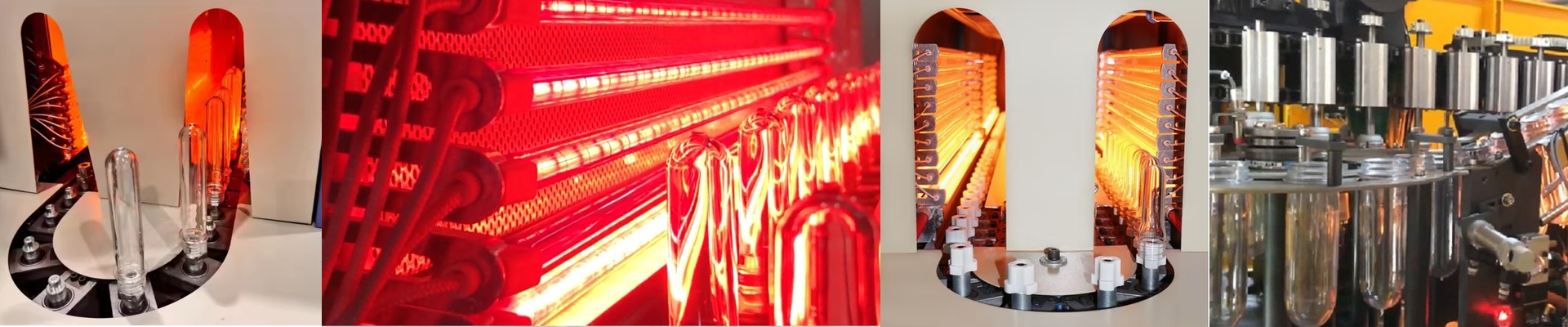
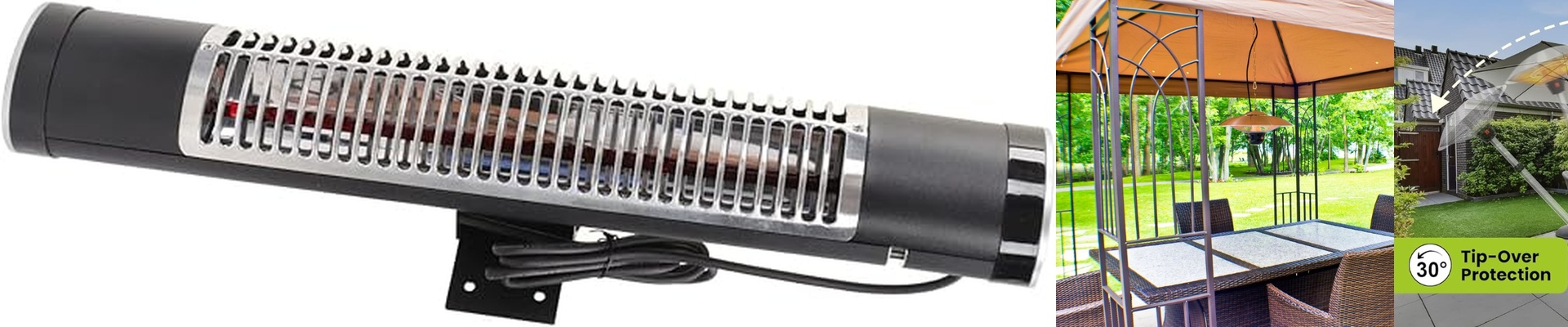
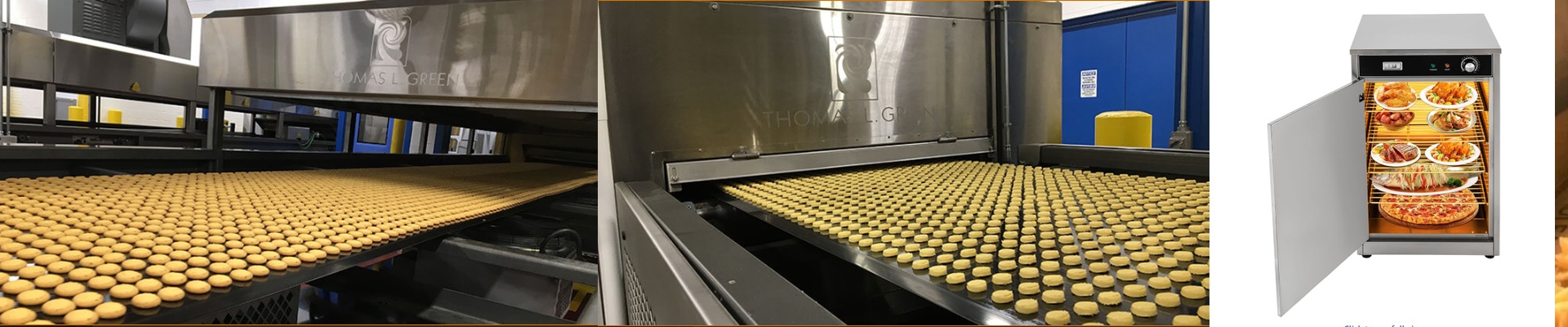
If you’ve ever tried a high-difficulty bake, you know the struggle. It’s not about just cranking up the heat; it’s about hitting those exact temperature marks without accidentally torching everything. That’s where ruby-coated quartz bulbs come in. Instead of just warming the air, these lamps push short-wave infrared energy straight into the surface of your food. It’s fast. Really fast. And that changes everything.
Getting the Timing Right
Most heating elements are just too bulky. They take forever to warm up and even longer to cool down, which makes precision basically impossible. Ruby bulbs are different. They hit full power in a matter of seconds. When you hook these up to a PID controller and an SSR, you can play with something called pulse-width modulation. I like to think of it as a “second-level start-stop.” By flickering the power on and off every few seconds, you can nudge the temperature up in tiny steps. This is the secret to getting that perfect core temperature in your dough without turning the crust into charcoal.
Setting It Up
These bulbs pack a massive amount of heat into a tiny space. You’re getting a lot of energy hitting a small area, which is exactly what you want. Just a heads-up: use high-temp leads for the wiring. And don’t let the ruby coating fool you—it’s not for aesthetics. It actually tweaks the heat spectrum so the energy goes into your food, rather than just heating up the oven walls.
The Reality Check
Now, there are a few things to watch out for. High-wattage lamps put a lot of pressure on your electronics. If you’re running a few different heat zones, make sure your power supply can handle that initial surge of current when things kick on. Also, these things gethot. If your vents aren’t pulling that heat away from the sockets, you’re going to melt your connectors. Keep the airflow moving, and your lamps will last a whole lot longer.