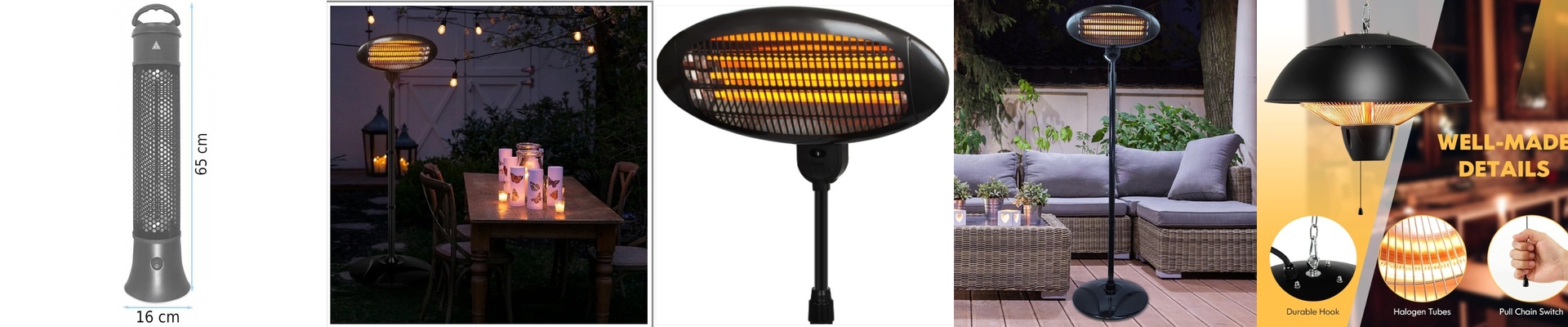
Stop Waiting on Your Oven: How 110V Halogen Lamps Fix Your Bottleneck
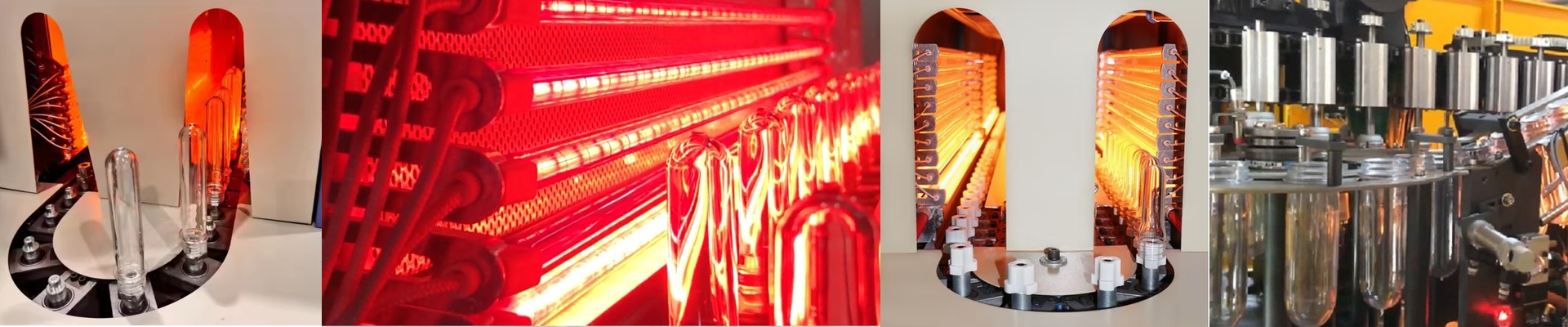
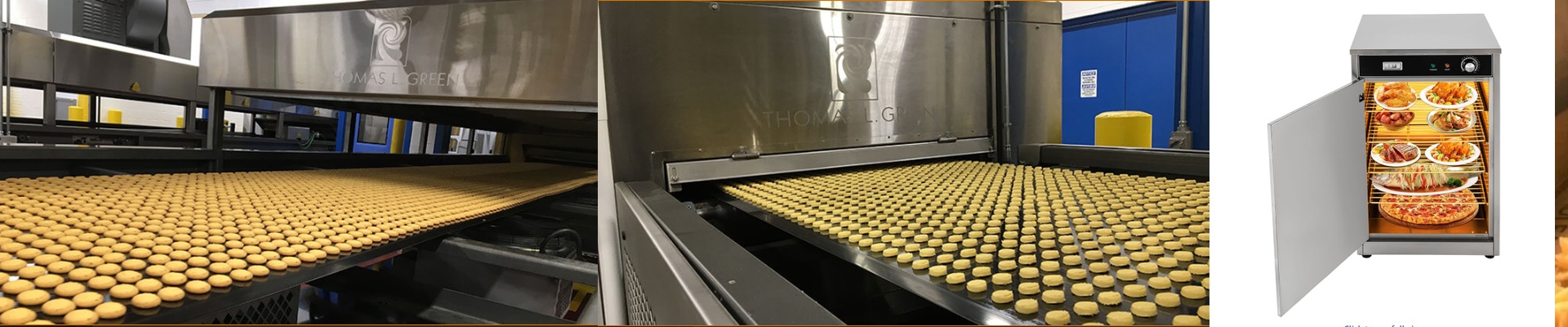
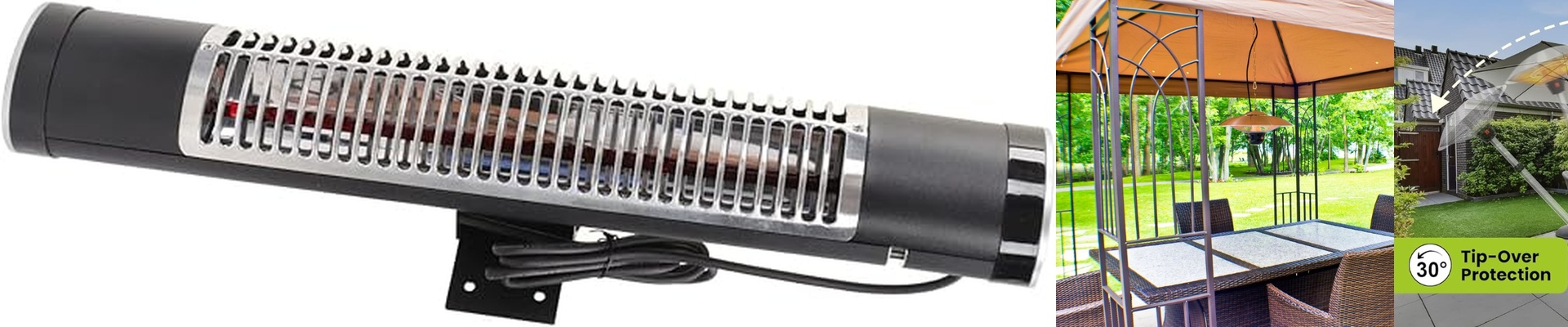
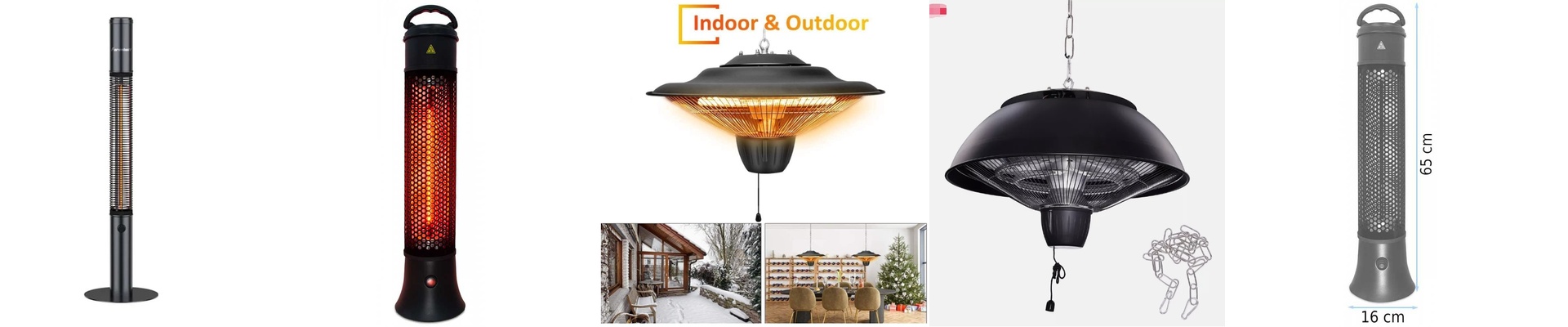
Ever feel like your kitchen line is moving at a snail’s pace just because you’re waiting on the heat? It’s frustrating. You’ve got orders piling up, but your oven is still trying to get back up to temp after you opened the door for the tenth time. Standard heating coils are slow. They’re just too slow. That’s why we switched to 110V shortwave halogen lamps. Why they actually work Here is the secret: these lamps don’t waste time heating up the air around the food. Instead, they shoot shortwave infrared radiation straight into the surface of whatever you’re cooking. It’s nearly instant. Because they hit full power in a heartbeat, your oven recovers its temperature in seconds. No more standing around staring at a thermometer while your tickets pile up. Your workflow just… flows. Getting them installed The hardware is pretty straightforward. These lamps use a quartz envelope to keep the halogen gas in, which stops the filament from frying itself too quickly. We usually go with R7s or similar snap-in connectors. It makes them a breeze to swap into your existing setup. But a word of warning:Watch your footprint. These things pack a ton of energy into a tiny space. You need a housing that can actually handle high-intensity IR, or you’re asking for trouble. Also, keep your reflectors clean. If they get pitted or greasy, you’re losing heat, which forces the lamps to work harder and kills their lifespan. The catch (and how to handle it) Now, it’s not all magic. The speed comes with a trade-off: intensity. Since the heat is so concentrated, it’s easy to char the outside of your food while the middle is still cold. To stop that from happening, you can’t just “set it and forget it.” You’ll want a precise PID controller or a timed pulse system to keep things under control. And for the love of everything, use high-temp leads for your wiring. If you use cheap insulation, it’ll melt into a puddle within a week.