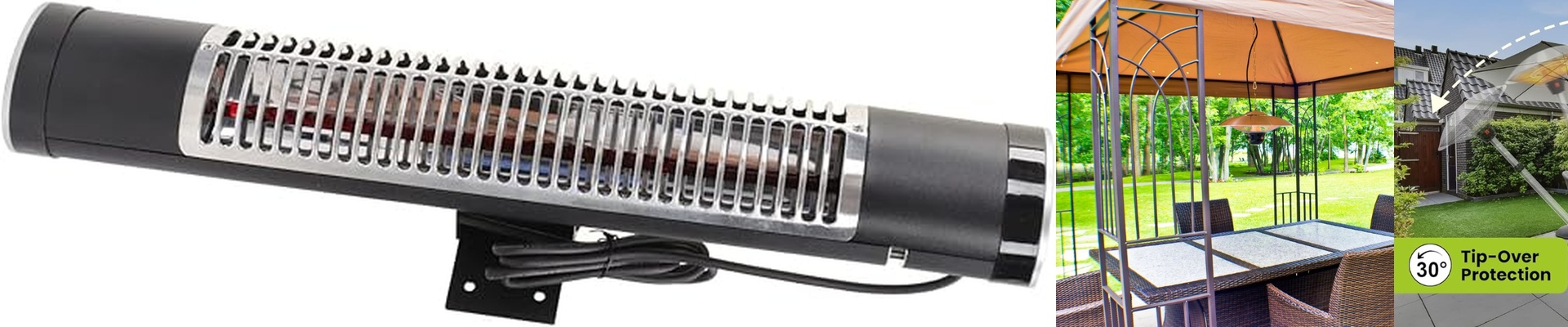
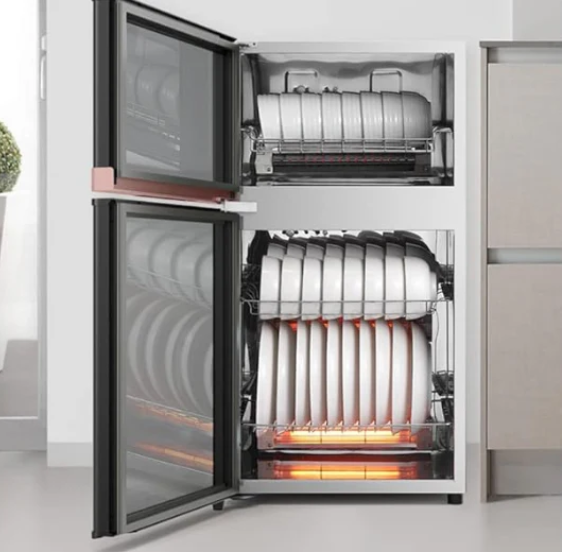
When the bottom heat on a deck oven starts to die, the whole line feels it. Crusts come out washed-out, cheese won’t blister the way you need, and you’re stuck chasing the temperature instead of running the board. In a busy pizzeria or bakery, a weak heating element doesn’t just tank one order—it throws off service from open to close.
What matters under the hood
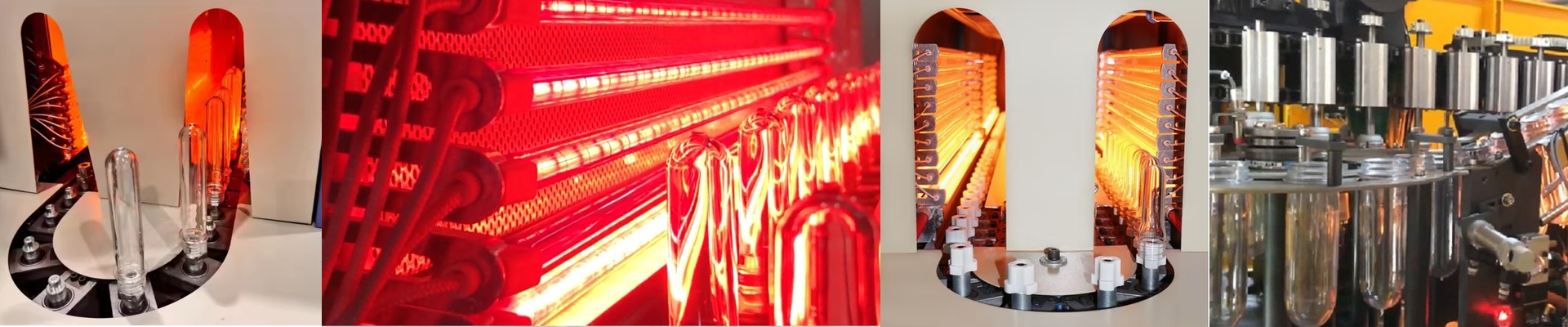
We built this replacement heating bulb around high-temperature quartz because it can take rapid on/off cycling without cracking, and it delivers steady infrared output. It’s a direct-fit lamp for professional pizza ovens, available in standard voltages (120V/240V options) with common mounting bases, so it drops into existing sockets without rewiring. The filament layout spreads heat across the baking chamber instead of creating a single hot spot. In real life, that means the stone hearth recovers faster after a rush, and the oven holds setpoint with fewer swings.
Why this matters where you’re running
In a deck oven or rotary oven, bottom heat is what drives crust formation and caramelization. When the bulb is tired, bake time stretches and consistency turns into a guessing game. This replacement gets the bake chamber back to target quickly, so you hit the same bake window from the first pie of the day to the last. Faster recovery between orders keeps tickets moving, and stable temperature means fewer over-baked edges and undercooked centers. You’re not running the oven longer than you have to, so energy per bake cycle drops, and the longer service life means fewer interruptions for swap-outs.
What to watch for
Install is straightforward—verify voltage, power the unit down, and check socket condition before swapping—but always confirm compatibility with your specific oven model. These bulbs run hot, so keep grease buildup away from the assembly and let everything cool completely before you touch anything. They’re designed for commercial pizza ovens; if you put them in enclosed cabinets not rated for that heat profile, you’ll shorten the service life.