Stop the Bathroom Mold Before It Starts
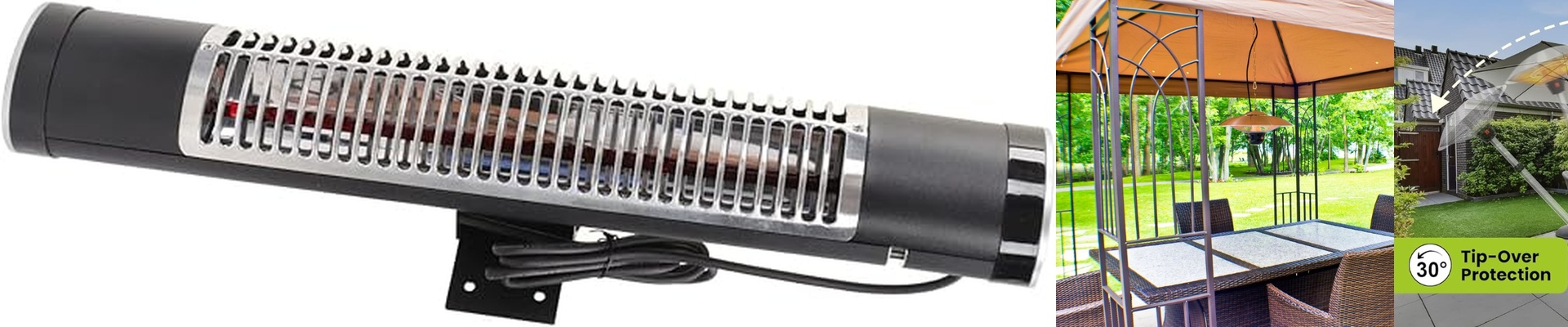
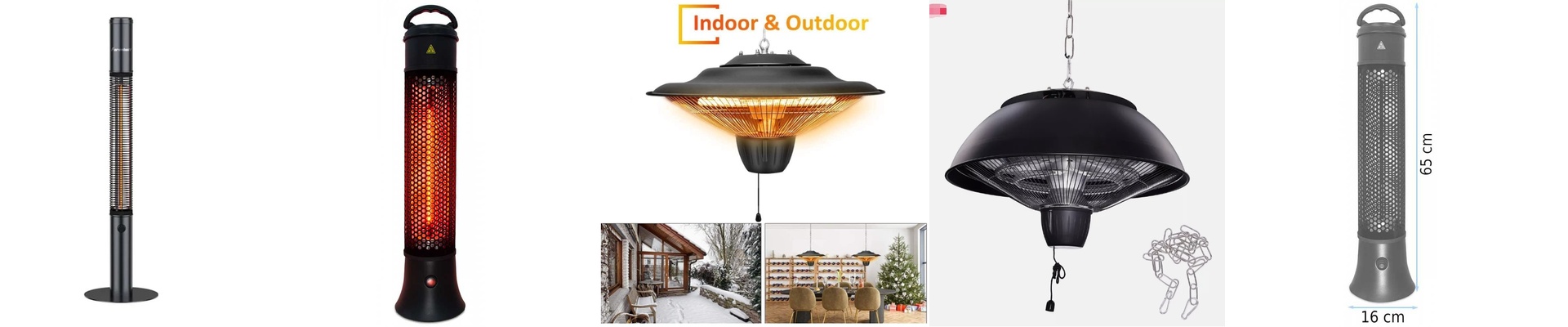
Most of us just think of those bathroom heat lamps as a way to stop shivering while we get dressed. But if you look at them from an engineering perspective, they’re actually doing something way cooler. We use shortwave infrared (SWIR) to go after the damp spots—like your mirror and those annoying wall corners—to kill the mold problem before it even begins. How it actually works Standard heaters just warm up the air. The problem? Air is terrible at moving heat around. Shortwave IR is different. It sends out energy that actually sinks into the surface of your walls and mirrors. When those waves hit water molecules, they make them vibrate. This turns that lingering moisture into vapor almost instantly. We tune these lamps to a specific wavelength (between 0.76 and 1.5 $\mu\text{m}$). This means the heat doesn’t just drift around the room; it pushes the moisture right out of the porous surfaces. By keeping the walls warm and dry, you’re basically taking away the “food” and home that mold needs to grow. The nuts and bolts We build these with tungsten filaments inside quartz glass. I won’t compromise on the quartz. It’s the only thing that can handle the shock of a freezing bathroom without cracking, and it won’t corrode when the room gets steamy. Of course, there’s a trade-off with power. A high-wattage lamp will clear a foggy mirror in a heartbeat, but it puts a lot of stress on your electrical circuit. Plus, if you go too powerful without a good vent, you might overheat the fixture itself. To keep things from burning out, we suggest using a timed relay. It stops the lamp from clicking on and off constantly, which saves the filament from wearing out too fast. Putting it to use If you’re installing these, aim them at a 45-degree angle toward your mirror and the dampest parts of the room. This gives the IR waves the best “throw.” The result? A dry surface that fungal spores just can’t stick to. It’s less about feeling cozy and more about keeping your bathroom actually clean.