
Why most bathroom heaters actually quit on you
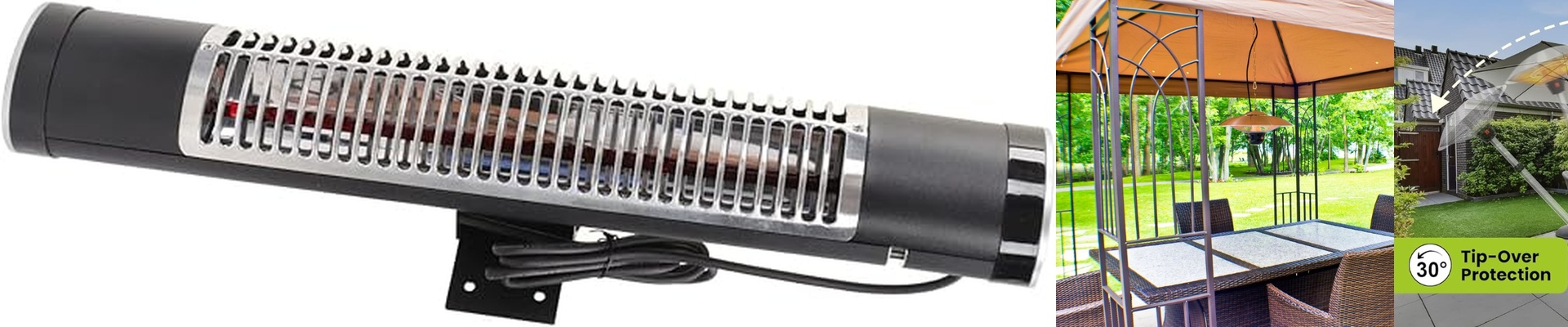
Let’s be honest: bathrooms are a nightmare for electronics. You’ve got thick steam, constant humidity, and those wild temperature swings that happen the second you step out of a hot shower. Most infrared lamps don’t die because the heating element is “bad.” They die because moisture sneaks into the seals and electrical contacts and just eats them alive. The battle against the damp We spend a lot of time putting our wall heaters through “damp-heat” tests. Why? Because oxidation is a silent killer. When water vapor gets inside the lamp housing, it goes straight for the tungsten filament and the electrodes. We basically put these units in a humidity chamber and torture them for days to simulate years of real-world use. If that quartz tube seal isn’t 100% airtight, the whole thing burns out in a few hours. It’s a brutal test, but it’s the only way to be sure. The nitty-gritty stuff Our lamps use shortwave infrared. It’s the kind of tech that gives you that instant, “ahhh” heat the moment you flip the switch. But that heat creates its own problems. If you use cheap glass, a splash of cold water on a hot lamp will make the tube crack. That’s why we use specific quartz grades that can handle the shock. Then there are the connectors. We don’t use cheap plating. If you do, the contacts start to pit and arc, and suddenly your circuit is dead. Finding the sweet spot Everyone wants a high-wattage lamp because it heats up fast. But there’s a catch. More power puts way more stress on your wiring. You have to make sure your bathroom’s electrical setup can actually handle that peak load. Plus, if you push the wattage too high without enough airflow, the housing starts to wear down way faster than it should. We don’t like guessing when it comes to how long a product lasts. Instead, we just run our units until they literally break. It’s the only way to find the weak spots—which are usually the gaskets or the wire insulation. We’d rather break a hundred units in our lab than have one of yours trip a breaker or die six months after you’ve installed it.