Stop Letting Your Patio Go to Waste in the Winter
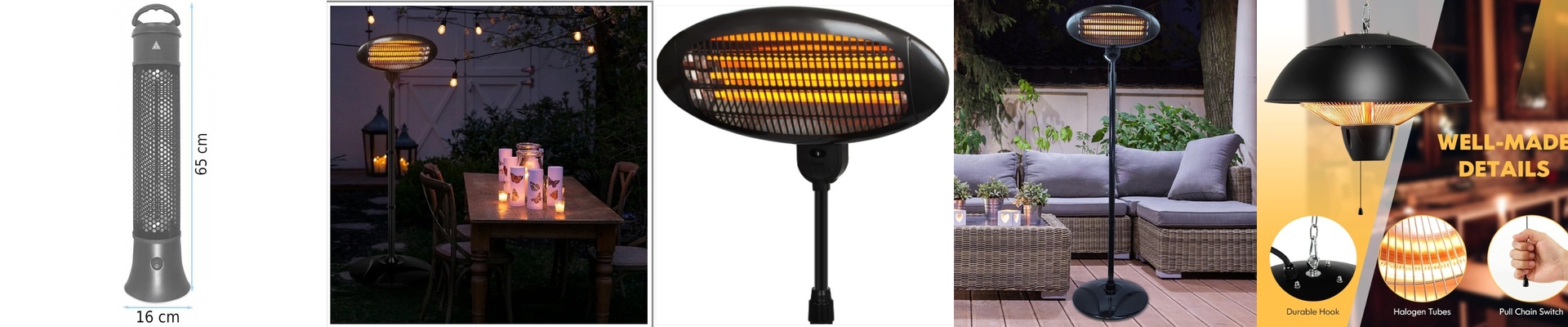
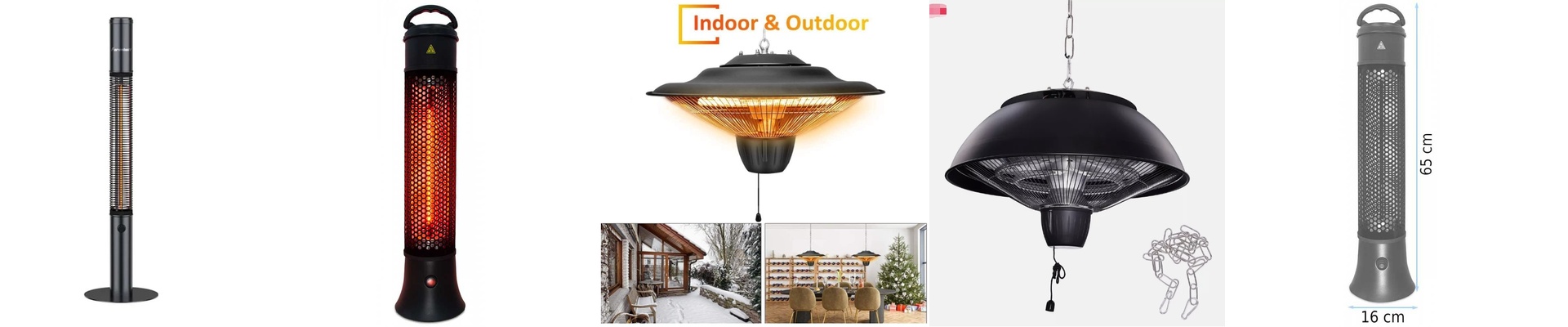
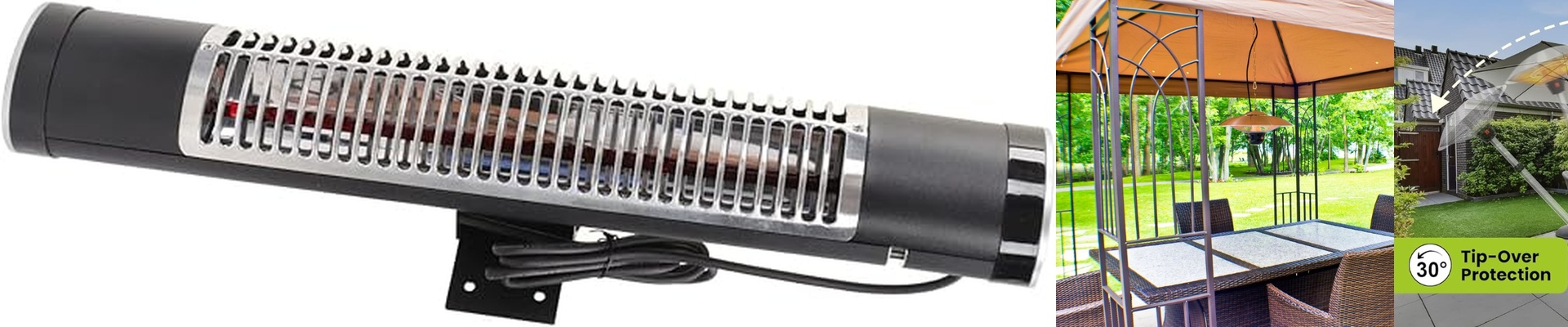
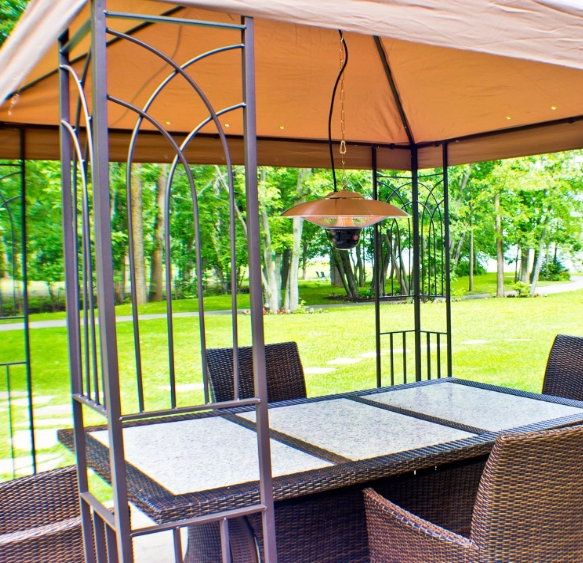
It’s a frustrating sight: a beautiful outdoor dining area sitting completely empty just because the temperature dipped. Most people try to fix this with those loud, forced-air heaters, but here’s the problem—you can’t actually heat the wind. It just blows away. That’s why we use shortwave infrared (IR) heaters. Instead of trying to warm up the entire outdoors, these target the people and the furniture. It’s a different approach that actually works. Why shortwave? Think of it like standing in the sun on a crisp autumn day. You feel that warmth hit your skin instantly, even if the air around you is chilly. Shortwave emitters do the exact same thing. The heat travels in a straight line, ignores the breeze, and creates a cozy little bubble around the table. When your guests feel that immediate warmth, they stop shivering. And when they stop shivering, they stay. The impact on your wallet This isn’t just about being nice to your customers; it’s about the math. When someone is freezing, they want to leave. They’ll skip dessert and skip that second glass of wine just to get inside. But if they’re comfortable, they linger. That’s how you grow your average check size without even trying. Plus, you get to use your entire floor plan all year. No more shutting down half your seating for four months of the year. You keep your capacity at 100%, regardless of what the weather app says. A few things to keep in mind You can put these on the ceiling or mount them to the walls. Just a tip: pay close attention to the spacing. You don’t want “cold spots” where one guest is toasty and the person next to them is freezing. But, a word of caution on the electrics. These units pull a lot of power. If your wiring is old or your panel is already maxed out, you’re going to trip a breaker right in the middle of the Friday night rush. Definitely have an electrician check your load before you flip the switch. Also, remember that this isn’t “space heating.” The second a customer steps out of the beam, the heat is gone. It’s a localized solution—perfect for a table, but not for warming up the entire sidewalk.