Stop Fighting Your Multi-Deck Oven
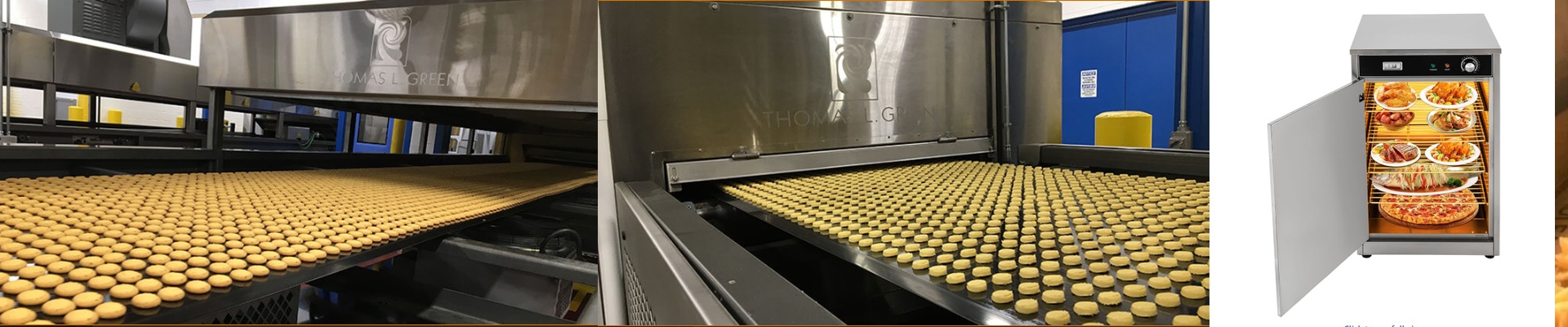
If you’ve spent any time in a bakery, you know the frustration. You put a tray of loaves in the bottom deck and another on top, and ten minutes later, you’ve got a disaster. The top deck is always too hot because heat rises. It’s a constant battle of rotating trays and hoping for the best. We decided to stop fighting the physics and just fix it. Instead of relying on old-school convection or bulk heating, we switched to stainless steel infrared (IR) tubes. Here’s why that actually matters.
Control Every Layer
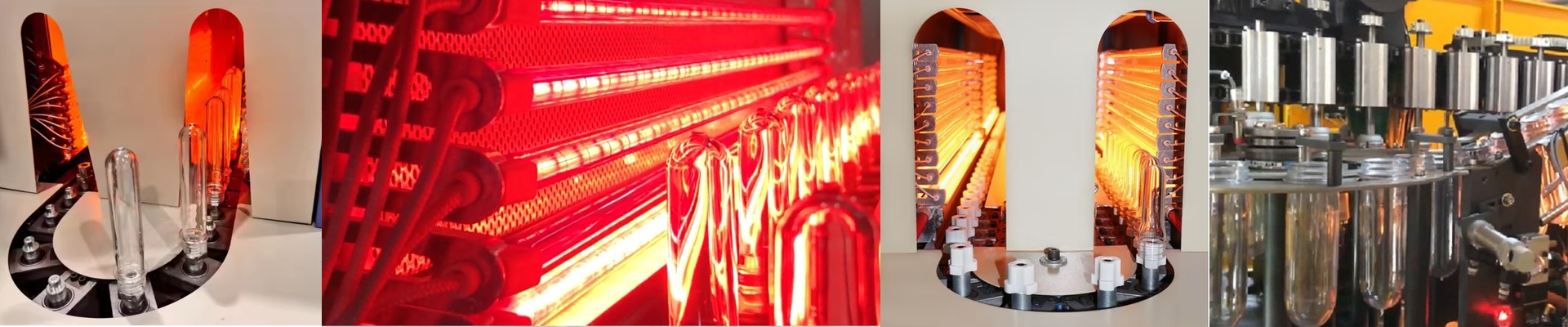
Standard ovens usually share one big pocket of air. That’s where the trouble starts. IR tubes work differently. They send short-wave radiation straight into your dough without having to warm up all the air around it first. The real magic happens when you give every deck its own PID controller. Now, you can actually tell the bottom deck to run at 180°C and the top at 170°C. You’re basically cancelling out that natural heat climb. No more guessing. No more burnt tops.
The Nitty-Gritty Stuff
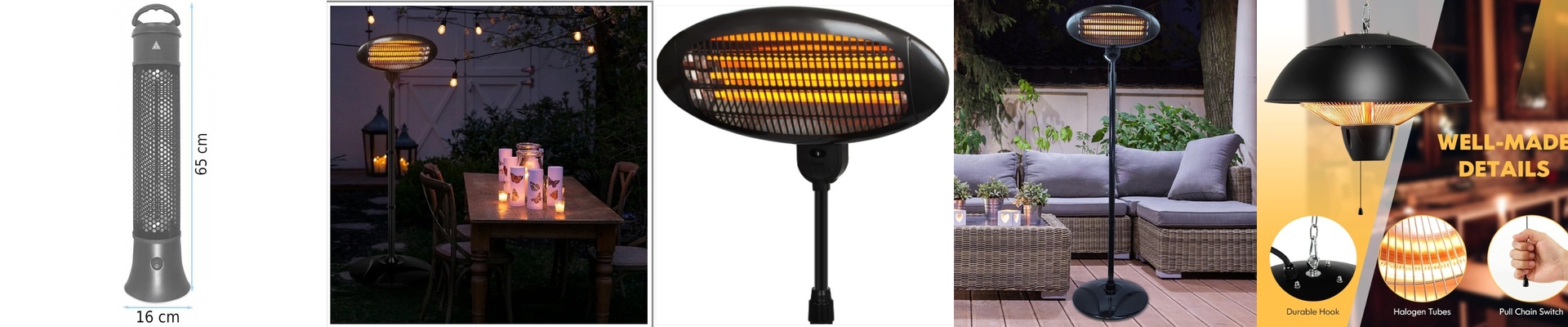
Bakery kitchens are brutal. They’re humid, greasy, and hot. That’s why we wrapped these tubes in stainless steel—they can take the abuse. Inside, the heating elements are built for high wattage density. Which is just a fancy way of saying they hit your target temperature in seconds. But a quick heads-up: these things pull a lot of power. If you’re swapping these into an old oven, please check your breakers. You don’t want to be in the middle of a morning rush only to have the whole system trip because you’re pulling too much current.
Easy Setup, Less Stress
We designed these as drop-in replacements. You don’t need to rebuild your entire kitchen. We use heavy-duty connectors because the last thing you want is an arc-over in a high-heat zone. Plus, since there are no fans pushing the heat around, there are fewer parts to break. If a tube eventually gives out, you just swap it and keep moving. You don’t have to tear the whole machine apart. Just one tip: make sure the tube is seated firmly. If it’s loose, you’ll get hot spots that can warp your oven frame over time. Get it snug, and you’re good to go.