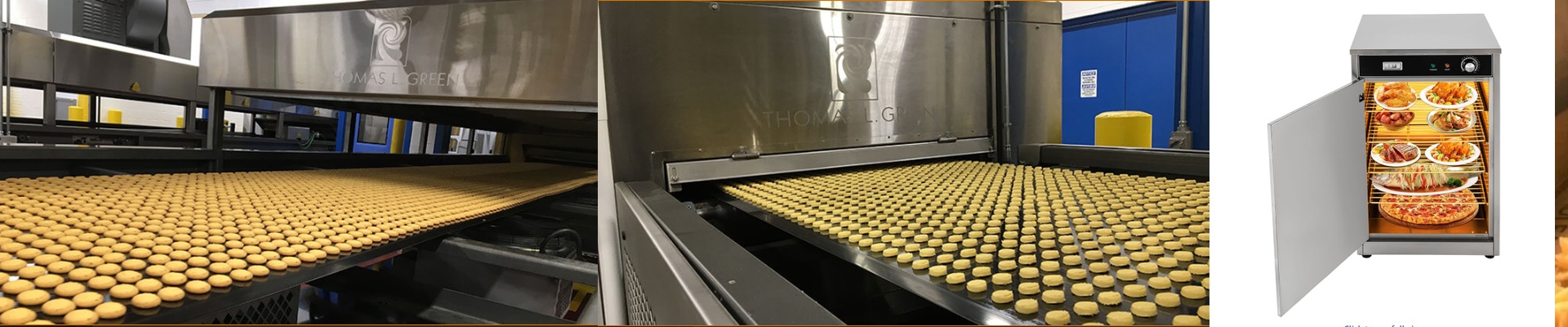
When service hits, the line doesn’t have time to wait on a warming station that can’t keep up. Preheat lag and uneven holding temps slow ticket times, dry food out, and push cooks into scrambling. A weak infrared tube turns a holding station into a bottleneck.
What matters, technically
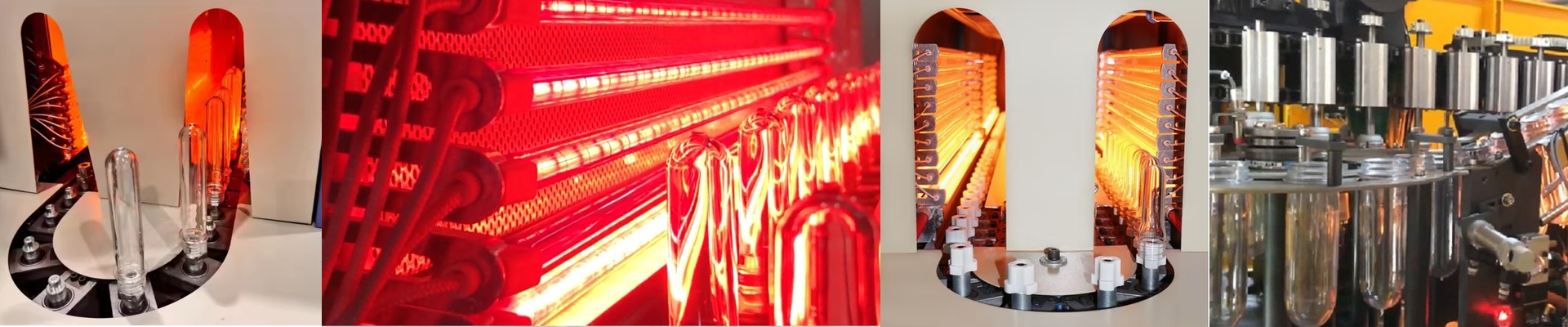
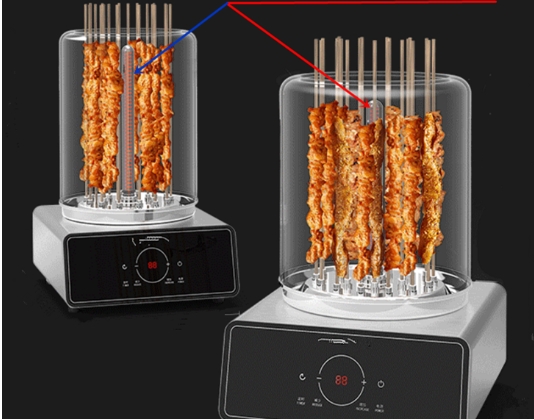
We built this replacement infrared tube for pro warming stations, using a quartz envelope and a medium-wave profile that dumps heat right into the product, not just the air around it. Power ratings run 1.5–3.0 kW, with 120V or 240V options, so you can match the draw to your circuit and your load. The tube length and end-cap geometry are spec’d to drop into common warming cabinet footprints, and the filament support inside is shaped to resist sagging and hot spots. It comes up fast—often under 10 seconds to hit holding output—and the radiant output stays even along the tube, which means fewer temperature swings at the pan.
Why it holds up in a real service
During a busy pass, you need heat that answers immediately. The quick start cuts idle time between batches, and the even radiant field keeps pans at stable holding temps, so sauces stay glossy and proteins hold their finish without overcooking. Because the energy goes straight where it matters—into the food—you can run shorter warm-up windows and use less juice during long holding shifts. In practice, that means more consistent pass times, fewer compromised plates, and less waste.
The details that make the difference
Installation is straightforward, but you still have to match mounting brackets, terminal blocks, and polarity to your warming station. Pin spacing and lead length vary by brand, so don’t assume a universal fit. Keep the tube clean and clear of grease buildup; a film of oil robs output and creates uneven heating. **Tube life takes a hit when you ride the on/off switch.**Run the unit at a steady holding temperature instead of chasing peaks and valleys. If your cabinet uses a thermostat, check its cycle rate—rapid cycling will shorten any tube.