Stop Fighting Temperature Swings in Your SIPA Rotary Machines
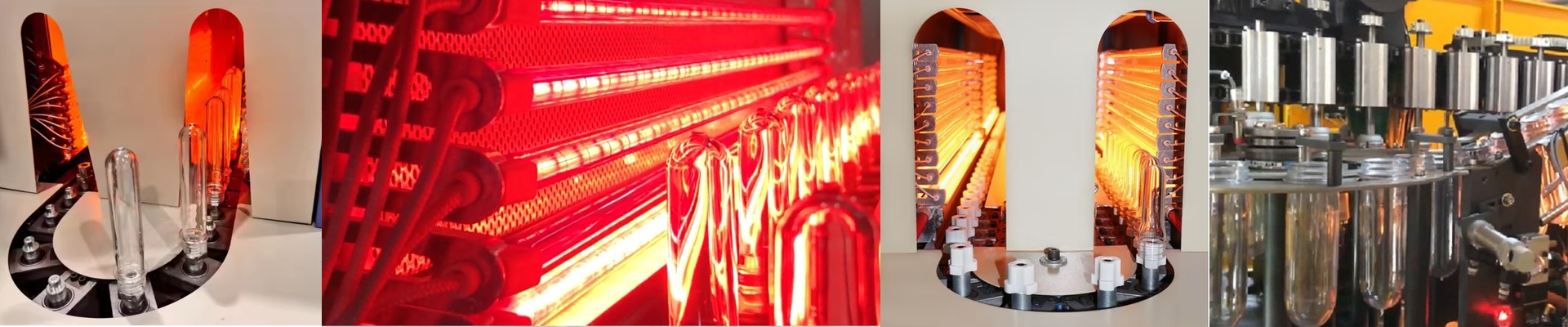
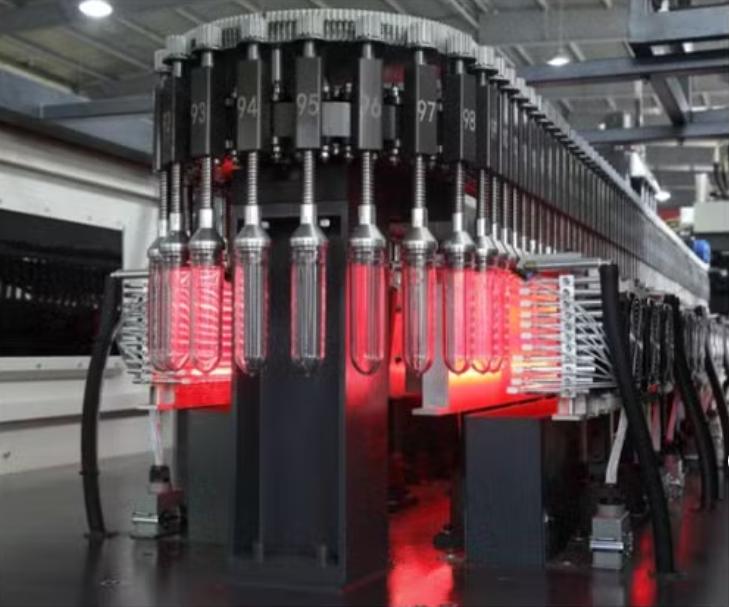
If you’re running SIPA rotary machines, you’ve probably dealt with that annoying frustration: wall thickness variations or that cloudy, pearlescent look in your PC and PET bottles. It’s a headache. Most of the time, the culprit is a simple power mismatch. Here is how it usually happens. A lamp burns out, someone grabs a generic replacement that looks right, but the wattage or voltage is slightly off. Suddenly, you’ve got a hot spot or a cold spot in your oven, and your quality takes a hit. Getting the power right We make our infrared lamps to hit SIPA factory specs exactly. Now, a 1% difference in wattage might sound like nothing, but it actually changes how the heat hits the preform. We use high-purity quartz glass so the shortwave radiation goes straight into the PC material. It doesn’t waste energy heating up the oven walls; it puts the heat where it actually belongs. And for those of you on high-voltage setups, stability is everything. We build our filaments to handle your specific machine voltage so you aren’t replacing burnt-out tubes every other week. No fuss installation We use standard R7s or SK15 connectors. They just slide right in. No rewiring, no complicated setup, no downtime. Plus, we coat the quartz envelope to shift the emission spectrum. This means the heat focuses on the body of the preform instead of accidentally baking the neck or the base. A quick word of caution High-wattage lamps are great because they give you the heat density you need for fast cycles. But there’s a trade-off. These lamps put more pressure on your cooling fans. If your ventilation is clogged with dust or debris, the lamps will run too hot and die early. Keep your blowers clean. It’s a simple step, but it makes your tubes last way longer. When your power output actually matches, you can stop messing with your PID tuning. You can stop chasing settings and just start hitting your target wall thickness every single time.