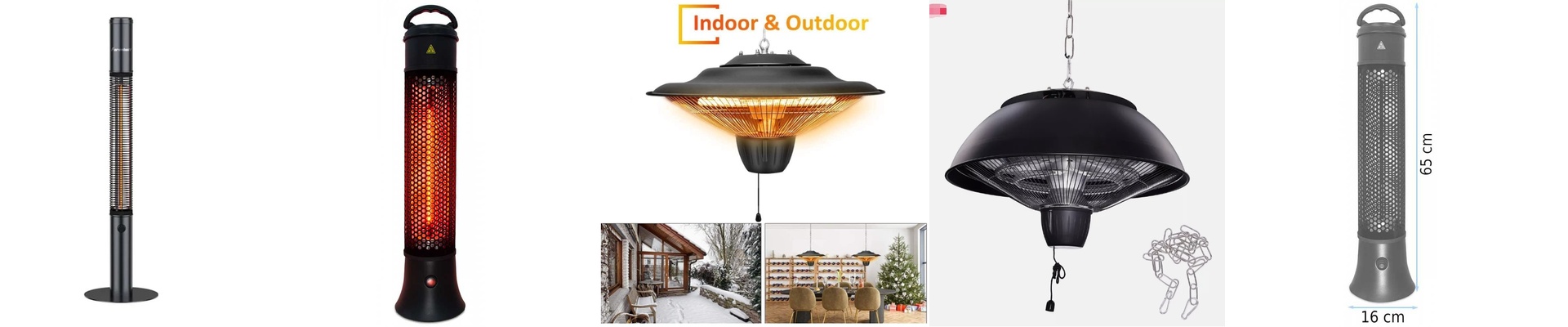
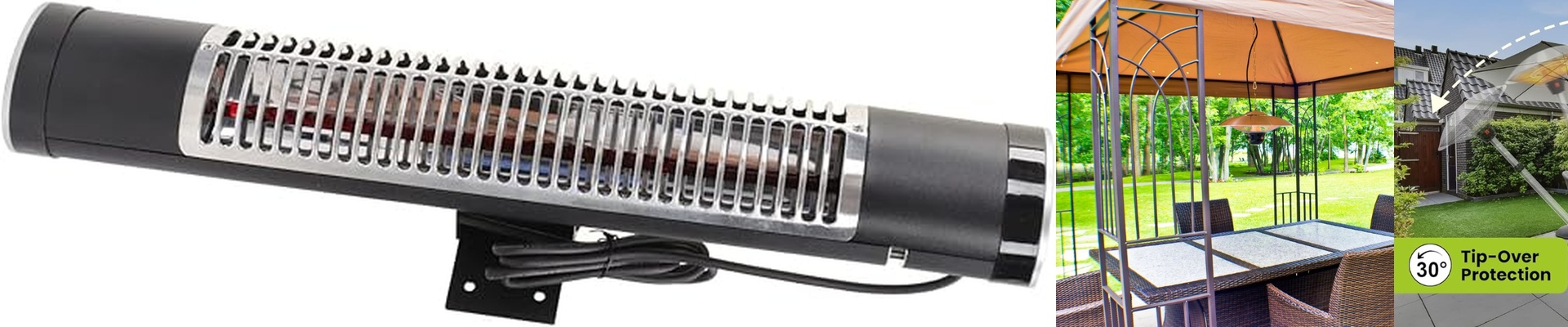
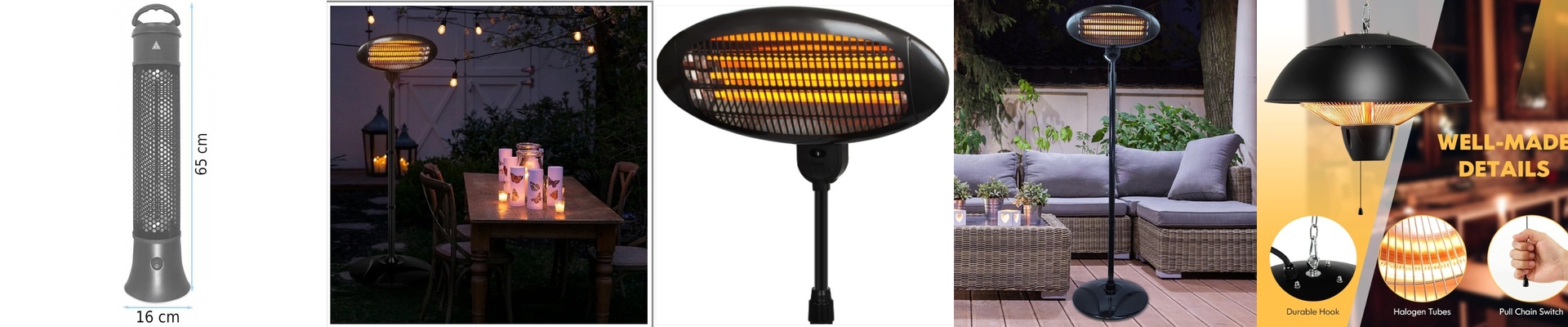

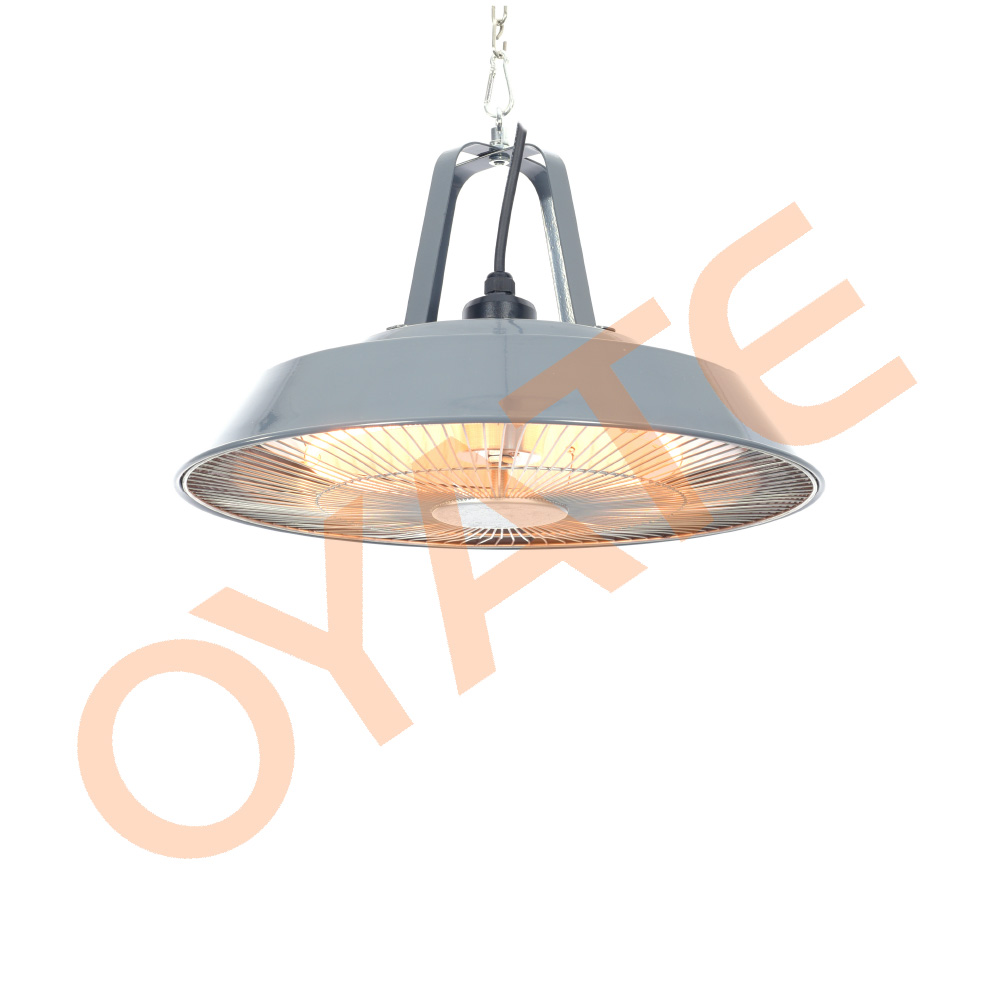
Walk the line with me and you’ll hear the steady drone of test racks, every unit running wide open before it ships. We do this because comfort that folds when the air turns cold isn’t comfort at all. With our infrared heaters, that pre-delivery run-in isn’t just paperwork. It’s how we make sure the heater in your living room or on your covered patio hits hard, holds steady, and keeps your space protected. What matters under the hood Infrared warmth is radiant, not forced air, so you feel the heat within seconds. Inside, a carbon fiber element or quartz tube lays down even coverage with minimal glare. Tip-over protection kills power the instant the heater is knocked over, and an overheat sensor backs that up. Every unit gets a full inspection, then a full-power aging cycle that stresses the thermostat, element, and wiring under real load. The payoff: fewer early failures, consistent output, and a heater that behaves predictably when you need it. That 100% aging test is why you can count on the heater to come on fast, hold temperature, and shut off clean. Indoors, you get steady warmth without drafts, so muscles relax and the room feels even. Outdoors, the radiant heat reaches people directly, which means you can enjoy evenings on the deck without chasing heat around. By catching weak components before they leave the shop, we keep returns down and reliability up. You spend less time troubleshooting and more time enjoying the glow. Here are a few practical pointers. Set the heater on a firm, level surface and keep it clear of curtains, furniture, and foot traffic. That gives the tip-over protection room to do its job. Most models plug into a standard outlet, but match the wattage to your circuit, especially if other devices are on the same line. Infrared heat is directional, so aim the unit toward the seating area for the best effect. For outdoor use, pick a model rated for damp conditions and always run a grounded connection. That keeps performance solid and the setup safe.