
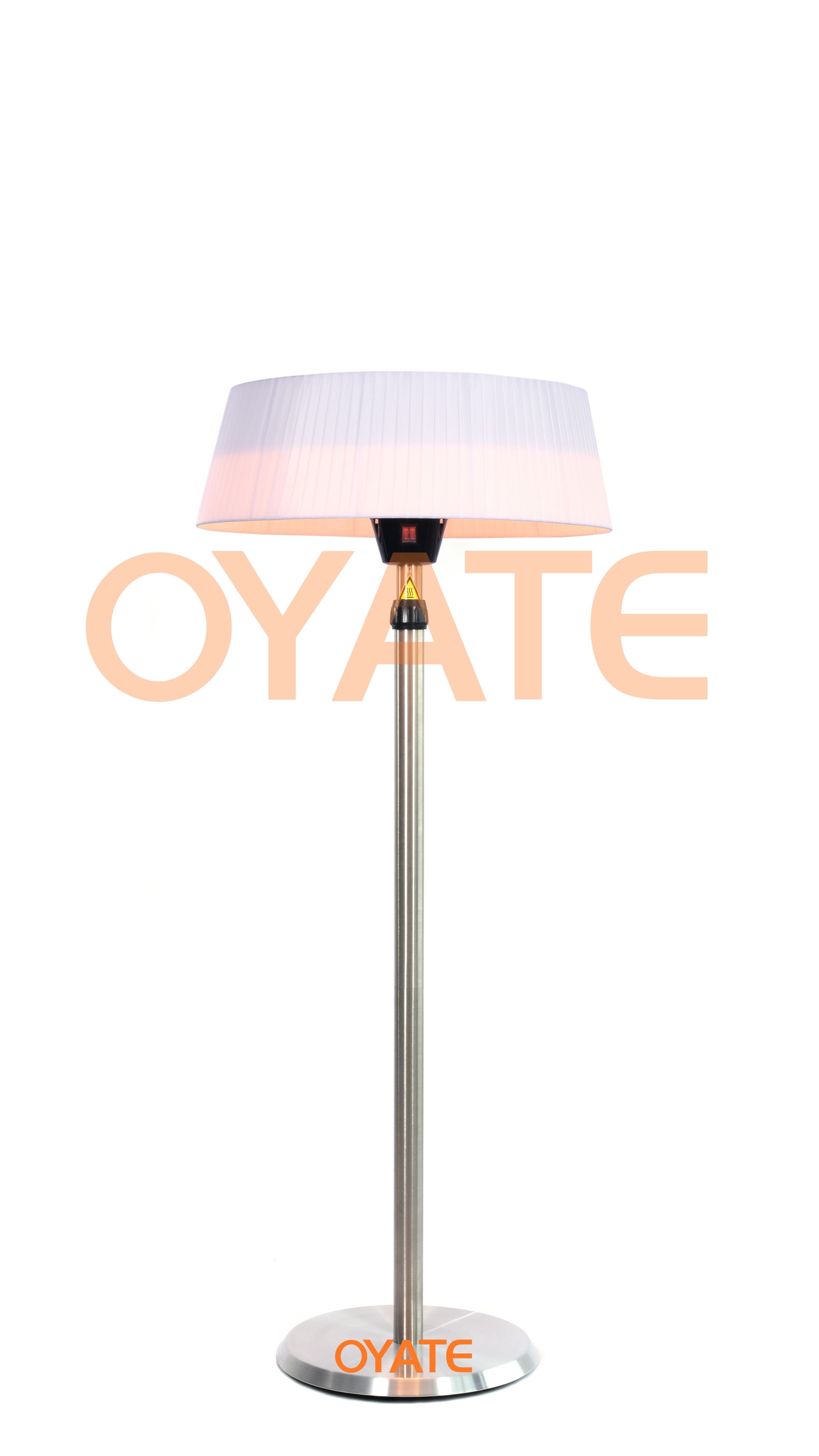
If you’re a municipal facilities manager, winter isn’t just a season. It’s a spreadsheet of rising energy bills and a daily fight against uneven heat in cavernous spaces. When the heat fails, you’re dealing with frozen pipes, unsafe work zones, and a chorus of complaints that echo down the hall. Traditional forced-air systems chew through budgets because they heat air, not people, and that warmth vanishes the second a door opens.
What matters, technically
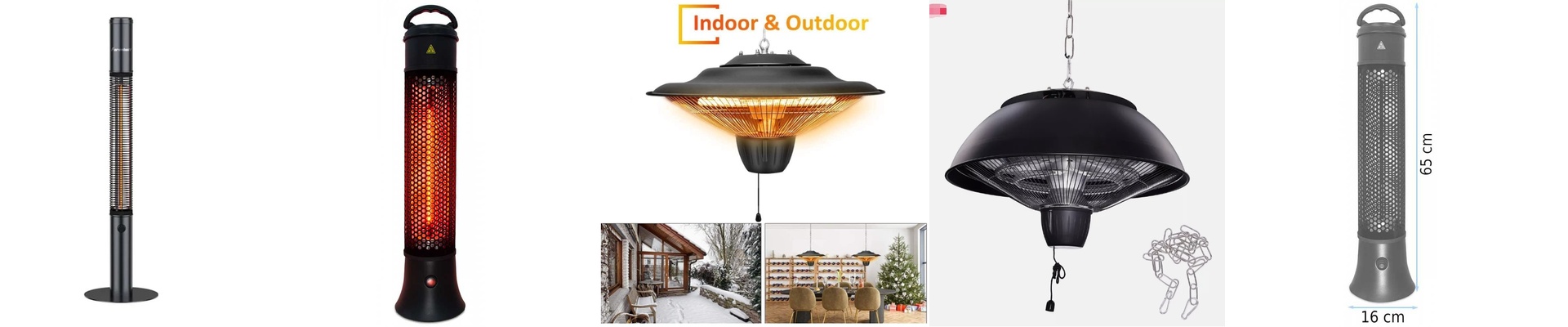
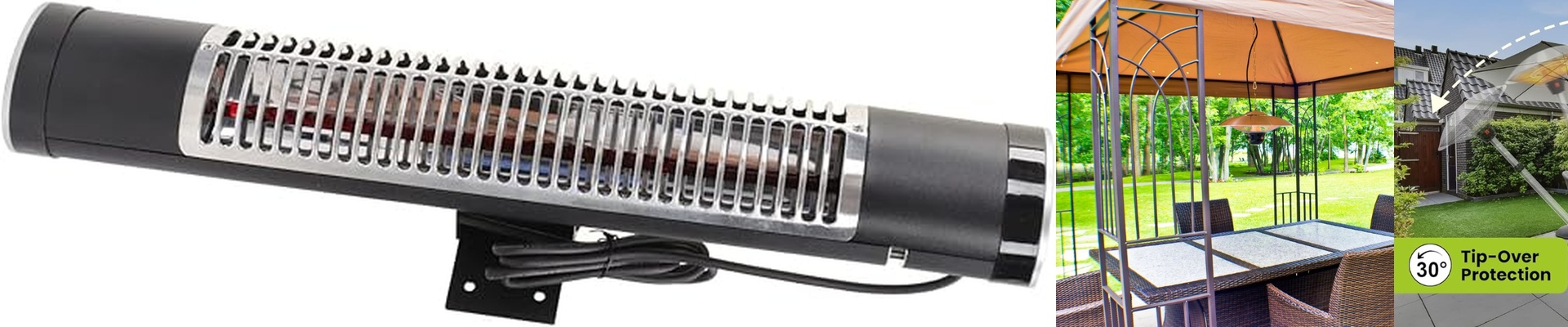
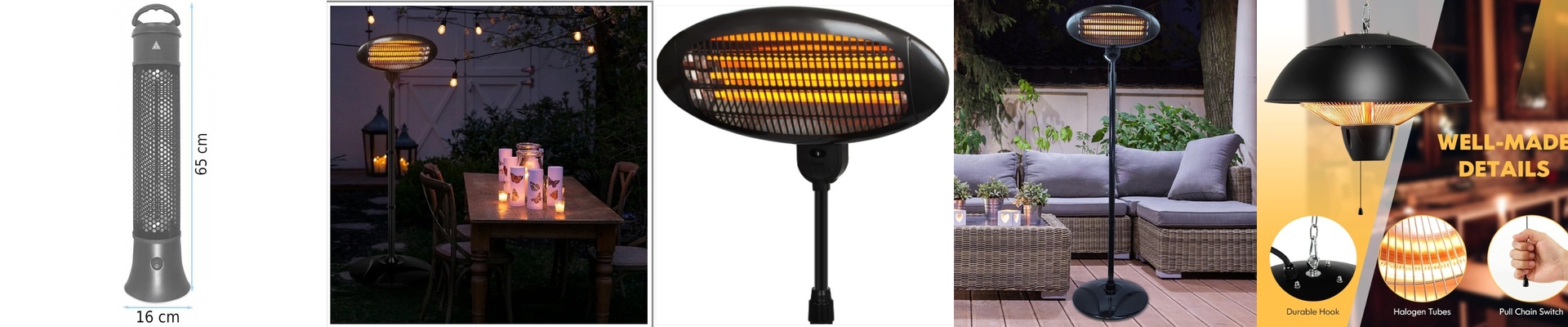
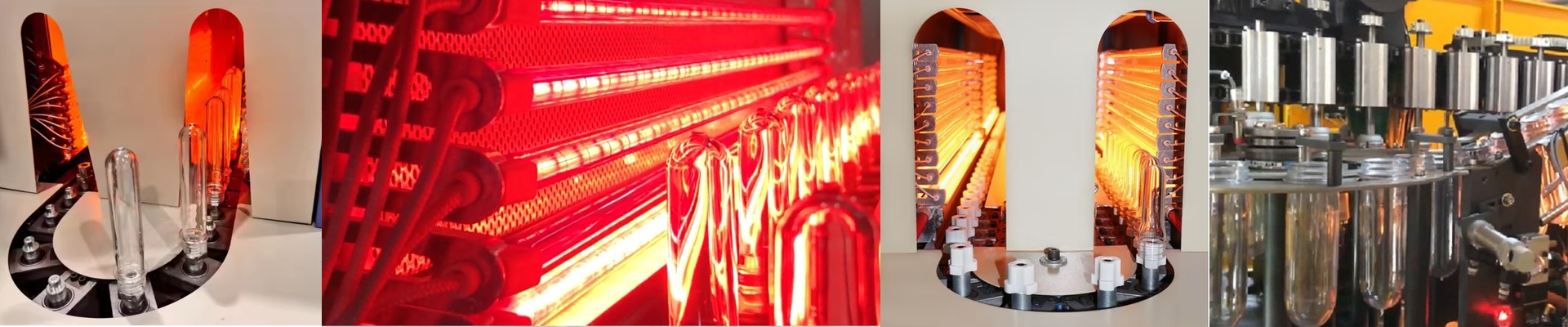
Industrial infrared electric heaters work completely differently. They use quartz tubes or carbon fiber elements to produce short- and medium-wave infrared radiation. That energy travels through the air without losing punch, directly warming solid objects—floors, walls, equipment, and the people standing there. In practice, you get instant radiant heat that feels more like standing in sunlight than sitting in a draft. Most units run off standard 240V or 480V circuits, packing serious output into a compact footprint. These are machines built for cycles: heavy-duty reflectors, stainless steel housings, and thermostat control that keeps comfort steady without wasting energy on constant cycling.
Why it fits the job
Public buildings—repair shops, bus depots, community centers, warehouses—usually run with open doors, high ceilings, and occupancy that comes and goes. Radiant infrared heat targets the spots where people actually work, so you don’t have to heat the entire volume just to keep staff comfortable. Because the heat is directional, you can zone it—warm the loading dock without turning the office next door into a sauna. The payoff is measurable: lower kWh consumption during peak winter months, fewer equipment start-ups, and a more stable thermal environment that cuts down on maintenance calls. For municipal budgets, that means more predictable operating costs and fewer surprise overruns.
The details you need
Infrared heaters perform best when installed at the right height and angle—typically 6–8 meters up, angled to cover the work area. They’re electric, so no venting is required, but they do need dedicated circuits and proper mounting hardware. In very dusty or humid environments, pick units with an IP rating that matches the conditions. One practical point: radiant heat warms surfaces, not air, so you can feel a gentle warmth even when the room air reads a bit cooler. Pairing the heaters with localized controls helps you fine-tune comfort where it matters.