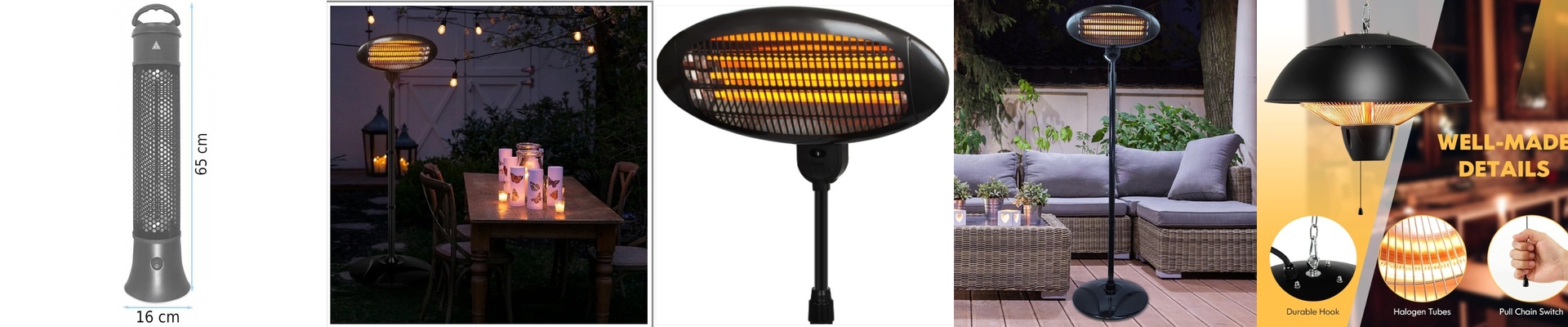
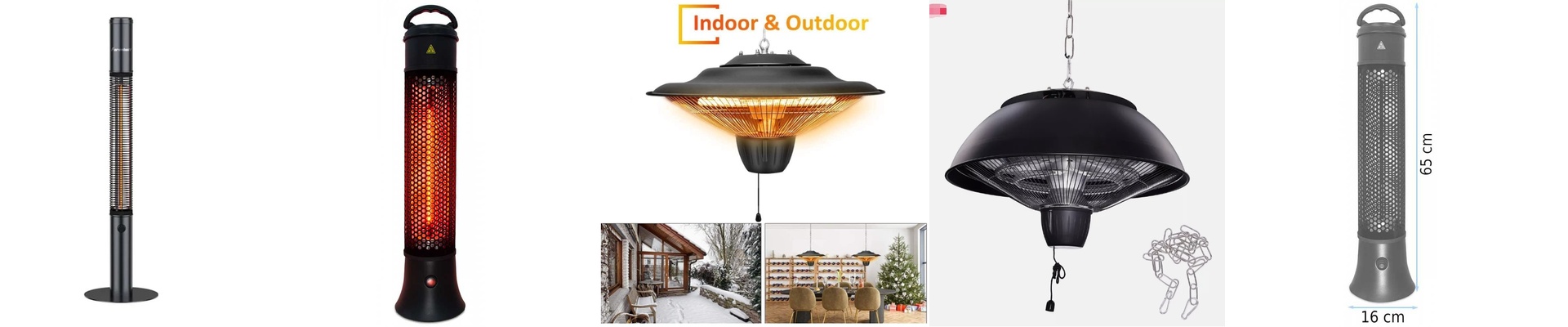
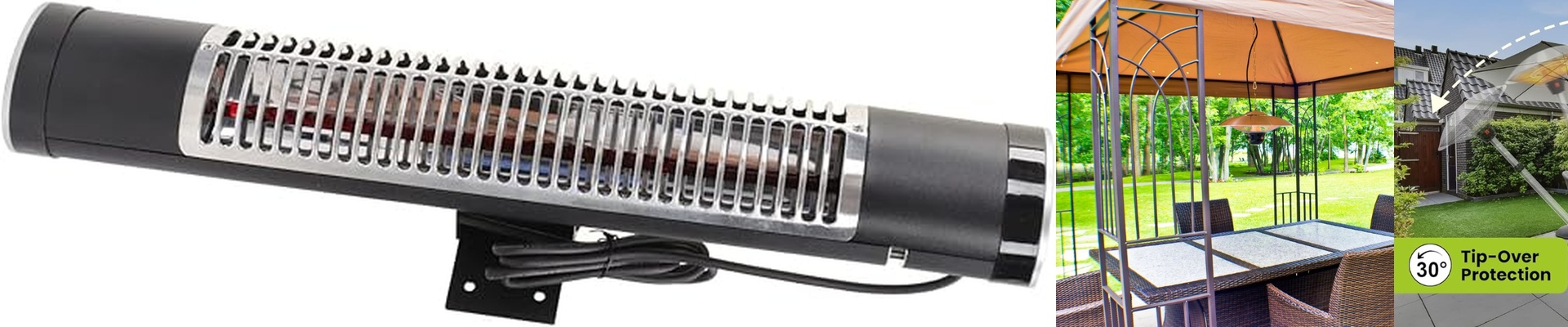
A cold bar top or a wind-whipped platform doesn’t just feel uncomfortable—it changes how people move. Guests cut their stay short, staff lose focus, and service bogs down. That temperature jolt at the threshold becomes the story of the space. We built our infrared heaters to warm people directly, with a low-noise profile that keeps conversations easy and announcements clean.
What matters under the hood
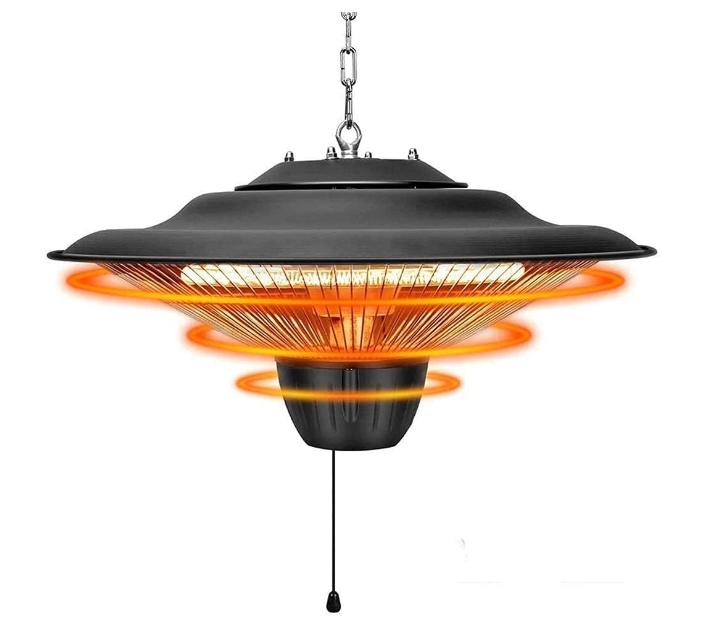
We stick with quartz-tube or carbon-fiber infrared elements because they deliver radiant heat—warming people and objects first, not the air. That means fast response: full heat in seconds, without that forced-air blast. To keep sound out of the room, we cut fan noise and dial back mechanical vibration. The unit runs quietly while still putting out real warmth. Electric models are specced for standard outlets and sit on a compact footprint so they fit where space is tight. Safety is baked in: tip-over protection, overheat protection, and an IP rating that makes them suitable for covered outdoor areas. A thermostat keeps comfort steady, and the directional output puts the heat where you need it.
Why this approach fits real-world spots
Coffee shop patios, train station queues—people pause, wait, and pass through. Infrared warmth reaches them immediately, so guests stick around longer and staff stay comfortable through the shift. Because the heat is directional, you can target seating zones and entryways without wasting energy on empty ceilings. The quiet operation matters, too. Customers hear each other, and staff can catch orders over the normal hum of a busy day. In transit hubs, the heaters help hold comfort steady during arrivals and departures, taking the edge off when the temperature drops.
The practical details that save headaches
Infrared heaters do their best work when the line of sight is clear. Warmth drops off behind obstacles, so position for direct exposure. They’re built for covered outdoor use, but they’re not meant for fully exposed, open-air conditions in heavy rain. In commercial settings, match wattage to the zone size and plan placement around drafts and doorways. Installation is straightforward, but we recommend a dedicated circuit for steady performance. Expect immediate warmth, and plan for even coverage across high-traffic areas.