

On a winter morning in the garage, the air bites. Doors roll open and shut, drafts thread through every gap, and the cold works its way into knuckles and wrists. For an auto technician, that stiffness isn’t just uncomfortable—it dulls fine motor control, makes delicate work harder, and can turn a routine job into overtime.
What matters, technically
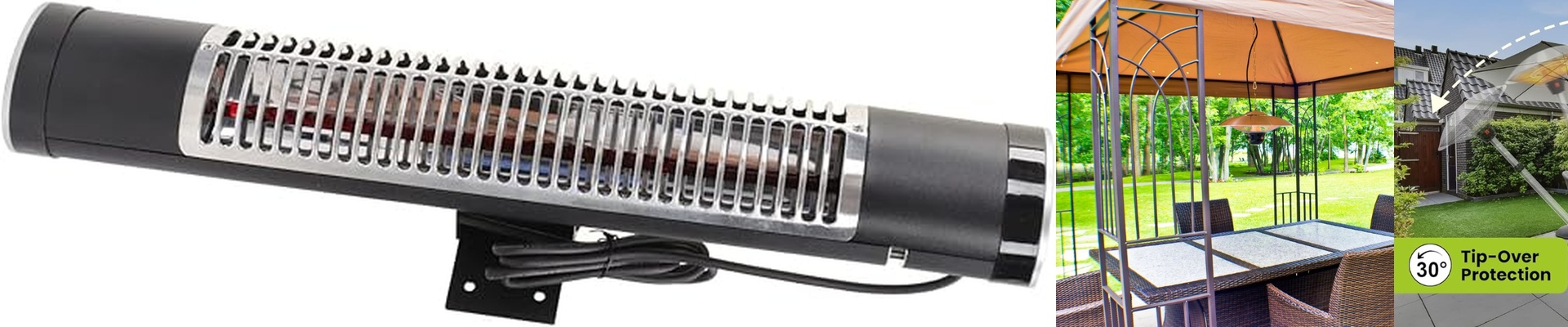
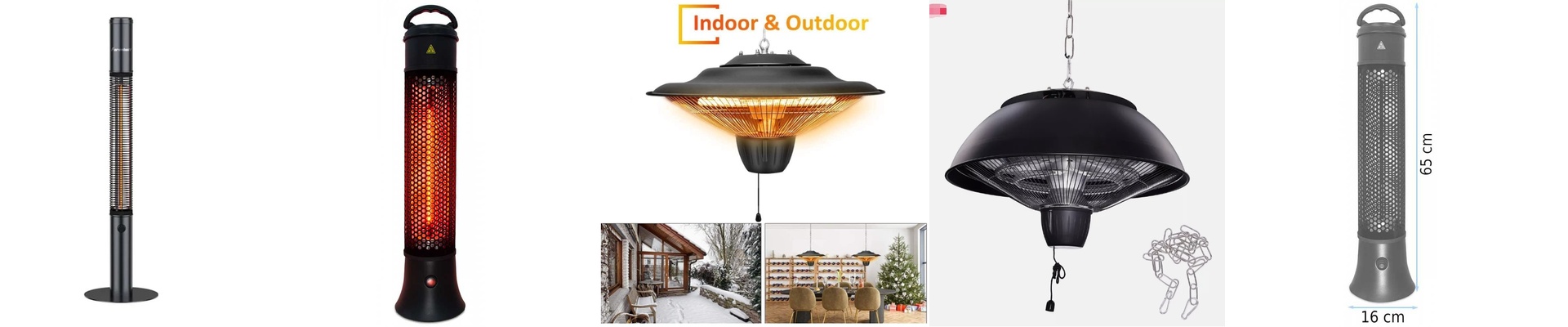
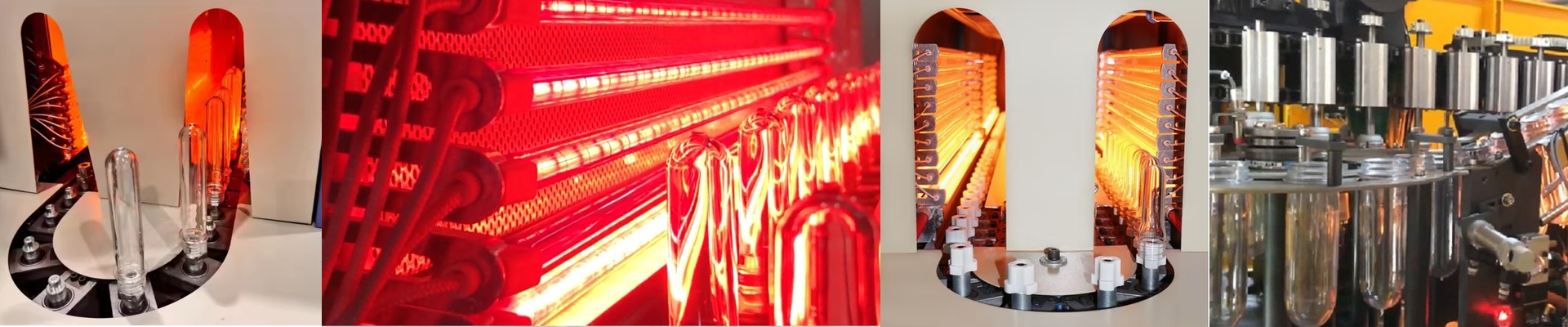
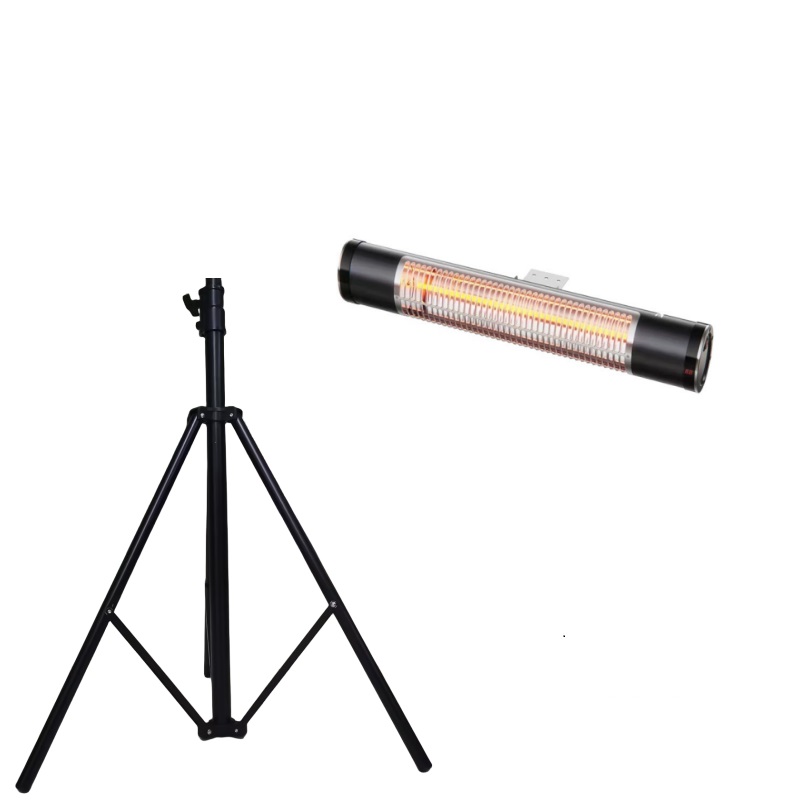
Infrared heating for painting uses radiant heat, warming people and objects directly instead of pushing warm air around. In a shop, we lean on medium-wave elements—carbon fiber or quartz-tube emitters—because they deliver fast, directional warmth that feels steady under the hand. Many units run on standard 120V outlets, pulling 1,500W to 3,000W depending on coverage, and come up to temperature within seconds. You get a focused warmth pattern, like standing in sunlight, without the noise and drafts of forced-air heaters.
Why it works in this setting
A garage workstation is all about local heating. You don’t need to heat the whole bay; you need warmth where the technician stands and where the work is happening. Infrared heating painting targets that zone, so the body stays warm and the fingers stay nimble. Hands warm up quickly, muscle tension eases, and fine tasks—wiring, panel alignment, fastener work—feel more controlled. That means fewer breaks to warm up, more consistent attention to detail, and a steadier workflow. Plus, it doesn’t blow air across solvents and finishes, which helps keep the immediate work area cleaner.
What you need to know
Installation is straightforward: hardwire or plug into a dedicated circuit, and mount the heater 6–8 feet above the work area for even coverage. Clearance matters—keep combustibles and solvents well away from the emitter. For comfort, pair the heater with a thermostat or adjustable settings so the heat matches the task. One practical point: radiant heat warms surfaces and people directly, so the surrounding air can still feel cool. Layer up, and position the unit to cover your core and hands.