Fixing Those Annoying Heat Spots in Your KHS Blow Molding
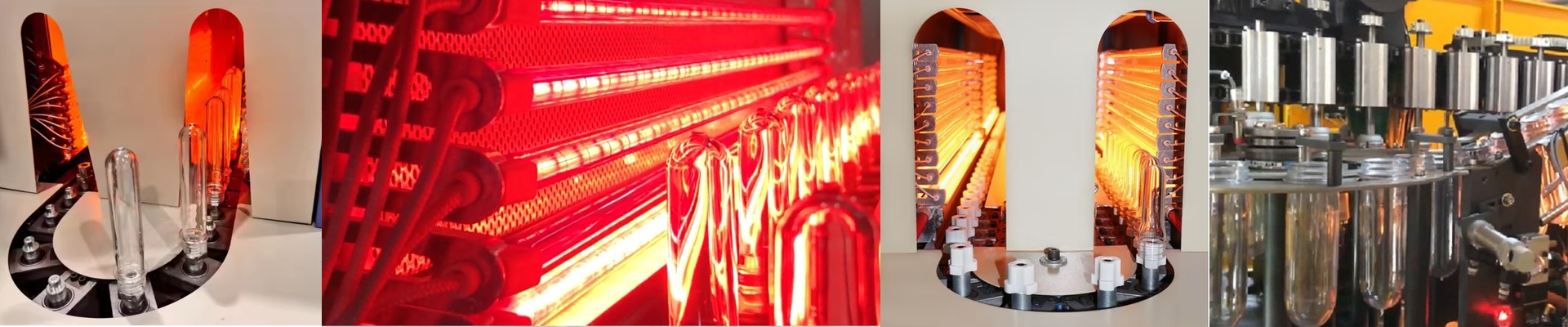
Ever pull a batch of PET bottles and see that cloudy, pearlescent look? Or maybe the walls are way too thin in some spots and thick in others. It’s frustrating. Usually, when the heat field goes sideways, the first thing you check is the lamps. We’ve spent a lot of time building a replacement lamp specifically for these machines. It’s a simple drop-in that does exactly what the OEM Sidel or KHS parts do—and in some cases, it actually does it better. Why some lamps just don’t cut it Most of the time, the problem is “cold spots.” You get these gaps along the tube where the heat just isn’t hitting. To fix that, we used high-purity quartz and a tungsten filament wound with a lot of precision. The goal? Make sure the wattage is spread evenly from end to end. Now, if you’re running a high-wattage setup, you’re dealing with a ton of heat density. Just a heads-up: make sure your cooling blowers are actually up to the task, or you’ll end up burning out the ends of the lamps way too soon. No fancy wiring needed Nobody wants to spend their afternoon rewiring a machine. These lamps use the standard R7s or SK15 connectors, so they just slide right into your existing sockets. We also added a specific internal halogen cycle. Without it, tungsten evaporates and leaves a nasty film on the glass. By keeping the glass crystal clear, more IR energy actually reaches the preform instead of getting trapped inside the tube. Getting them running on the floor The best part is that you can swap these into your oven without having to recalibrate the whole line. We’ve seen them bring some stability back to older KHS lines where the original tubes had just drifted too far in resistance to be useful. One quick tip: these things get incredibly hot. Before you install them,**grab a cloth and polish your reflectors.**If your reflectors are dirty, you’re throwing away about 20% of your heat, no matter how good the lamp is. Pop them in, dial in your power, and keep an eye on the preform temp at the oven exit. You’ll see the difference pretty quickly.