Fixing the Heat Gaps in Your KHS Blow Molders
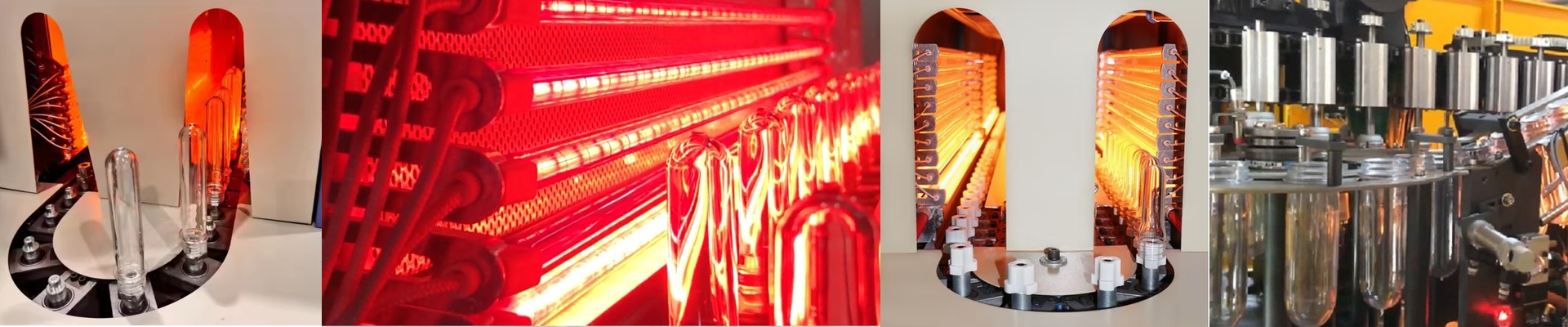
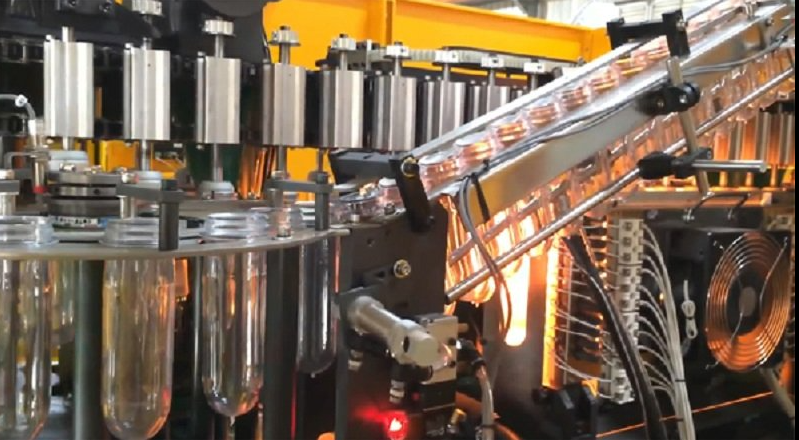
Ever get those frustrating wall thickness variations or, worse, burst bottoms on your PET bottles? It’s a headache. Usually, it comes down to one thing: your preforms aren’t heating evenly. When you’ve got those annoying “cold spots” in the oven, you end up with pearlescence and a lot of wasted plastic. We’ve spent a lot of time figuring this out. To fix it, we built custom infrared lamps that actually do the job—replacing those standard OEM tubes and killing off those thermal dead zones for good.
The nitty-gritty of how it works
Getting the heat just right isn’t magic; it’s about the details. It comes down to how the filament is wound and how pure the quartz is. For the KHS setups, we play around with the shortwave IR radiation. By tweaking the tension of the tungsten filament and the pressure of the halogen gas inside the tube, we can get rid of those cold spots that usually plague the ends of the lamp. We build these to your exact length and wattage. If you’re pushing a high-speed line, you’ll probably want more wattage per millimeter to crank up the heat density. But a word of caution here. If you pump more power into a small space, your reflectors take a beating. Make sure they’re polished and spotless. If they’re dirty, that extra heat just bounces right back and fries the ends of your lamps.
Getting them into your machine
We used heavy-wall quartz so the lamps don’t bow or warp when things get hot. And since we use standard industrial connectors, they just slide right in. You won’t have to mess around with your wiring or rebuild your racks. Depending on what you’re running, we can also offer coated options. These shift the emission spectrum, which is a fancy way of saying the heat sinks deeper into the PET preform instead of just scorching the surface. Now, there is a trade-off: coated tubes take a little longer to ramp up than clear quartz. But the payoff is a much more consistent temperature across the whole bottle body.
What this actually means for your floor
When you swap out generic tubes for precision-spec’d lamps, the constant fiddling stops. You don’t have to spend your shift obsessively adjusting oven temperatures because the heat field finally stays stable. Less guesswork. Fewer rejects. And when it’s time to switch bottle sizes, you can actually get it done quickly and get back to production.