
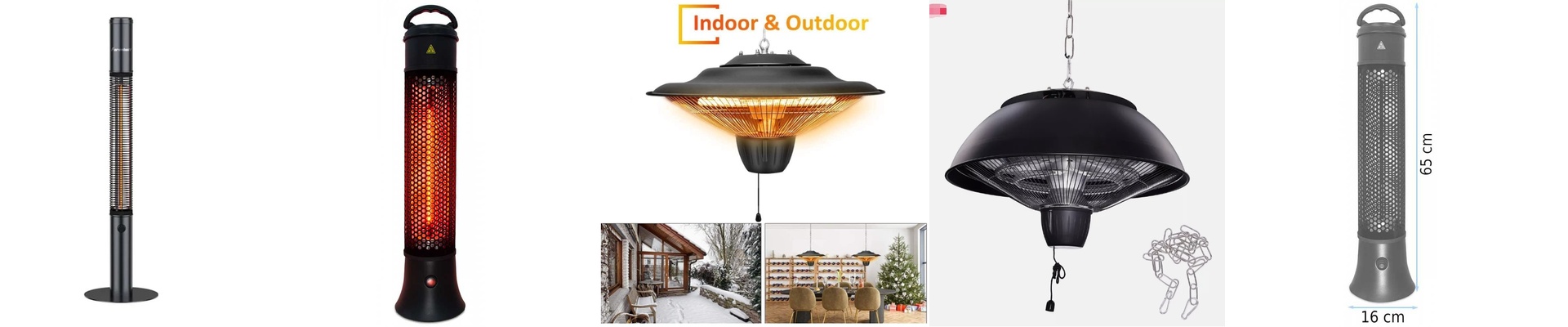

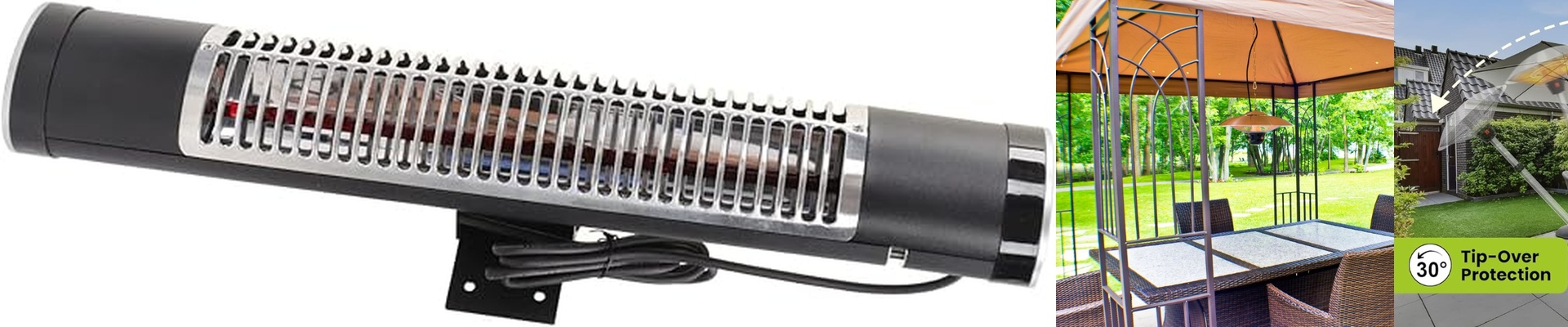
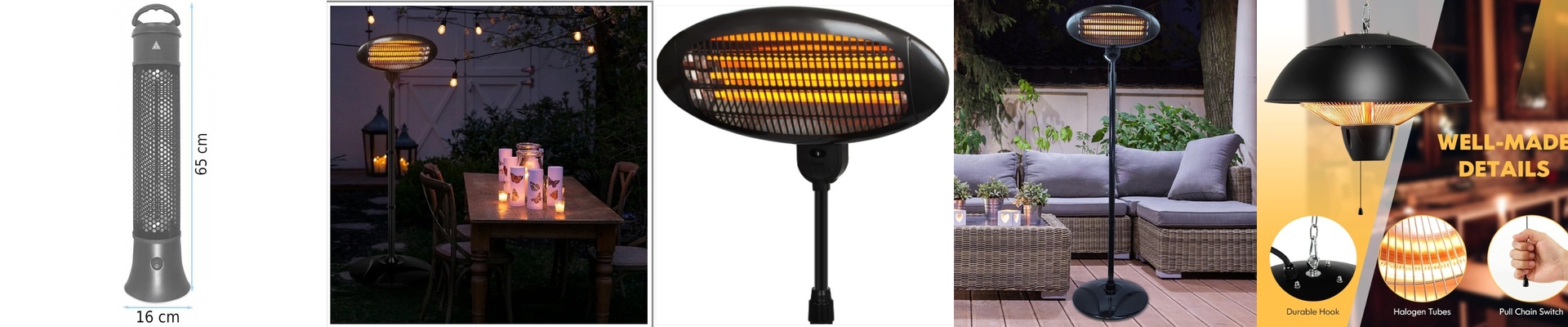
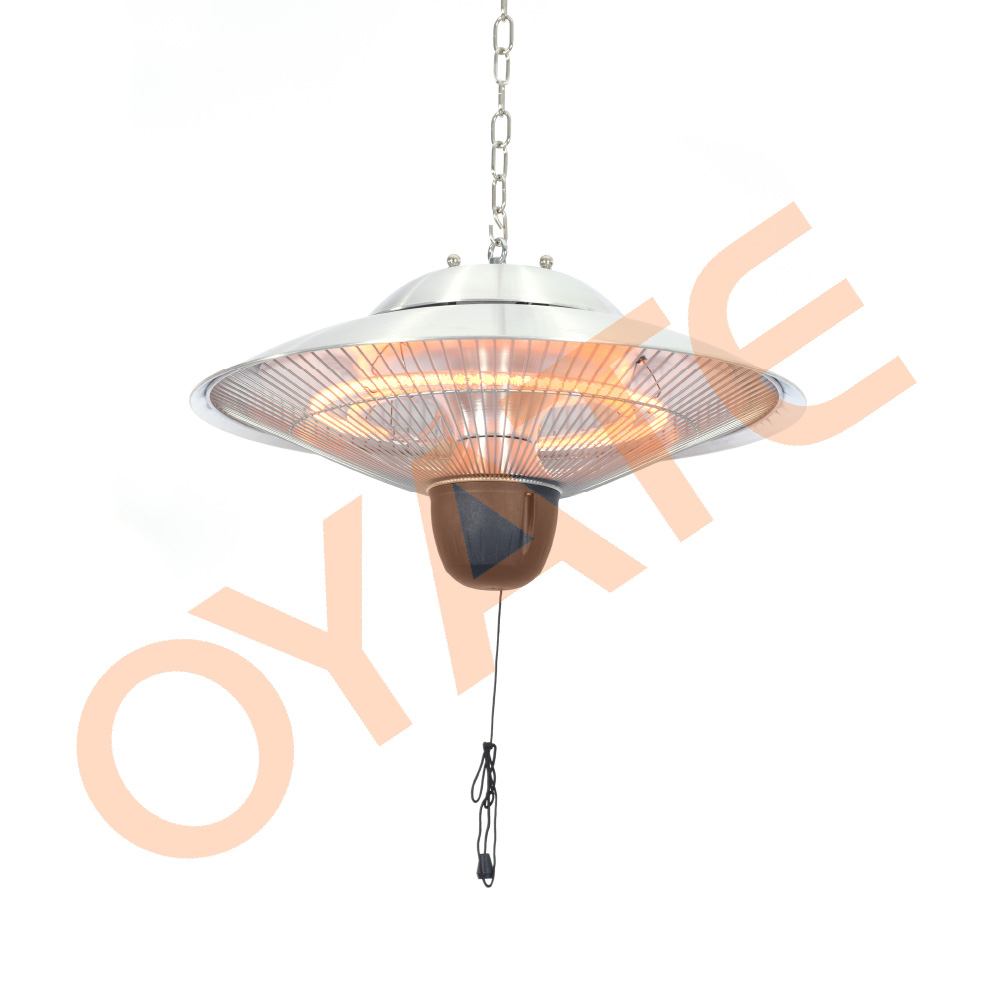
Cold dorm rooms aren’t just uncomfortable—they wreck focus, sleep, and leave you waking up stiff. Electric oil-filled heaters are the usual go-to, but they quietly drive up energy use, and the heat can feel sluggish and pooled near the floor. Infrared dorm heaters take a different tack: warmth aimed straight at people and surfaces, not the air.
What matters, technically
With infrared, the heat starts at the source. A carbon fiber element inside a quartz tube hits operating temperature fast, then radiates outward. Many compact infrared electric heaters run on 120V, plug into a standard outlet, and pull 400–800W. In practice, that means on-demand heat without the long warm-up you get from a heavy oil-filled radiator. The feeling is immediate—your face and hands warm first, the same way they do near a safe, dry heat source.
Why it fits dorm life
Efficiency here is about two things: how fast you feel comfortable, and how much it costs to stay that way. In a dorm, the real question is whether you can get that cozy feeling while using less electricity. Infrared shines because it heats objects and people directly. An electric oil-filled heater has to warm a big volume of air, and even with a thermostat, it keeps cycling to hold air temperature. Infrared targets what matters—your chair, your desk, your bedside—so the room air stays quieter and you still feel warm. In side-by-side use, a lot of people run an infrared heater at lower power and feel just as warm, which often translates to a real drop in daily energy use.
What you need to know
Infrared heat is directional, so placement matters. Face the heater toward where you sit or work, aiming it at your torso and feet, and you’ll feel the benefit quickly. Keep it at least three feet from bedding, curtains, and other combustibles, and stick with a model that has tip-over protection and overheat protection. Most are built for indoor use; if you want to use one near an open window or on a covered porch, check the IP rating and the manual. Also, infrared won’t dry the air the way some forced-air heaters do, but it won’t raise the entire room’s air temperature as fast as a convection heater. Match the choice to the need: direct comfort for you, or whole-room air warmth.