Stop Waiting for Your Plates to Dry
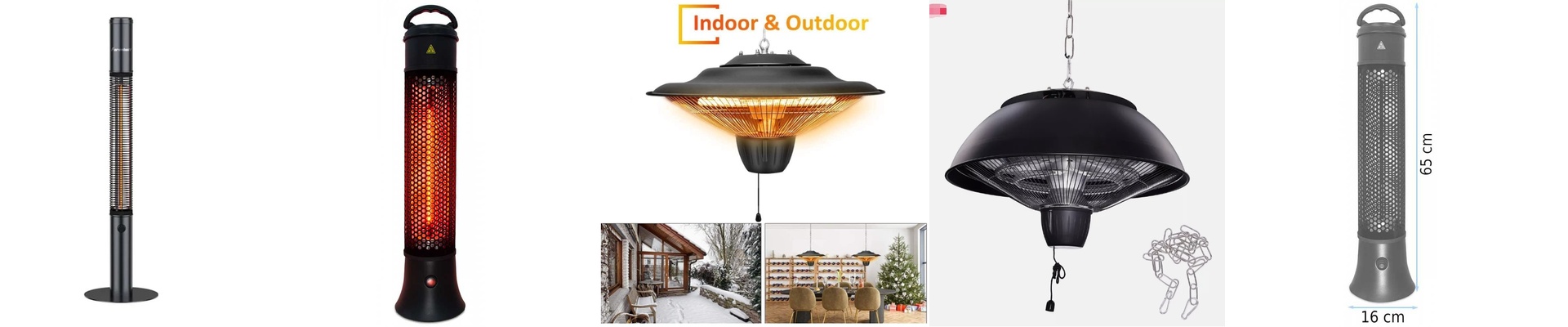
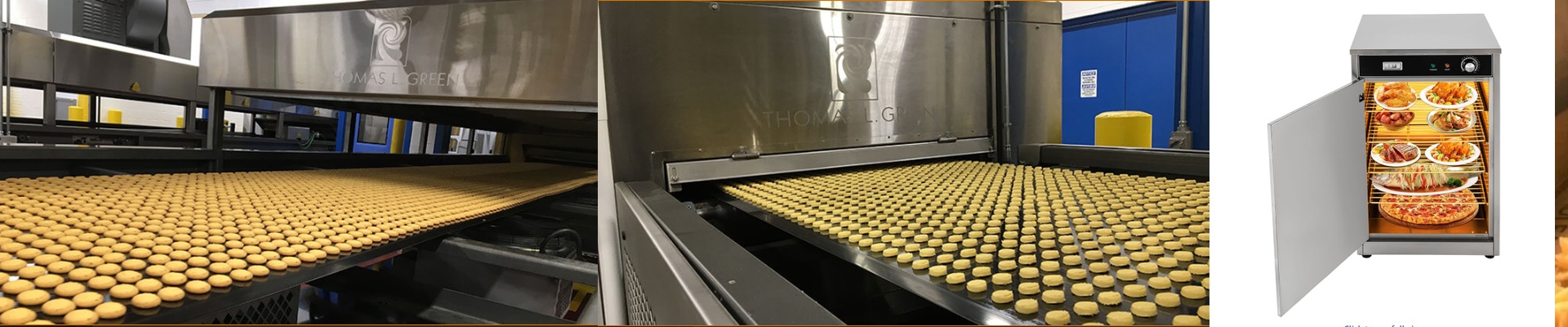
Let’s be honest: waiting for a heating element to warm up is a pain. If you’re running a busy kitchen or an industrial washing line, those few minutes of preheating are just wasted time. It kills your momentum. That’s why we use quartz tube infrared heaters. They don’t mess around—they just move the heat instantly.
Heat That Actually Hits the Mark
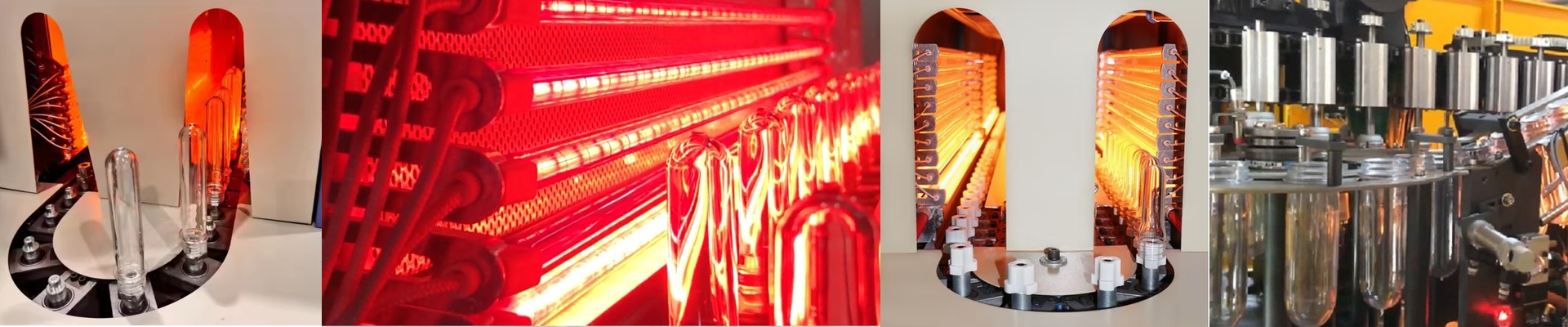
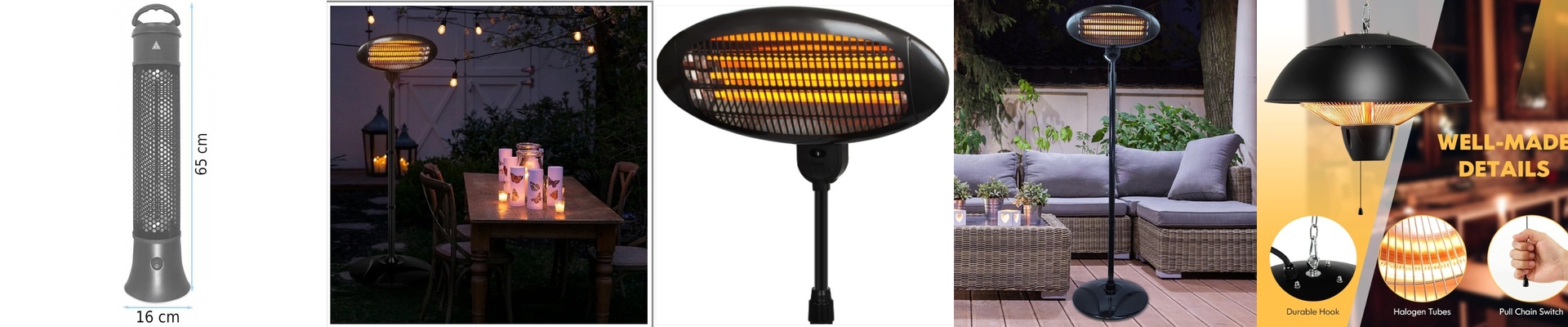
Here is the thing about standard heaters: they try to warm up all the air around the dishes. It’s slow. Quartz tubes are different. They send short-wave infrared energy straight to the surface of the plate or glass. We call it a “second-level” response. Basically, the moment you flip the switch, the tungsten filament hits its peak temperature.**Boom.**You have heat. No more standing around waiting for an oven to get up to temp.
The Nitty-Gritty on the Gear
The quartz envelope is what makes this work. It’s made from high-purity silica, which means the infrared light passes right through without getting blocked. Plus, it can take a massive hit of thermal shock without cracking. Now, if you go with a high-wattage tube, you get a lot of heat density. It’s great for flashing moisture off a stack of glasses in seconds. But a word of caution: don’t put them too close. If the tube is practically touching the tableware, you risk warping thin plastics or cracking cheap ceramics. You’ve got to get your mounting brackets just right to avoid those nasty hotspots.
Getting Them Up and Running
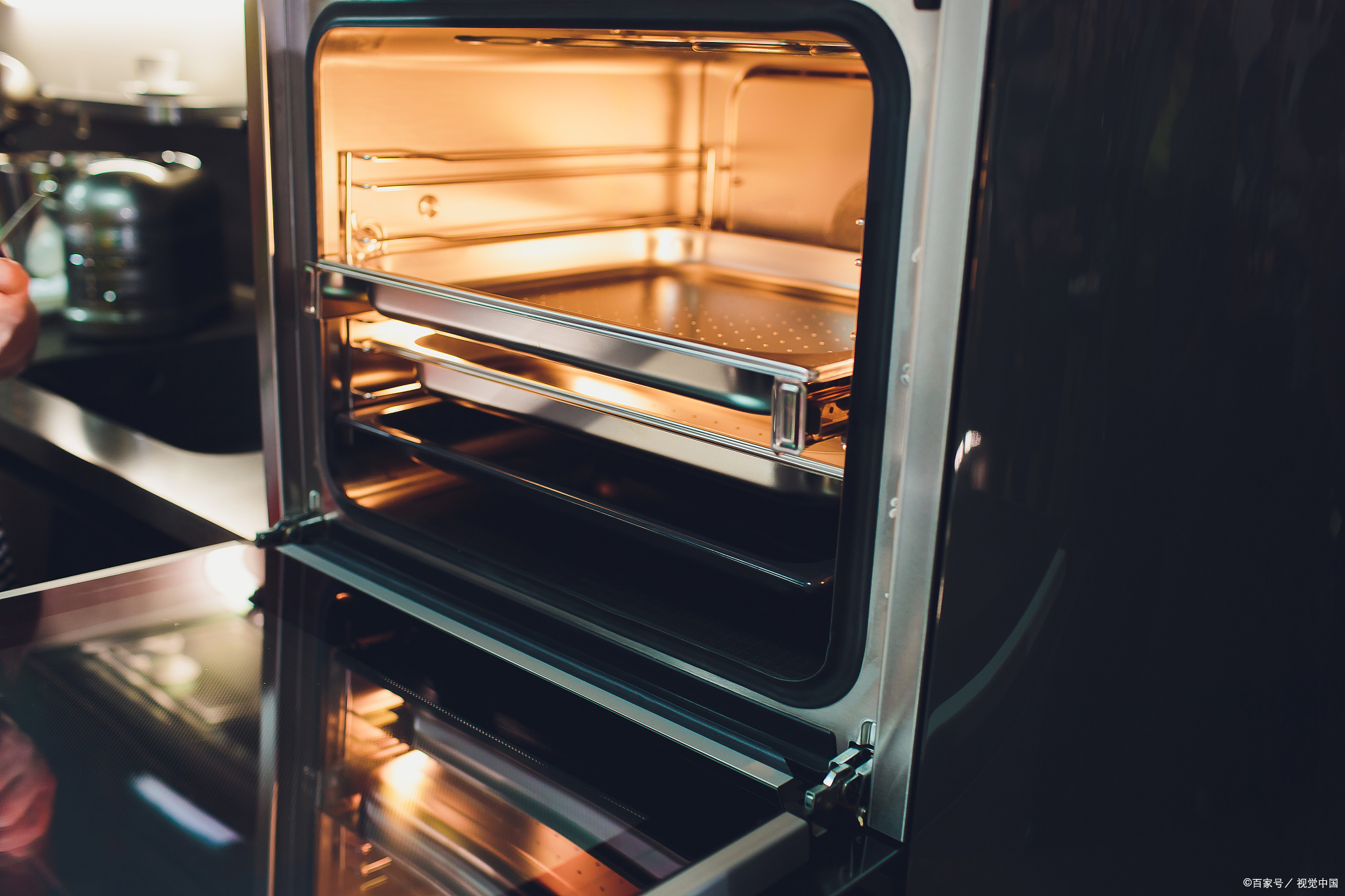
The best part? These are usually drop-in replacements. You can swap out those old, clunky heating arrays for quartz and stop wasting electricity on heating the inside of a metal cabinet. You’re only heating the dishes. Just keep an eye on your power. These tubes need stable voltage. If your power spikes, you’ll burn out the filament way faster than you should. And if you’re installing a whole bank of these, make sure your controllers can handle the initial surge of power. You don’t want to trip your breakers the second you turn the system on.