
The Reality of Bathroom Heating
Let’s get real about bathroom warmth. We make low-wattage infrared bathroom heaters for one simple reason: you need heat you can count on in a space that’s wet, wild, and unforgiving. A bathroom is nothing like a dry workshop. The constant moisture, the temperature swings, the condensation—it all exposes weak seals and cheap parts in a hurry.
Power, Voltage, and Size—Why It All Matters
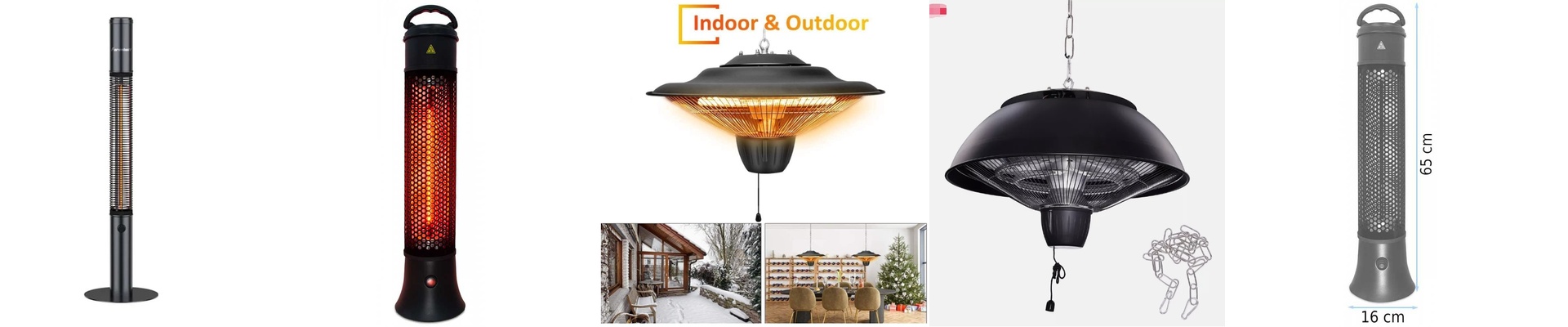
Here’s the thing about low-wattage infrared heaters: they’re built to give you focused warmth without tripping your circuit breaker. The wattage tells you how much heat you get. The voltage tells you if it plays nice with your wiring. And the size? That’s not just for looks. It determines how much heat the lamp spreads, and whether it actually fits into that tight spot or recessed fixture. Get the size wrong, and you’re looking at a heater that either underperforms or cooks the housing around it.
The Grueling Tests Behind the Design
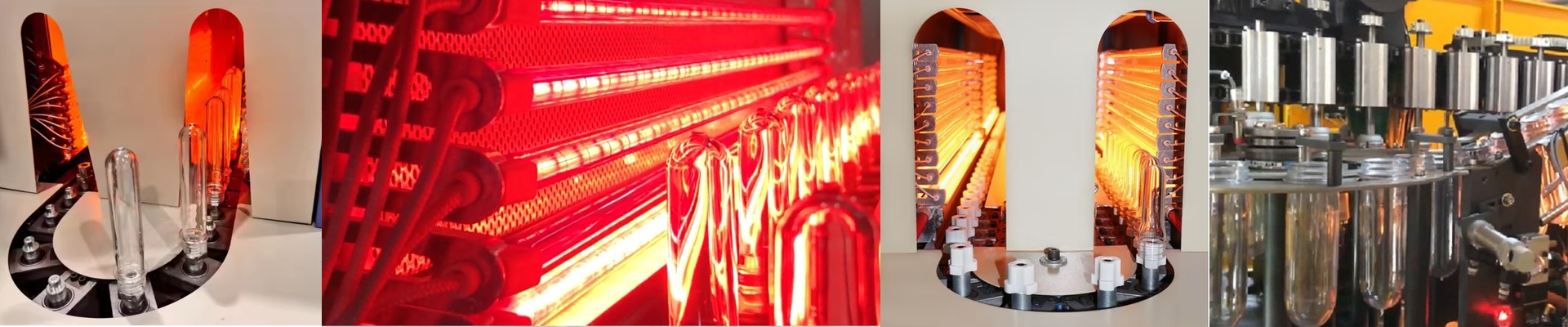
Infrared heat comes from a halogen element inside a quartz tube. It kicks out intense, fast heat, but that also means serious stress on the seals and connections. So we put every lamp through the wringer. We bake them in extreme heat and humidity, cycling them over and over to force out any weak spots. It’s how we find flaws in the seal, the fill gas, and the connectors long before the lamp ever leaves our hands. And those connectors matter. R7s and similar end-cap designs keep a solid electrical grip, even as the quartz tube expands and contracts. A loose connection in a steamy bathroom? That leads to arcing and burnout, fast.
What It Feels Like in Your Bathroom
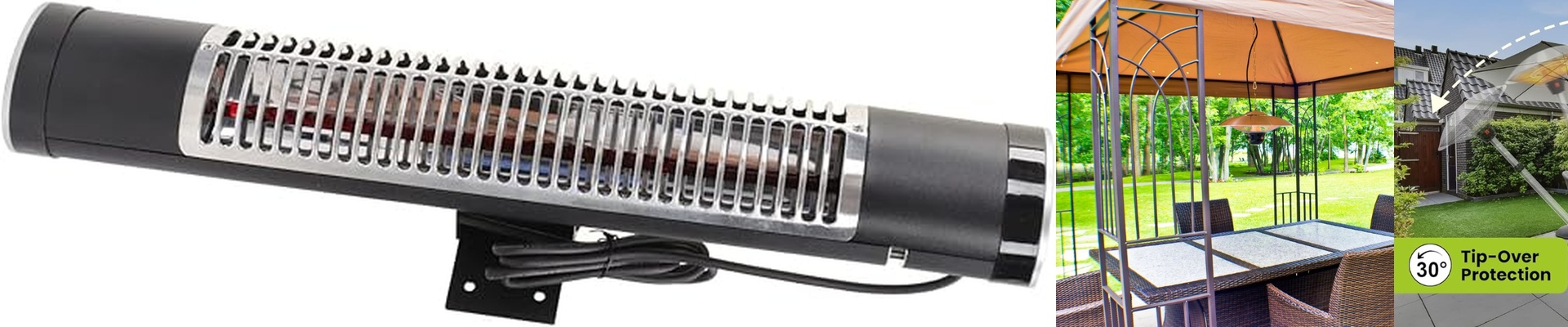
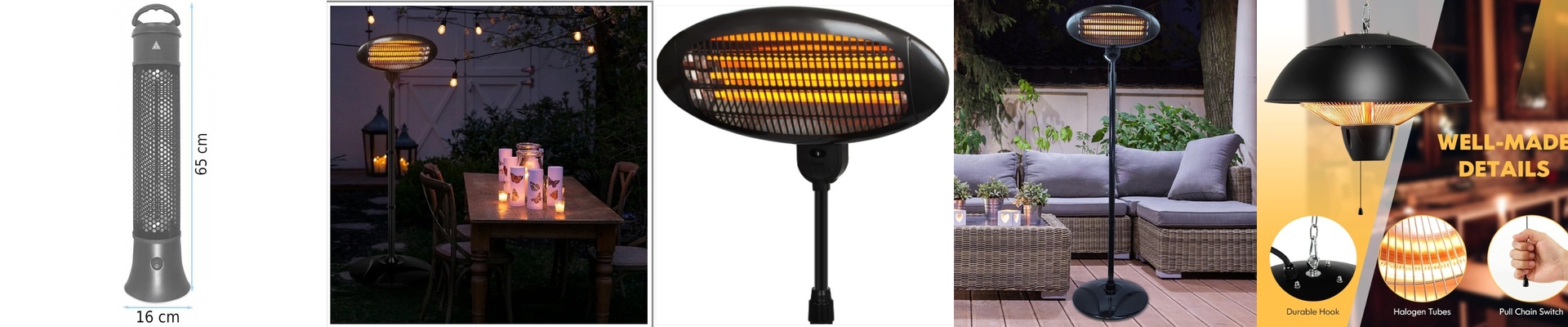
In a bathroom, a heater has one job: warm you up fast, and keep doing it, day after day, despite the steam. Our low-wattage infrared design delivers that—instant heat, right where you need it, in a compact package. But there’s a trade-off. That concentrated radiant heat needs proper spacing and ventilation so the fixture doesn’t overheat. By aging every unit, we weed out the marginal ones and send you a heater that can take the beating. You get a drop-in lamp that hits its rated output, holds its seal, and keeps working, no matter how humid it gets.