

The Reality of Outdoor Infrared Heating
We built these Gazebo infrared heaters for one reason: to put warmth exactly where you need it. No fuss, no waiting. But here’s the thing—these units live outside. They get rained on. They deal with humidity that never quits. And they handle sudden temperature swings that would make lesser gear quit. So we don’t test them gently. We put every single unit through harsh damp-heat aging tests. It’s not a box to check. It’s a direct gut check on the materials and connections that have to hold up in the real world.
Power, Voltage, and a Small Footprint
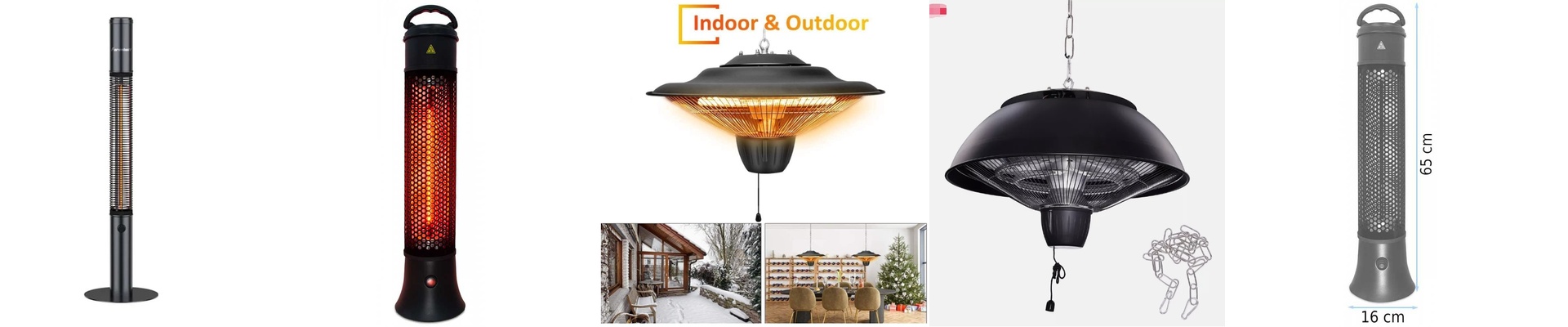
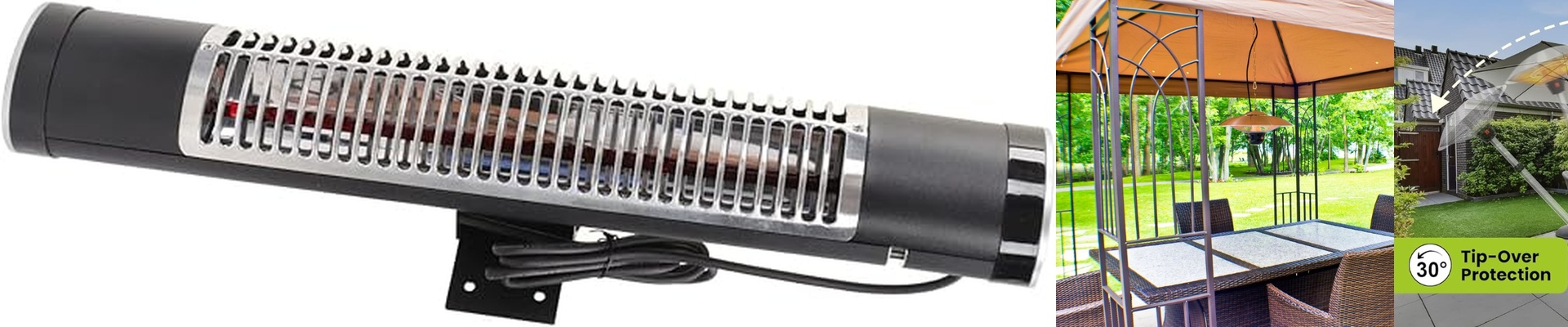
These heaters lean on high-output halogen elements, usually hitting 2500W. We match the voltage to your setup, offering both 230V and 400V options. That power lets us keep the footprint small. Think a 300mm tube that throws off serious radiant heat for a defined area—without a bulky housing getting in the way. High wattage means high heat density, so you do need to give the mounting area and nearby components some breathing room. Plan for clearance, and you’re good.
The Heart of It: Halogen, Quartz, and the R7s Connection
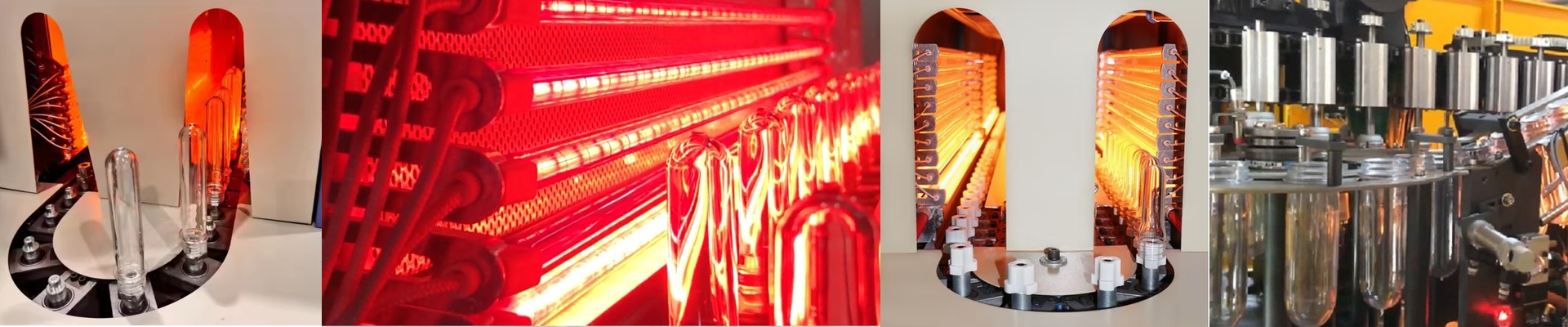
Inside, we run a halogen cycle inside a quartz envelope. That keeps output steady over time. The shortwave spectrum delivers fast, directional heat—with almost no warm-up delay. For the connection, we chose the R7s. It makes installation straightforward—no tools needed—and it holds steady even when things vibrate or the mounting spot is exposed. We also add protective coatings on key parts to fight moisture. Still, in a damp environment, any sealing point is a place to watch. If the unit runs continuously, plan on quick inspections now and then.
Built for the Gazebo—Where Heat Has to Earn Its Keep
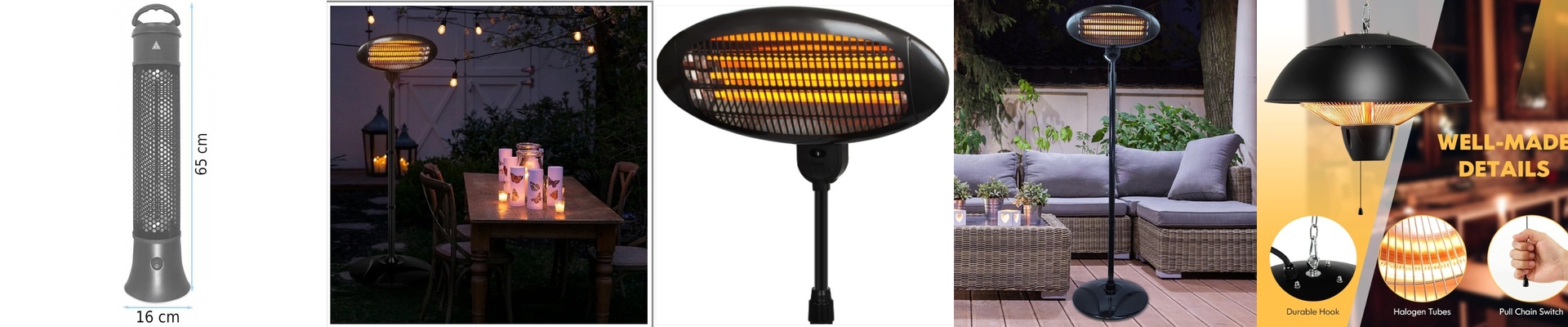
A Gazebo heater has to do three things: start fast, spread warmth evenly, and survive humidity. Our setup delivers immediate radiant heat, so people feel warmth right away. No waiting for the air to heat up. The compact tube design makes mounting on beams or brackets simple, and the R7s termination means replacements are quick when you’re out in the field. And that damp-heat aging test? It proves the lamp, the coatings, and the connections can take a beating without drifting out of spec. When you need a heater that performs in actual weather—not just on paper—this is how we make sure it delivers.