
Why We Put Every Heater Through the Wringer at Full Power
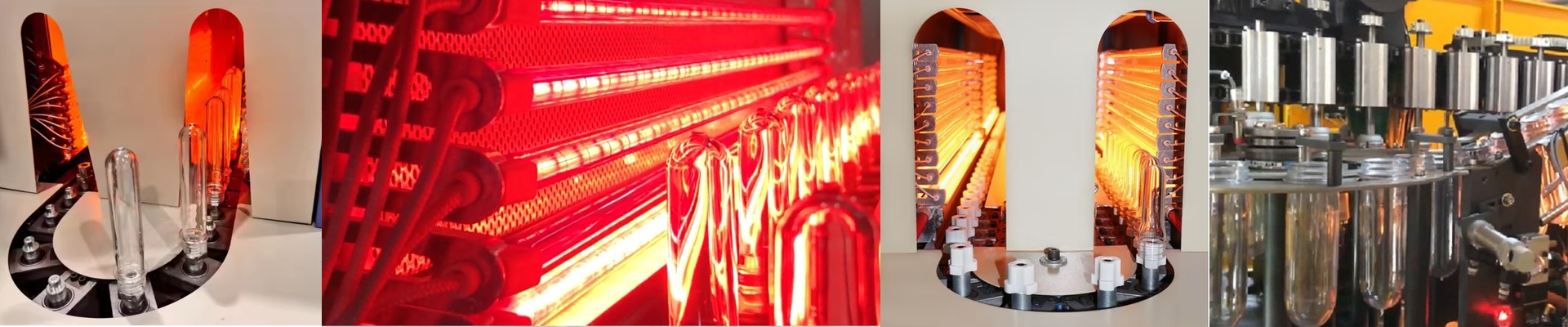
When you’re talking about industrial infrared heaters for big spaces, uptime isn’t something we leave to chance. Before a single heater leaves our floor, we throw it into the worst-case scenario we can think of. We run every unit through a 100% full-power burn-in test. Forget the paperwork and checklists—this is a real, controlled burn. It forces out the early-life weak spots. We’re talking shaky solder joints, components that are just barely there, and quartz that isn’t as solid as it should be. We catch all that before it ever gets to your production line. The payoff? A much smoother failure curve. Fewer surprises. And honestly, fewer headaches for you when you’re trying to keep things moving.
What Those Specs Look Like When the Machines Are Running
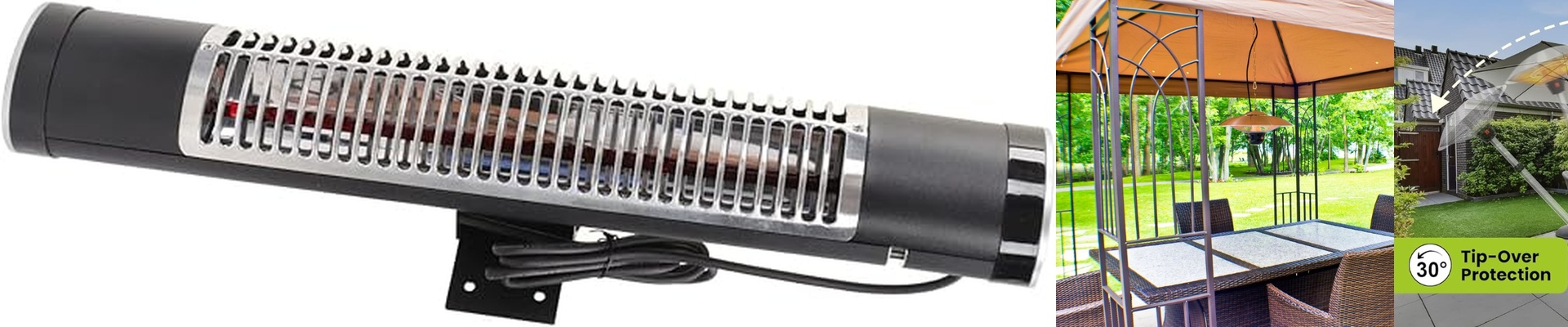
Those high wattage and voltage numbers on the spec sheet aren’t just for show. They’re there because these heaters need to throw concentrated heat across a large distance. High power density means you get warm-up times that are genuinely fast. It also means you can hold your target temperature even on drafty floors or right next to an open bay. And that voltage rating? It keeps things steady when your plant’s power lines dip and equipment cycles on and off. As for the dimensions, we match them to the reflector and mounting footprint so you can plan clearances, service access, and airflow without having to redesign your whole setup.
The Details That Actually Matter When You’re Installing
We pair the heating element with quartz and specialized coatings because, honestly, these units get hammered by thermal shock. They need to keep putting out consistent heat, cycle after cycle. Then there’s the connector choice—whether it’s R7s, Sk15, or another industrial-grade interface. We pick these because they make termination quick and keep the connection solid, even when there’s vibration and temperature swings. These aren’t just finishing touches. They cut down installation time and lower the risk of loose joints that can cause frustrating, intermittent issues down the road.
The Real-World Payoff—And What You Need to Know
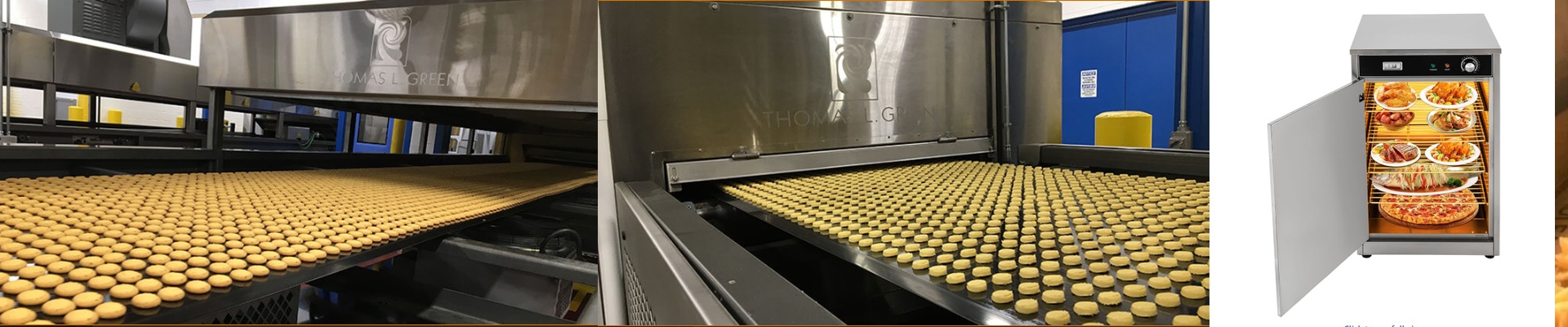
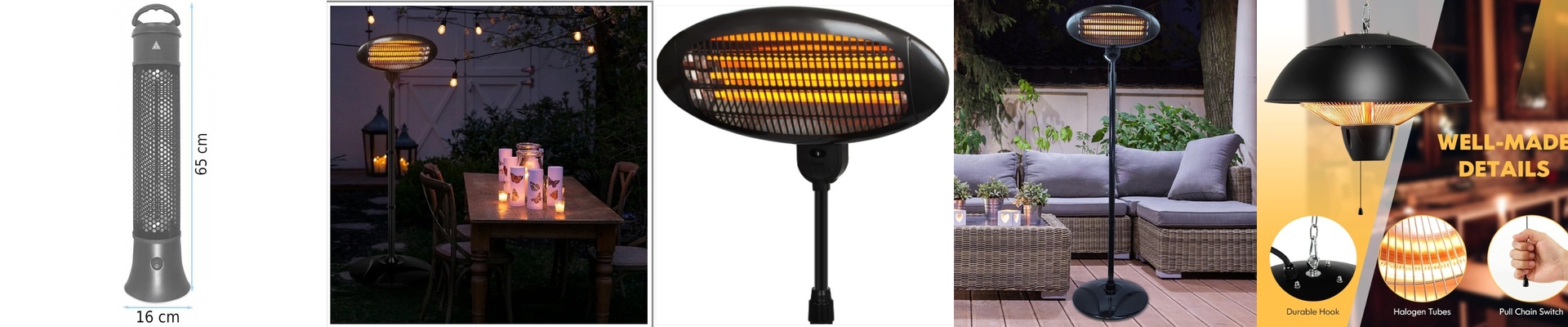
In a big workshop or warehouse, this setup gives you rapid spot and area heating. You don’t have to wait around for the heat to catch up. But here’s the trade-off: with that kind of power, you’re dealing with serious heat density. The unit runs hot, so your control strategy and local ventilation need to match the wattage. That’s exactly why we burn-in every heater at full power. We make sure it can take the heat. So when it’s in your plant, it just keeps running—and you can focus on what matters.