



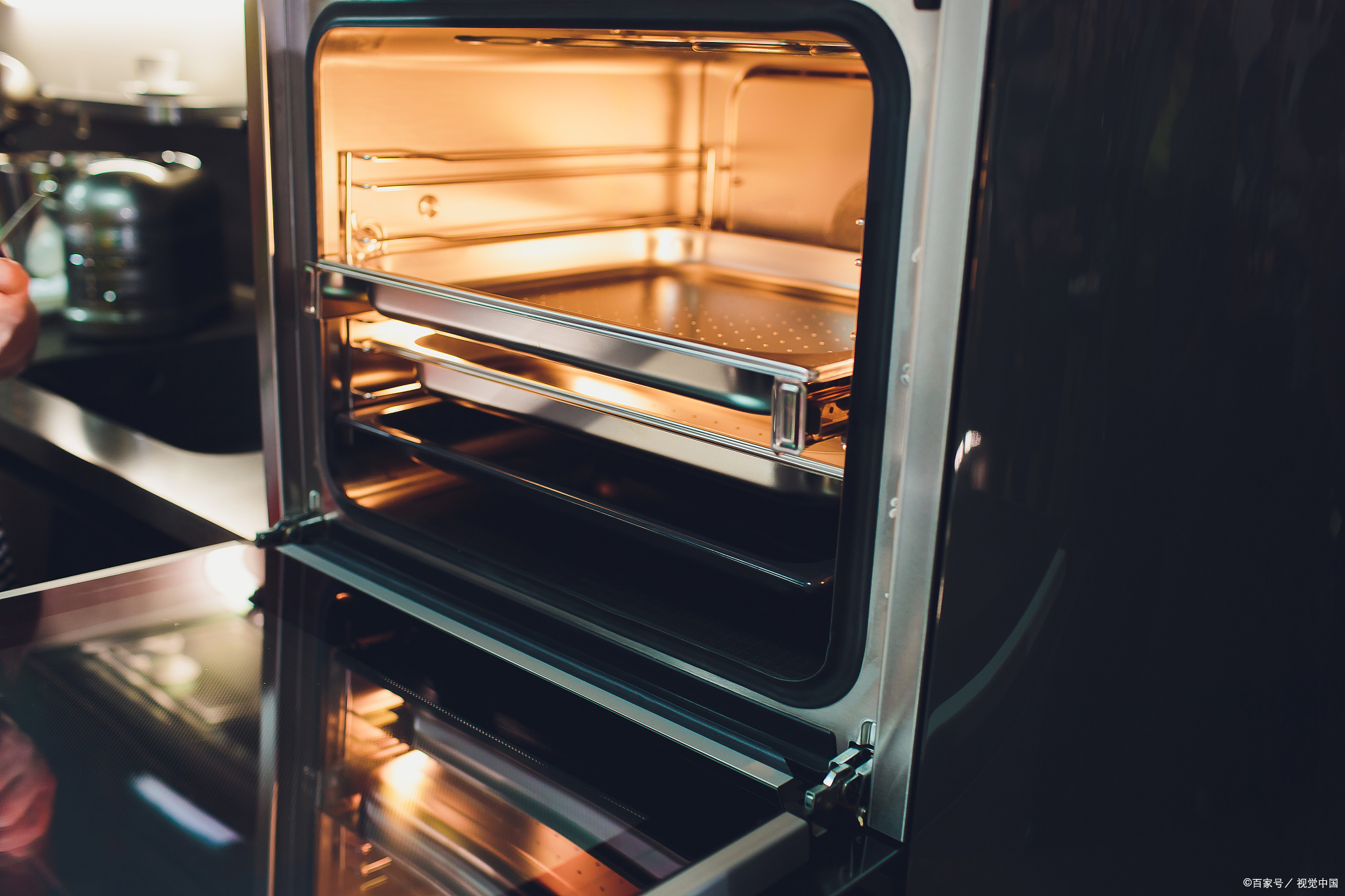
Getting Your Steam Oven to React Instantly
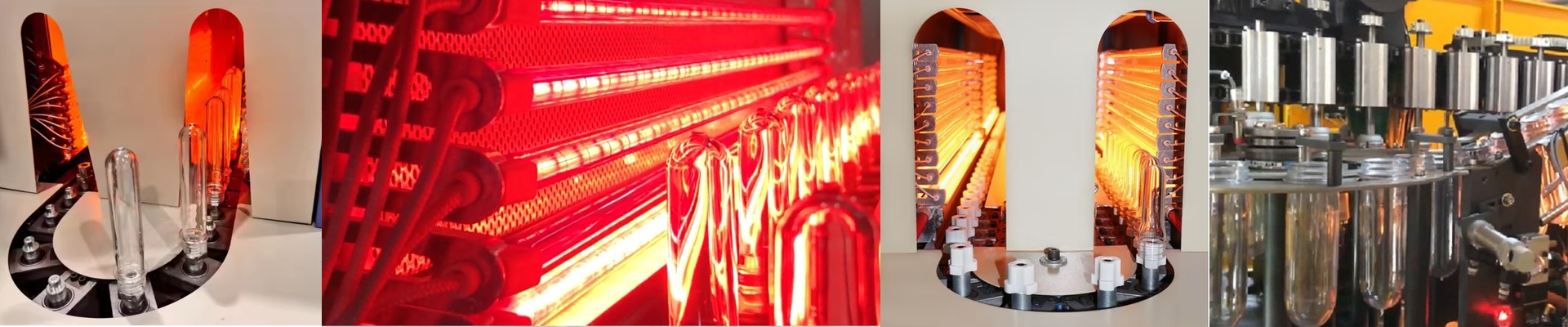
When you’re doing precision cooking in a steam oven, lag is the enemy. You need heat that snaps on and off the second you tell it to. That’s why we use shortwave infrared bulbs. Most heating elements are slow because they have to heat up a big chunk of metal first. Our IR lamps don’t bother with that. They push energy straight to the food using electromagnetic radiation. It’s fast. Really fast. You hit the button, and you’re at your target temp in seconds.
Why these bulbs don’t just burn out
Switching power on and off constantly is brutal on a filament. It’s like bending a paperclip back and forth until it snaps. To stop that from happening, we use a halogen-filled quartz envelope. This creates a little cycle where evaporated tungsten actually moves back onto the filament. It keeps the wire thick and strong, so it doesn’t just thin out and pop during those rapid power cycles. We also keep the “thermal inertia” low. Since the heat goes straight to the food instead of warming up the air first, the response is almost instant. You can use PWM (Pulse Width Modulation) to tweak the power and keep your temperature window tight.
The Hardware Side of Things
We designed these to be drop-in replacements for industrial steam oven arrays. No headaches there. We use standardized connectors because a loose fit is a disaster when you’re pulling high current. You don’t want to see sparks or arcing at the terminals; you just want it to work. The quartz glass is the secret sauce here. It can handle massive heat without melting, and it lets the shortwave IR pass right through. That means more heat actually hits the product.
A Few Things to Watch Out For
Here’s the catch: high-density IR heating is powerful, and it creates some intense hot spots. If you’re squeezing these into a tight oven housing, you’ve got to get your ventilation right. If the air isn’t moving around those lamp sockets, the heat soak will eventually eat through your wiring insulation. Do yourself a favor: check your terminal temperatures during the first 100 hours of use. Just make sure your housing can actually take the beating before you leave it running on its own.