

Getting Your Sidel Matrix Lamps Right (Without the Headache)
Ever swapped out a heating lamp in a Sidel Matrix blower and suddenly everything went sideways? It happens. You put in a new bulb, but the temperature curve shifts just a tiny bit. Maybe the wattage is slightly off or the light spectrum isn’t quite right. Suddenly, you’re dealing with pearlescent defects or, even worse, burst preforms. It’s frustrating. That’s exactly why we built our 380V replacement bulbs. We wanted to kill that variance entirely.
Why 380V Actually Matters
Getting a Sidel SBO lamp right isn’t as simple as just checking the voltage. It’s a delicate balance. You’ve got the filament length, the gas pressure inside the quartz, and that 380V input all working together. We’ve dialed these in to mirror the original thermal footprint. Here’s the thing: a 380V system expects a very specific heat density. We use a precise halogen cycle to stop the filament from evaporating too fast. This means the heat stays steady for the life of the lamp. If the wattage is off, your heating window shifts. And then you’re stuck spending hours tweaking oven settings when you should be producing bottles.
How They’re Built
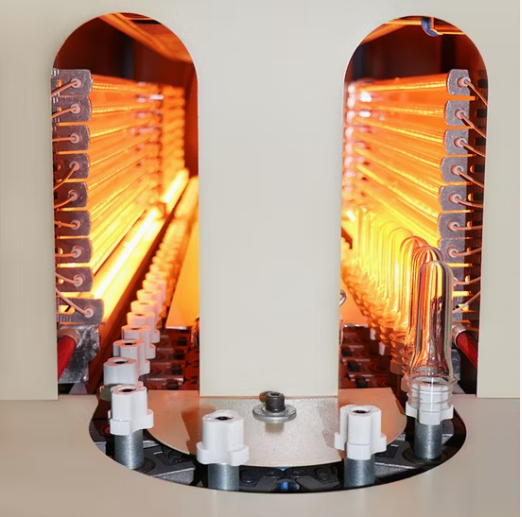
We use high-purity quartz glass because these things take a beating from rapid thermal cycling. The connectors are snug, too. No loose fits, no arcing at the terminals. The best part? You just wire them in. No need to mess around with your existing racks or modify your setup. Since these are shortwave emitters, they dump energy straight into the PET material. They don’t waste time heating up the air around the bottle. It keeps your cycle times fast. Really fast.
A Quick Reality Check
Our lamps will give you the heat profile you need for high-speed blowing, but there’s a catch. High-density infrared lamps put a lot of stress on your reflectors. If your mirrors are pitted or covered in grime, even a perfectly matched lamp isn’t going to hit the target temperature. Keep those reflectors clean. It’s the only way to actually get the full power out of the 380V spec.