


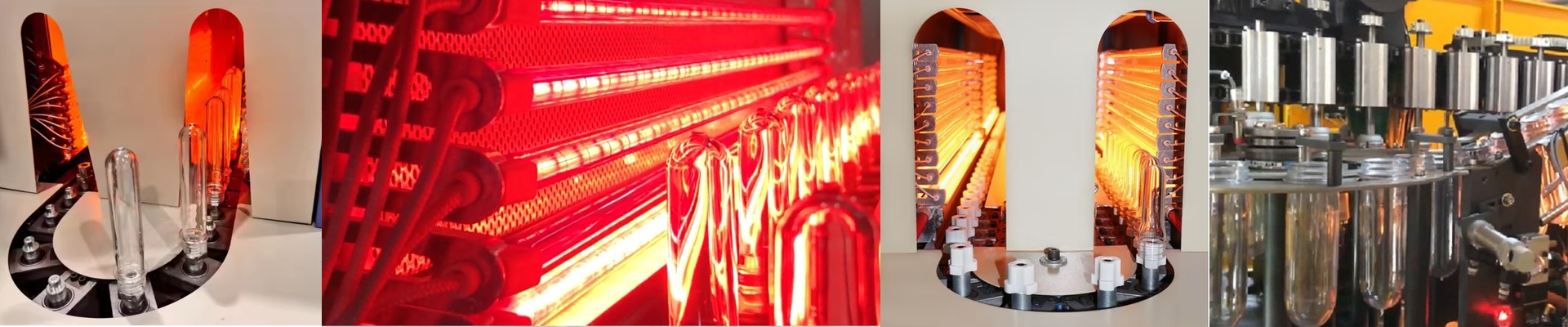

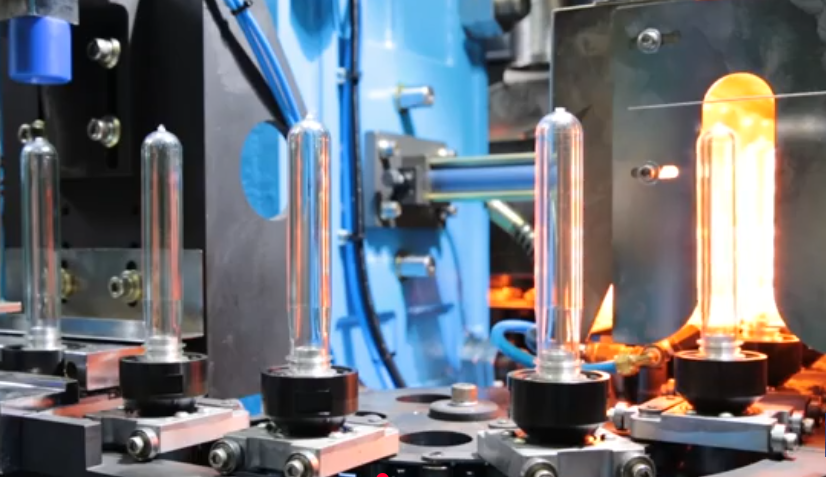
Stop Fighting Temperature Swings in Your SIPA PET Ovens
If you’re running a SIPA rotary machine, you know the headache of inconsistent heating. You see it in the bottles: uneven wall thickness and random failures that drive you crazy. Most of the time, the first instinct is to dive into the PLC settings and start tweaking. But here’s the thing—the problem usually isn’t the software. It’s “power drift.” As lamps age, they stop acting the same. And if the replacement lamps you throw in don’t match the original wattage and voltage exactly? You’re just trading one problem for another. You’ll end up with hot spots in some areas and cold zones in others. The trick is in the matching. We make our lamps to be true drop-in replacements. Why? Because even a tiny 5% difference in wattage messes with the infrared profile. In a high-speed oven, that shift forces the machine to work harder to compensate, which usually just burns out your new tubes faster. We keep the voltage and length exactly where the SIPA footprint needs them. It just makes the heat density uniform across the whole bank. No guessing games. It’s also about the build. We use high-purity quartz glass because these things take a beating from rapid heating and cooling. Depending on your model, you’ll see R7s or SK15 connectors. These aren’t just about fitting into the slot. They’re about a clean, low-resistance connection. When pins are loose or mismatched, they create localized heat right at the socket. If you’ve ever seen a wiring harness melt, this is usually why. A quick word of caution on speed. Using high-wattage shortwave lamps is great if you want to hit your target temperatures faster and crank up your cycle speed. It feels great to see those numbers go up. But there’s a catch. Pushing more power into a tight oven increases the heat load on your electronics. Before you go full throttle, check your cooling fans. Make sure they’re clean and actually moving air. Otherwise, you’ll be dealing with tripped thermal overrides in your control cabinets. Get the specs right, plug them in, and you can finally stop worrying about those heating fluctuations.